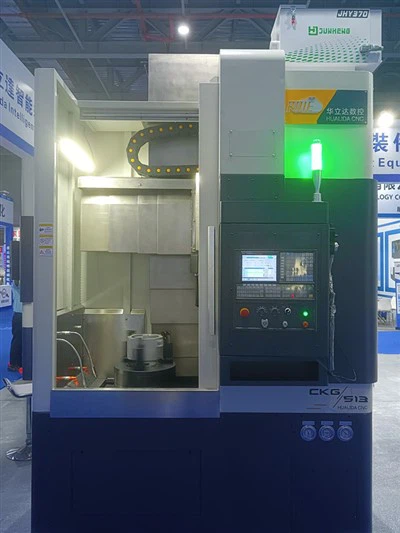
Hey there! As a supplier of Large Cutting Vertical Lathes, I've seen firsthand how crucial it is to maintain these powerful machines properly. A well - maintained Large Cutting Vertical Lathe not only ensures high - quality production but also extends the machine's lifespan, saving you both time and money in the long run. So, let's dive into some practical tips on how to keep your Large Cutting Vertical Lathe in top - notch condition.
Regular Cleaning
The first step in maintaining a Large Cutting Vertical Lathe is regular cleaning. During operation, the lathe accumulates chips, dust, and coolant residues. These contaminants can cause wear and tear on the machine's components if left unattended. Start by cleaning the worktable after each use. Use a brush to remove large chips and then a vacuum cleaner to suck up the smaller debris.
Don't forget about the coolant tank. Over time, the coolant can become contaminated with chips and bacteria, which can affect its performance. Drain the coolant tank periodically, clean it thoroughly, and refill it with fresh coolant. Also, clean the coolant nozzles to ensure proper flow and distribution of the coolant during the cutting process.
The exterior of the lathe should also be cleaned regularly. Wipe down the machine with a clean, dry cloth to remove any dust or oil stains. This not only keeps the machine looking good but also prevents the build - up of contaminants that could potentially damage the paint or other external components.
Lubrication
Proper lubrication is essential for the smooth operation of a Large Cutting Vertical Lathe. Different parts of the machine, such as the lead screws, guide rails, and bearings, require lubrication to reduce friction and prevent premature wear.
Check the lubrication levels regularly. Most lathes have a sight glass or indicator that shows the oil level. If the level is low, refill it with the recommended lubricant. Make sure to use the right type of lubricant specified in the machine's manual. Using the wrong lubricant can cause damage to the components and may void the warranty.
In addition to checking the oil levels, lubricate the moving parts according to the manufacturer's schedule. For example, some parts may need to be lubricated daily, while others may only require lubrication weekly or monthly. Applying lubricant at the right intervals helps to maintain the machine's performance and reduces the risk of breakdowns.
Inspection of Components
Regular inspection of the machine's components is another key aspect of maintenance. Start by checking the cutting tools. Dull or damaged cutting tools can affect the quality of the workpiece and put additional stress on the machine. Inspect the tools for signs of wear, such as chipping or dull edges. Replace any worn - out tools promptly.
The belts and pulleys on the lathe also need to be inspected regularly. Check for signs of wear, such as cracks or fraying. If the belts are loose or damaged, adjust or replace them as needed. Loose belts can cause slippage, which can affect the machine's speed and accuracy.
The electrical components of the lathe should not be overlooked. Inspect the wiring for any signs of damage, such as fraying or exposed wires. Check the switches, relays, and other electrical parts to ensure they are functioning properly. Faulty electrical components can pose a safety hazard and may cause the machine to malfunction.
Alignment and Calibration
Maintaining the proper alignment and calibration of a Large Cutting Vertical Lathe is crucial for accurate machining. Over time, the machine may become misaligned due to normal wear and tear or external factors such as vibrations.
Check the alignment of the worktable and the spindle regularly. Use precision measuring tools, such as dial indicators, to ensure that the components are in the correct position. If misalignment is detected, follow the manufacturer's instructions to make the necessary adjustments.
Calibration of the machine's controls is also important. This includes calibrating the speed control, feed rate control, and other settings. Incorrect calibration can result in inaccurate machining and poor - quality workpieces. Follow the calibration procedures outlined in the machine's manual to ensure that the controls are set correctly.


Operator Training
Proper operator training is often overlooked but is an essential part of maintaining a Large Cutting Vertical Lathe. Well - trained operators are more likely to use the machine correctly, which can prevent unnecessary wear and tear.
Provide comprehensive training to all operators on how to operate the lathe safely and efficiently. This should include training on basic machine functions, tool changing, and maintenance procedures. Encourage operators to report any issues or abnormalities they notice during operation immediately.
Operators should also be trained on the importance of following the manufacturer's guidelines for maintenance. For example, they should know when to perform regular cleaning, lubrication, and inspections. By involving operators in the maintenance process, you can ensure that the machine is well - cared for on a daily basis.
Record - Keeping
Keeping detailed records of the maintenance activities is a great way to track the machine's performance and identify any potential issues. Create a maintenance log where you record the date of each maintenance task, the type of task performed, and any observations or issues noted.
This record - keeping can help you identify patterns of wear and tear or recurring problems. For example, if you notice that a particular component needs to be replaced more frequently than expected, you can investigate the cause and take steps to prevent future issues. It also provides valuable information for warranty claims and can help you demonstrate that the machine has been properly maintained.
Storage and Environmental Considerations
If the Large Cutting Vertical Lathe is not going to be used for an extended period, proper storage is important. Store the machine in a clean, dry environment to prevent rust and corrosion. Cover the machine with a protective cover to keep dust and debris away.
The environment in which the lathe operates also matters. Avoid exposing the machine to extreme temperatures, humidity, or dust. These conditions can affect the performance and lifespan of the machine. If necessary, install environmental control systems, such as air conditioners or dehumidifiers, to maintain a stable operating environment.
Troubleshooting
Even with proper maintenance, issues may still arise with the Large Cutting Vertical Lathe. Knowing how to troubleshoot common problems can save you time and money. Some common issues include abnormal noises, vibration, and inaccurate machining.
If you hear abnormal noises coming from the machine, stop the operation immediately. Check for loose components, worn - out bearings, or other mechanical issues. Vibration can be caused by misaligned components, unbalanced cutting tools, or worn - out belts. Inaccurate machining may be due to incorrect calibration, dull cutting tools, or problems with the control system.
Refer to the machine's manual for troubleshooting guides. Most manuals provide step - by - step instructions on how to diagnose and fix common problems. If you're unable to resolve the issue on your own, contact a professional technician for assistance.
Conclusion
Maintaining a Large Cutting Vertical Lathe is a multi - faceted task that requires regular cleaning, lubrication, inspection, alignment, and calibration. By following these tips and involving your operators in the maintenance process, you can keep your machine running smoothly and efficiently for years to come.
If you're in the market for a new Large Cutting Vertical Lathe or need more information on maintenance, don't hesitate to reach out. We're here to help you make the best decisions for your machining needs. Whether you're looking for a Vertical Lathe Machine or a Heavy Cutting Vertical Lathe, we've got you covered. Contact us today to start a conversation about your requirements and let's work together to find the perfect solution for your business.
References
- Manufacturer's manual of Large Cutting Vertical Lathe
- Industry best practices for vertical lathe maintenance