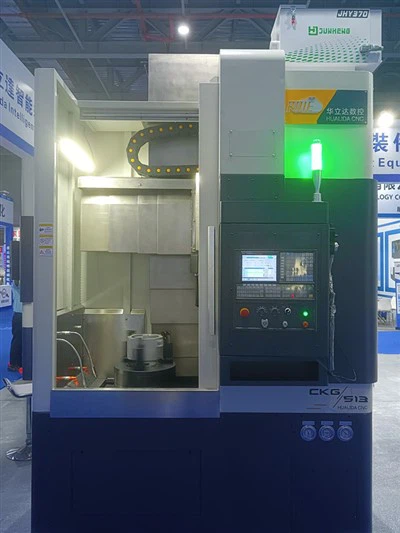
As a heavy vertical lathe supplier, I often get asked about how to measure the straightness of a heavy vertical lathe's guide rails. It's a crucial aspect of ensuring the lathe operates at its best, and in this blog, I'll share some practical methods and insights.
Why Measuring Guide Rail Straightness Matters
First off, let's talk about why measuring the straightness of guide rails is so important. The guide rails on a heavy vertical lathe play a key role in guiding the movement of various components, like the tool post and the workpiece. If the guide rails aren't straight, it can lead to all sorts of problems. For example, it can cause uneven wear on the cutting tools, reduce the accuracy of the machining, and even affect the overall stability of the lathe. In short, proper straightness measurement is essential for high - quality machining and the long - term performance of the lathe.
Methods for Measuring Guide Rail Straightness
1. Using a Straightedge
One of the simplest and most common methods is using a straightedge. A straightedge is a long, flat bar with a very straight edge. You can place the straightedge along the guide rail and use a feeler gauge to measure the gap between the straightedge and the guide rail at different points.
To do this, first, make sure the guide rail is clean and free of any debris. Then, carefully position the straightedge on the guide rail. Use a feeler gauge to check the gap at several intervals, say every 100 mm or so. Record these measurements. If the gap is within an acceptable tolerance (which is usually specified by the lathe manufacturer), then the straightness is good. If the gap is too large, it indicates that the guide rail may be out of straight.
This method is relatively easy and doesn't require a lot of expensive equipment. However, it's important to note that the accuracy of this method depends on the quality of the straightedge and the skill of the person taking the measurements.
2. Laser Alignment System
A more advanced method is using a laser alignment system. This system works by emitting a laser beam along the guide rail. The laser beam creates a straight reference line, and sensors placed along the guide rail can detect any deviations from this line.
The advantage of a laser alignment system is its high accuracy. It can detect very small deviations in the straightness of the guide rail, which is especially important for heavy vertical lathes that require high - precision machining. It's also relatively quick to set up and use, compared to some other methods.
However, laser alignment systems can be quite expensive. But if you're a professional heavy vertical lathe user or a supplier like me, the investment can be well worth it in the long run, as it can save a lot of time and money by preventing machining errors.
3. Optical Flat and Autocollimator
Another method is using an optical flat and an autocollimator. An optical flat is a highly polished flat surface, and an autocollimator is an instrument that can measure small angles.
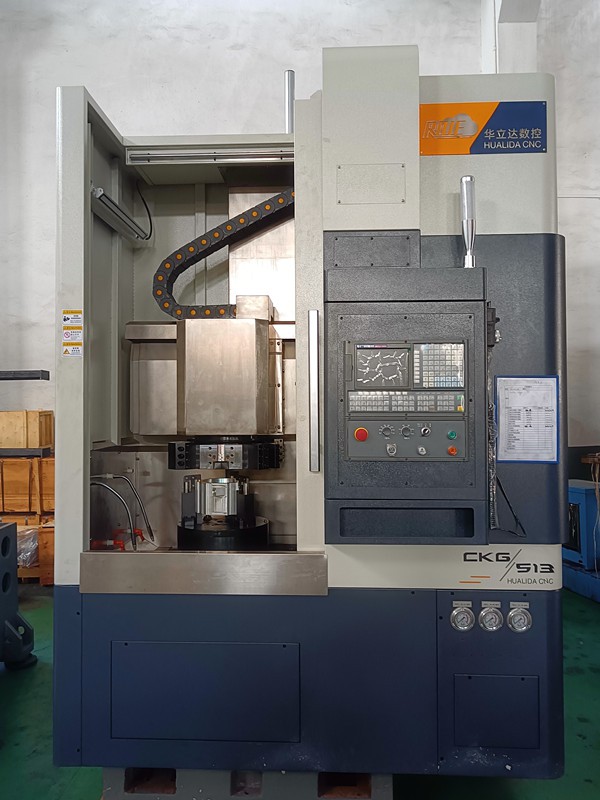

You place the optical flat on the guide rail, and then use the autocollimator to measure the angle of the reflected light from the optical flat. By moving the optical flat along the guide rail and taking multiple measurements, you can determine the straightness of the guide rail.
This method is very accurate and is often used in high - precision applications. But it requires some skill to operate the equipment correctly, and the equipment itself can be quite costly.
Factors Affecting Guide Rail Straightness
There are several factors that can affect the straightness of a heavy vertical lathe's guide rails. One of the main factors is wear and tear. Over time, the constant movement of the components on the guide rails can cause them to wear down, which can lead to a loss of straightness.
Another factor is the environment in which the lathe operates. If the lathe is in a place with high humidity or temperature changes, it can cause the guide rails to expand or contract, affecting their straightness. Also, improper installation or maintenance of the lathe can lead to problems with the guide rail straightness.
Importance of Regular Maintenance
Regular maintenance is crucial for maintaining the straightness of the guide rails. This includes cleaning the guide rails regularly to prevent the build - up of debris, lubricating them properly to reduce wear, and checking their straightness periodically using one of the methods mentioned above.
If you find that the guide rails are out of straight, it's important to take corrective action as soon as possible. This may involve grinding or re - machining the guide rails, or in some cases, replacing them.
Our Heavy Vertical Lathe Offerings
At our company, we offer a range of heavy vertical lathes, including Hard Rail Vertical Lathe, Heavy Cutting and Vertical Lathe, and Heavy Cutting Vertical Lathe. Our lathes are designed with high - quality guide rails and advanced manufacturing techniques to ensure optimal straightness and performance.
We understand the importance of guide rail straightness for our customers, and we're committed to providing the best products and support. If you're in the market for a heavy vertical lathe or need help with measuring and maintaining the straightness of your existing lathe's guide rails, don't hesitate to contact us. We're here to assist you with all your heavy vertical lathe needs. Whether you're a small - scale workshop or a large - scale manufacturing plant, we have the right solution for you.
Conclusion
Measuring the straightness of a heavy vertical lathe's guide rails is an important part of ensuring the lathe's performance and longevity. There are several methods available, each with its own advantages and disadvantages. By understanding these methods and the factors that affect guide rail straightness, and by performing regular maintenance, you can keep your lathe in top condition.
If you're interested in learning more about our heavy vertical lathes or need advice on guide rail straightness measurement, contact us for a consultation. We're always happy to help you make the best decision for your machining needs.
References
- "Machine Tool Metrology" by John R. Taylor
- "Precision Machine Design" by Wayne R. Moore