Hey there! As a high-speed vertical lathe supplier, I often get asked a bunch of questions about our machines. One question that pops up quite a lot is, "Can a high-speed vertical lathe be used for multi-pass turning?" Well, let's dive right into this topic and find out.
First off, let's talk about what multi-pass turning is. Multi-pass turning is a machining process where a workpiece is cut in multiple passes rather than just one. This approach is really useful when you've got a lot of material to remove, or when you need a super-precise finish on the workpiece. During the first pass, a larger amount of material can be removed quickly. Then, subsequent passes fine-tune the shape and surface finish. This method helps to reduce cutting forces, prevent tool wear, and achieve higher accuracy.
Now, let's get to the main point: can a high-speed vertical lathe handle multi-pass turning? The answer is a big yes! High-speed vertical lathes are designed with features that make them well-suited for multi-pass turning operations.
One of the key advantages of a high-speed vertical lathe is its high spindle speed. With a high spindle speed, the lathe can rotate the workpiece at a rapid pace. This means that during each pass of the cutting tool, the tool moves across the workpiece quickly, allowing for efficient material removal. For instance, if you're working on a large-diameter workpiece, the high spindle speed ensures that the cutting tool can make contact with the material at a high rate, speeding up the overall multi-pass turning process.
Another important feature is the rigidity of the high-speed vertical lathe. These lathes are built to be sturdy and stable. When performing multi-pass turning, especially when removing a significant amount of material in the initial passes, there are substantial cutting forces at play. A rigid lathe can withstand these forces without vibrating or deflecting, which is crucial for maintaining the accuracy and precision of the machining process. If the lathe isn't rigid enough, it could lead to uneven cuts, poor surface finish, and even damage to the cutting tool.
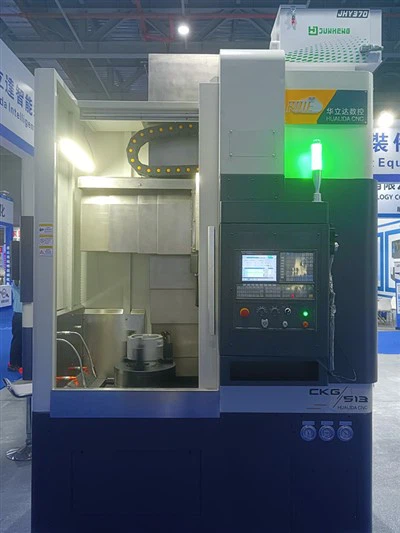
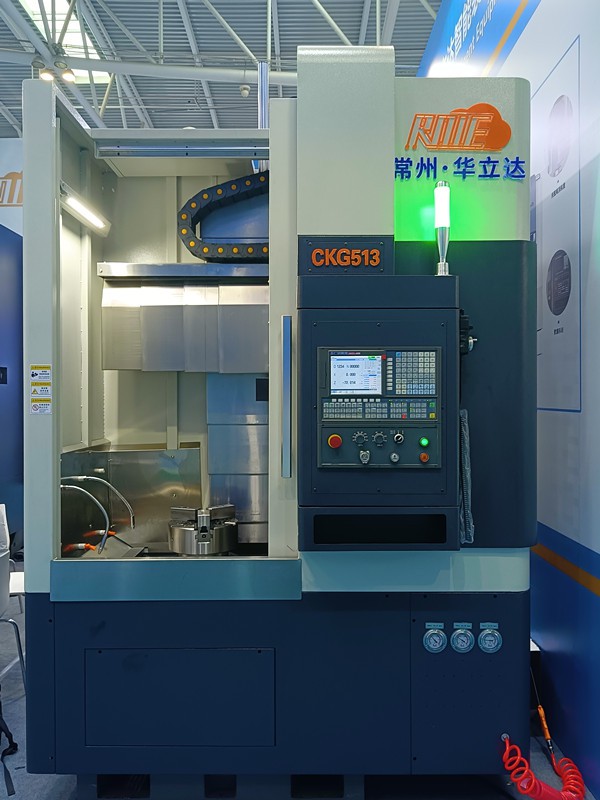
Let's take a look at some of the specific models of high-speed vertical lathes that we offer. We've got the CKG513 CNC Vertical Turning Lathe. This machine is a great choice for multi-pass turning. It has a powerful spindle motor that can achieve high rotational speeds, and its robust construction provides excellent rigidity. Whether you're working on small to medium-sized workpieces, this lathe can handle the multi-pass turning process with ease.
Then there's the CNC Vertical Turning Lathe Machine. This is a versatile machine that comes with advanced control systems. The CNC (Computer Numerical Control) technology allows for precise programming of the cutting paths for each pass. You can set different feed rates, depths of cut, and spindle speeds for different passes, ensuring optimal performance and high-quality results in multi-pass turning operations.
And we also have the CKG515 CNC Vertical Turning Lathe. It's a larger and more powerful machine, suitable for handling larger workpieces. With a higher torque spindle and enhanced rigidity, the CKG515 can take on heavy-duty multi-pass turning tasks. It can handle deep cuts in the initial passes and then perform fine finishing passes to achieve the desired surface quality.
When it comes to multi-pass turning on a high-speed vertical lathe, there are a few things to keep in mind. First, you need to select the right cutting tools. Different materials and cutting requirements call for different types of tools. For example, carbide cutting tools are often a good choice for their durability and ability to withstand high cutting speeds. You also need to determine the appropriate cutting parameters for each pass, such as the depth of cut, feed rate, and spindle speed. These parameters can have a significant impact on the efficiency and quality of the multi-pass turning process.
In addition, proper tool maintenance is crucial. Since multi-pass turning involves multiple contacts between the tool and the workpiece, the cutting tool can wear out over time. Regularly inspecting and sharpening or replacing the tools will ensure consistent cutting performance and high-quality results.
Furthermore, coolant plays an important role. Using coolant during multi-pass turning helps to reduce heat generated by the cutting process, which can extend the life of the cutting tool and improve the surface finish of the workpiece. It also helps to flush away the chips produced during cutting, preventing them from interfering with the machining process.
To sum it up, high-speed vertical lathes are definitely capable of performing multi-pass turning. Their high spindle speeds, rigidity, and advanced control systems make them ideal for this type of machining operation. Whether you're in the automotive, aerospace, or general manufacturing industry, our high-speed vertical lathes can meet your multi-pass turning needs.

If you're interested in learning more about our high-speed vertical lathes or have any questions about multi-pass turning, don't hesitate to reach out. We're here to help you find the right machine for your specific requirements and guide you through the purchasing process. Let's start a conversation and see how we can work together to improve your machining operations.
References
- Machining Handbook: A comprehensive guide to machining processes and techniques.
- Lathe Manufacturer's Manuals: Information on the features and capabilities of high-speed vertical lathes.