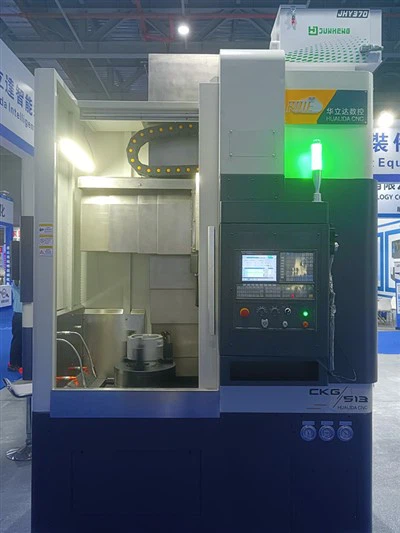
As a supplier of Heavy Vertical Lathes, I understand the critical role that optimizing the cutting path plays in enhancing the efficiency and quality of machining operations. In this blog post, I will share some insights and strategies on how to optimize the cutting path on a heavy vertical lathe.
Understanding the Basics of Cutting Path Optimization
Before delving into the specific techniques, it's essential to understand the fundamental principles of cutting path optimization. The primary goal is to minimize the time and energy required to complete a machining operation while maintaining the desired level of precision and surface finish. This involves carefully planning the sequence of cuts, selecting the appropriate cutting tools, and adjusting the cutting parameters.
Analyzing the Workpiece and Machining Requirements
The first step in optimizing the cutting path is to thoroughly analyze the workpiece and the machining requirements. This includes understanding the material properties, dimensions, and complexity of the workpiece, as well as the specific features that need to be machined. By having a clear understanding of these factors, you can develop a cutting path that is tailored to the unique requirements of the job.
Selecting the Right Cutting Tools
The choice of cutting tools is crucial for optimizing the cutting path. Different cutting tools are designed for specific materials and machining operations, and selecting the right tool can significantly improve the efficiency and quality of the cutting process. When choosing cutting tools, consider factors such as the material of the workpiece, the type of cut (e.g., roughing, finishing), and the desired surface finish.
Planning the Cutting Sequence
Once you have selected the appropriate cutting tools, the next step is to plan the cutting sequence. This involves determining the order in which the cuts will be made and the direction of the cutting motion. A well-planned cutting sequence can minimize the number of tool changes, reduce the machining time, and improve the overall efficiency of the process.
Optimizing the Cutting Parameters
In addition to planning the cutting sequence, optimizing the cutting parameters is also essential for achieving the best results. Cutting parameters such as cutting speed, feed rate, and depth of cut can have a significant impact on the cutting performance and the quality of the machined surface. By adjusting these parameters based on the material of the workpiece, the type of cutting tool, and the machining requirements, you can optimize the cutting process and improve the efficiency and quality of the machining operation.
Using Advanced Software and Technology
In today's digital age, advanced software and technology can play a crucial role in optimizing the cutting path on a heavy vertical lathe. Computer-aided manufacturing (CAM) software can be used to generate optimized cutting paths based on the workpiece geometry and the machining requirements. These software tools can also simulate the cutting process, allowing you to visualize the results and make adjustments before actually machining the workpiece.
Implementing Continuous Improvement
Optimizing the cutting path is an ongoing process that requires continuous improvement. By monitoring the machining process, collecting data, and analyzing the results, you can identify areas for improvement and implement changes to optimize the cutting path further. This can involve adjusting the cutting parameters, changing the cutting sequence, or using different cutting tools.


Benefits of Optimizing the Cutting Path
Optimizing the cutting path on a heavy vertical lathe offers several benefits, including:
- Improved Efficiency: By minimizing the machining time and reducing the number of tool changes, optimizing the cutting path can significantly improve the efficiency of the machining operation.
- Enhanced Quality: A well-optimized cutting path can result in a better surface finish and higher dimensional accuracy, improving the overall quality of the machined part.
- Reduced Costs: By reducing the machining time and improving the efficiency of the process, optimizing the cutting path can help reduce the production costs and increase the profitability of the manufacturing operation.
Conclusion
Optimizing the cutting path on a heavy vertical lathe is a critical aspect of achieving the best results in machining operations. By understanding the basics of cutting path optimization, selecting the right cutting tools, planning the cutting sequence, optimizing the cutting parameters, using advanced software and technology, and implementing continuous improvement, you can improve the efficiency, quality, and profitability of your machining operations.
If you are interested in learning more about optimizing the cutting path on a heavy vertical lathe or if you are looking for a reliable supplier of Heavy Vertical Lathe, Vertical Lathe Machine, or Heavy Cutting Vertical Lathe, please feel free to contact us. We are a leading supplier of heavy vertical lathes and other machining equipment, and we are committed to providing our customers with the highest quality products and services.
References
- Smith, J. (2019). CNC Machining Handbook. Industrial Press.
- Jones, R. (2020). Cutting Tool Technology. McGraw-Hill Education.
- Brown, A. (2021). Advanced Manufacturing Technologies. Wiley.