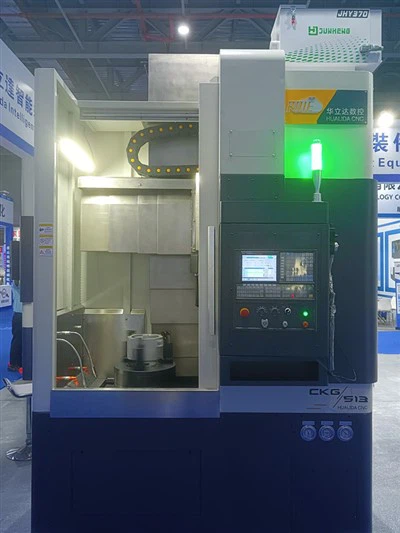
Hey there! As a supplier of CNC Vertical Turning Lathes, I often get asked about the installation process of these machines. So, I thought I'd share a detailed breakdown of how we go about installing a CNC vertical turning lathe. It's a crucial step to ensure that the machine runs smoothly and efficiently, so let's dive right in.

Pre - installation Preparations
Before we even start unpacking the lathe, there are a few things we need to take care of. First off, we need to pick the right location for the machine. The floor has to be flat and able to support the weight of the lathe. We usually recommend a floor with a specific load - bearing capacity. You don't want the machine to sink or tilt, which could mess up its performance.
Next, we check the power supply. The CNC vertical turning lathe requires a stable and appropriate power source. We make sure the voltage, frequency, and phase are all in line with the machine's specifications. Any fluctuations in power can cause issues with the control system and even damage the components.
We also need to clear the area around where the lathe will be installed. There should be enough space for operators to move around comfortably, as well as for maintenance and access to all parts of the machine. It's important to have a clean and clutter - free environment to prevent any accidents during the installation and operation.
Unpacking and Inspection
Once we've got the location sorted, it's time to unpack the lathe. We handle the unpacking process carefully, following the instructions provided in the manual. As we unpack, we inspect each part for any visible damage that might have occurred during shipping. If we find any damaged parts, we document them right away and contact our shipping and quality control teams to sort it out.
We check all the components, from the main body of the lathe to the smaller accessories like tools and control panels. This inspection is crucial because it allows us to address any problems before we start the actual installation.
Assembly of the Lathe
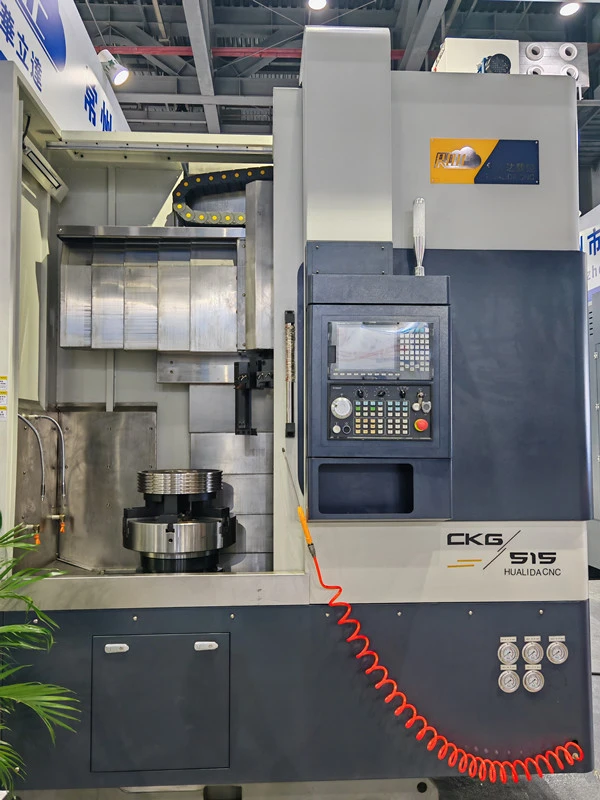
The assembly process is where things start to get really interesting. First, we assemble the base of the CNC vertical turning lathe. This is the foundation of the machine, so it has to be installed correctly. We use precision tools to level the base and make sure it's perfectly aligned. Any misalignment at this stage can lead to problems with the accuracy of the machining later on.
After the base is in place, we attach the column and the cross - slide. These components are responsible for the movement of the cutting tool in different directions. We use high - strength bolts and follow the torque specifications to ensure a secure connection.
Once the main structural parts are assembled, we install the spindle. The spindle is the heart of the lathe, and it has to be installed with extreme precision. We align it carefully with the other components to ensure smooth rotation and accurate machining.
Electrical and Control System Installation
The electrical and control system is what makes the CNC vertical turning lathe smart and efficient. We start by laying out the electrical cables according to the wiring diagram. We make sure all the connections are tight and secure to prevent any electrical shorts or malfunctions.
We install the control panel, which is the operator's interface with the machine. This panel allows operators to input commands, set machining parameters, and monitor the machine's performance. We connect it to the main control unit and test all the functions to make sure everything is working as it should.
Lubrication and Hydraulic System Installation
Lubrication is essential for the smooth operation of the lathe. We install the lubrication system, which includes oil pumps, filters, and pipes. We fill the lubrication reservoirs with the recommended type of oil and check for any leaks in the system.
The hydraulic system, if the lathe is equipped with one, is also installed at this stage. The hydraulic system is responsible for functions like clamping workpieces and controlling the movement of certain components. We connect all the hydraulic hoses and valves and test the system for proper pressure and operation.
Testing and Calibration
After the installation is complete, it's time for testing and calibration. We start with a dry run of the machine, where we power it on and check all the movements and functions without any workpieces. We make sure the spindle rotates smoothly, the cross - slide and column move accurately, and the control system responds correctly to commands.
We then perform calibration procedures to ensure the accuracy of the lathe. This includes checking the positioning accuracy of the cutting tool, the spindle speed, and the feed rate. We use precision measuring instruments to make any necessary adjustments.
Training for Operators
Once the testing and calibration are successful, we provide training for the operators. We go over the basic operation of the CNC vertical turning lathe, including how to load and unload workpieces, set machining parameters, and use the control panel. We also cover safety procedures and maintenance tips to ensure the long - term performance of the machine.
Our Product Range
We offer a variety of CNC vertical turning lathes to meet different customer needs. For example, the CKG513 CNC Vertical Lathe is a great option for smaller - scale machining operations. It's compact, yet powerful, and easy to operate.
If you need a more heavy - duty machine, the CKG516 CNC Vertical Turning Lathe might be the right choice for you. It can handle larger workpieces and has more advanced features.
You can explore our full range of CNC Vertical Turning Lathe products on our website to find the one that suits your requirements.
Contact Us for Purchase
If you're interested in purchasing a CNC vertical turning lathe, don't hesitate to get in touch with us. Our team of experts is ready to assist you with any questions you might have about the installation process, the product features, or the pricing. We're committed to providing high - quality machines and excellent customer service. Whether you're a small - scale workshop or a large - scale manufacturing plant, we have the right solution for you.
References
- CNC Machine Installation Manuals
- Industry Standards for Machine Tool Installation
- Technical Documents on CNC Vertical Turning Lathes