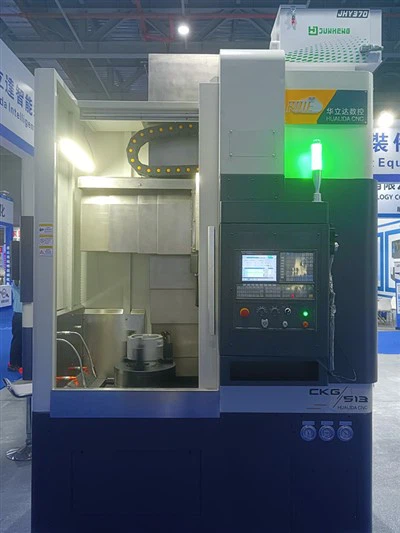
Optimizing the grinding process on a CNC vertical grinding machine is crucial for enhancing productivity, improving workpiece quality, and reducing costs. As a supplier of CNC vertical grinding machines, I have witnessed firsthand the transformative impact that a well - optimized grinding process can have on manufacturing operations. In this blog, I will share some practical tips and strategies to help you achieve optimal results on your CNC vertical grinding machine.
Understanding the Basics of CNC Vertical Grinding
Before delving into optimization techniques, it's essential to have a solid understanding of how a CNC vertical grinding machine works. A CNC vertical grinding machine is a precision tool used for grinding the surfaces of workpieces. It features a vertically oriented grinding wheel that rotates at high speeds to remove material from the workpiece. The machine is controlled by a computer numerical control (CNC) system, which allows for precise control of the grinding process, including the movement of the grinding wheel and the workpiece.
Selecting the Right Grinding Wheel
The choice of grinding wheel is one of the most critical factors in optimizing the grinding process. The grinding wheel should be selected based on the material of the workpiece, the desired surface finish, and the grinding operation. For example, if you are grinding a hard material such as stainless steel, you may need a grinding wheel with a high - hardness abrasive, such as cubic boron nitride (CBN). On the other hand, if you are looking for a fine surface finish on a softer material, a silicon carbide wheel may be more appropriate.
When selecting a grinding wheel, also consider the wheel's grade and structure. The grade refers to the strength with which the abrasive grains are held in the bond, while the structure refers to the spacing between the abrasive grains. A harder grade is suitable for heavy - duty grinding operations, while a softer grade is better for light - duty grinding and achieving a fine surface finish. A more open structure is beneficial for grinding materials that generate a lot of heat, as it allows for better chip clearance.
Optimizing Grinding Parameters
Grinding parameters such as cutting speed, feed rate, and depth of cut play a significant role in the efficiency and quality of the grinding process.
- Cutting Speed: The cutting speed is the speed at which the grinding wheel contacts the workpiece. It is determined by the diameter of the grinding wheel and its rotational speed. A higher cutting speed generally results in a faster material removal rate, but it can also increase the risk of heat generation and wheel wear. You need to find the optimal cutting speed for your specific application to balance material removal rate and surface finish.
- Feed Rate: The feed rate is the speed at which the workpiece moves relative to the grinding wheel. A higher feed rate can increase productivity, but it may also lead to a poorer surface finish and increased grinding forces. You should adjust the feed rate based on the type of grinding operation, the material of the workpiece, and the desired surface quality.
- Depth of Cut: The depth of cut is the amount of material removed from the workpiece in each pass of the grinding wheel. A larger depth of cut can reduce the number of passes required, but it can also increase the grinding forces and the risk of workpiece damage. It is important to select an appropriate depth of cut to ensure efficient material removal without compromising the quality of the workpiece.
Workpiece Holding and Fixturing
Proper workpiece holding and fixturing are essential for achieving accurate and consistent grinding results. The workpiece should be securely held in place to prevent movement during the grinding process. This can be achieved using various types of fixtures, such as vises, chucks, or magnetic chucks.
When designing the fixture, consider the shape and size of the workpiece, as well as the grinding operation. The fixture should provide sufficient support to the workpiece to minimize deflection and vibration. Additionally, it should allow for easy loading and unloading of the workpiece to improve productivity.
Coolant and Lubrication
Coolant and lubrication are crucial for reducing heat generation, improving surface finish, and extending the life of the grinding wheel. A coolant helps to dissipate the heat generated during the grinding process, preventing thermal damage to the workpiece and the grinding wheel. It also helps to flush away the chips from the grinding zone, reducing the risk of chip clogging and improving the grinding efficiency.
There are different types of coolants available, including water - based coolants, oil - based coolants, and synthetic coolants. The choice of coolant depends on the material of the workpiece, the grinding operation, and environmental considerations. You should also ensure that the coolant is applied at the right flow rate and pressure to achieve optimal results.
Toolpath Optimization
In a CNC vertical grinding machine, the toolpath determines the movement of the grinding wheel relative to the workpiece. Optimizing the toolpath can significantly improve the efficiency and quality of the grinding process.
- Continuous Path Grinding: Using a continuous path grinding strategy can reduce the number of stops and starts of the grinding wheel, which can improve the surface finish and reduce the cycle time.
- Adaptive Toolpath: An adaptive toolpath adjusts the grinding parameters based on the actual conditions of the workpiece, such as its shape, hardness, and material properties. This can help to optimize the grinding process and achieve more consistent results.
Machine Maintenance and Calibration
Regular machine maintenance and calibration are essential for ensuring the optimal performance of the CNC vertical grinding machine. A well - maintained machine will have better accuracy, repeatability, and reliability.
- Maintenance: This includes cleaning the machine regularly, checking and replacing worn - out parts, and lubricating the moving components. You should follow the manufacturer's maintenance schedule to ensure that the machine is in good working condition.
- Calibration: Calibrating the machine regularly is crucial for maintaining its accuracy. This involves checking and adjusting the position, speed, and movement of the grinding wheel and the workpiece. You can use precision measuring tools to perform the calibration.
Integration with Other Processes
In some manufacturing operations, it may be beneficial to integrate the CNC vertical grinding process with other machining processes. For example, you can use a Turning and Grinding Compound Machine Tools to perform both turning and grinding operations on the same machine. This can reduce the setup time, improve the accuracy of the workpiece, and increase the overall productivity of the manufacturing process.
Another option is to use a Fixed Beam CNC Vertical Milling Machine in combination with the grinding machine. The milling machine can be used to perform rough machining operations, while the grinding machine can be used for finishing operations. This can optimize the use of each machine and improve the overall efficiency of the manufacturing process.
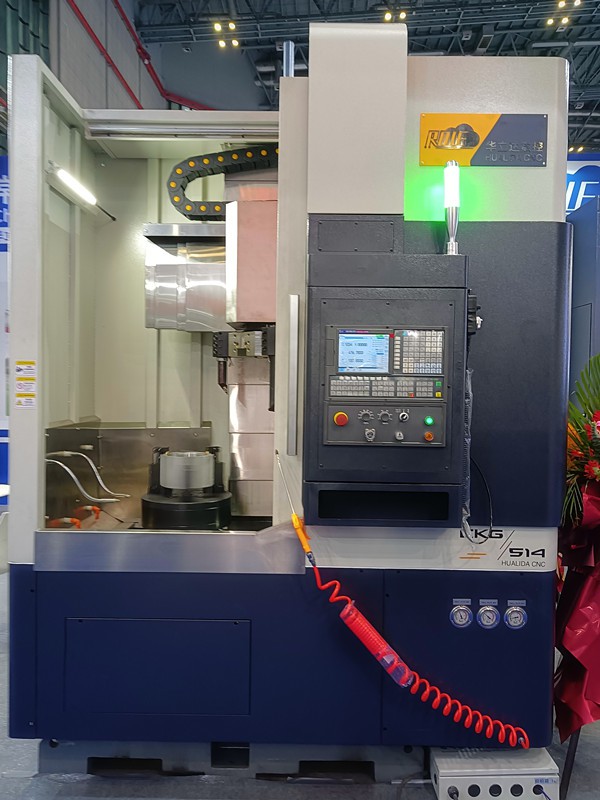

The CNC Vertical Grinding Compound Machine also offers the advantage of integrating multiple grinding operations into one machine, which can further streamline the manufacturing process.
Conclusion
Optimizing the grinding process on a CNC vertical grinding machine requires a comprehensive approach that takes into account various factors, including the selection of the right grinding wheel, the optimization of grinding parameters, proper workpiece holding, the use of coolant and lubrication, toolpath optimization, machine maintenance, and integration with other processes.
If you are looking to enhance the performance of your CNC vertical grinding operations, I encourage you to reach out for a consultation. Our team of experts can provide you with customized solutions based on your specific needs and requirements. Whether you are a small - scale manufacturer or a large - scale production facility, we can help you optimize your grinding process and achieve better results. Contact us today to start the procurement and negotiation process and take your manufacturing operations to the next level.
References
- Boothroyd, G., & Knight, W. A. (2006). Fundamentals of machining and machine tools. CRC Press.
- Trent, E. M., & Wright, P. K. (2000). Metal cutting. Butterworth - Heinemann.
- Kalpakjian, S., & Schmid, S. R. (2013). Manufacturing engineering and technology. Pearson.