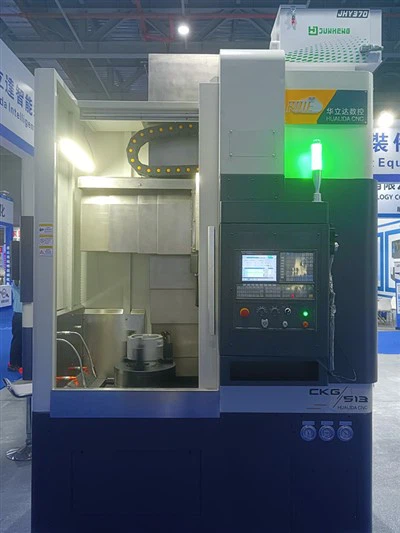
Hey there! As a supplier of Vertical CNC Lathes, I've seen firsthand how crucial it is to keep the ball screws in tip - top shape. Ball screws are like the unsung heroes of a vertical CNC lathe. They're responsible for converting rotary motion into linear motion with high precision, which is super important for accurate machining. So, let's dive into how you can perform maintenance on these vital components.
Regular Cleaning
The first step in ball screw maintenance is regular cleaning. Over time, chips, dust, and coolant can accumulate on the ball screws, which can cause premature wear and tear. To clean the ball screws, you'll need a soft brush and a suitable cleaning solvent.
Start by powering off the vertical CNC lathe and making sure it's completely safe to work on. Then, gently remove any large chips or debris from the ball screw using the soft brush. Be careful not to scratch the surface of the screw. After that, apply the cleaning solvent to the brush and carefully clean the entire length of the ball screw. Make sure to get into all the nooks and crannies where dirt can hide.
Once you've finished cleaning, use a clean, dry cloth to wipe off the solvent and any remaining debris. This simple cleaning process can significantly extend the life of the ball screws.
Lubrication
Lubrication is another key aspect of ball screw maintenance. Proper lubrication reduces friction between the balls and the screw, which not only improves the performance of the lathe but also helps prevent corrosion.
There are different types of lubricants available, such as grease and oil. When choosing a lubricant, make sure it's compatible with the materials used in the ball screw and the operating conditions of your vertical CNC lathe.
For grease lubrication, you'll typically need to use a grease gun. First, follow the manufacturer's instructions to access the grease fittings on the ball screw. Then, slowly pump the grease into the fittings until you see a small amount of fresh grease coming out. This indicates that the old grease has been pushed out and replaced with new lubricant.
If you're using oil lubrication, you'll need to have an oil - delivery system in place. Some vertical CNC lathes come with built - in oil - lubrication systems, which automatically deliver a controlled amount of oil to the ball screws at regular intervals. Make sure to check the oil level regularly and refill it as needed.
Inspection
Regular inspection is essential to catch any potential problems with the ball screws before they turn into major issues. You should perform a visual inspection at least once a month, but more frequent inspections may be necessary if your lathe is used in a high - production environment.
During the visual inspection, look for signs of wear, such as pitting, scoring, or corrosion on the surface of the ball screw. Check the balls themselves for any signs of damage or excessive wear. You should also inspect the nut and the ball - return system for any signs of damage or blockages.
In addition to the visual inspection, you can use a dial indicator to check the accuracy of the ball screw. Mount the dial indicator on the lathe bed and position the probe against the ball screw. Slowly move the ball screw along its axis and observe the readings on the dial indicator. Any significant variations in the readings could indicate a problem with the ball screw.
Tightening and Alignment
Over time, the ball screw mounts and other components may become loose, which can affect the accuracy of the lathe. Periodically, you should check the tightness of the mounting bolts and any other fasteners associated with the ball screw. Use a torque wrench to ensure that the bolts are tightened to the manufacturer's specifications.
Alignment is also crucial for the proper functioning of the ball screws. Misaligned ball screws can cause uneven wear, vibration, and reduced accuracy. To check the alignment, you can use precision alignment tools. If the ball screw is misaligned, you'll need to make the necessary adjustments according to the lathe's manual.
Environmental Considerations
The environment in which your vertical CNC lathe operates can have a big impact on the lifespan of the ball screws. High humidity, extreme temperatures, and dusty environments can all accelerate wear and corrosion.
If your lathe is located in a high - humidity area, consider using a dehumidifier to reduce the moisture in the air. In extreme - temperature environments, make sure the lathe is properly insulated and that the cooling and heating systems are working correctly.
For dusty environments, you can install dust covers on the ball screws to protect them from debris. Regularly clean these dust covers to ensure they remain effective.
Conclusion
Taking good care of the ball screws on your vertical CNC lathe is essential for maintaining its accuracy, performance, and longevity. By following these maintenance steps - regular cleaning, proper lubrication, frequent inspection, checking tightening and alignment, and considering the environment - you can keep your lathe running smoothly and avoid costly repairs.
If you're in the market for a Vertical CNC Lathe, we've got you covered. Our machines are built to last and come with high - quality ball screws that are designed for precision and durability. We also offer Heavy Cutting and Vertical Lathe options for more demanding machining tasks, as well as Vertical Lathe Machine models to suit different needs.


If you're interested in learning more or have questions about our products and ball screw maintenance, don't hesitate to reach out. We're always happy to help you make the right choice for your machining requirements.
References
- "CNC Machine Tool Maintenance Handbook"
- Manufacturer's manuals for vertical CNC lathes and ball screws