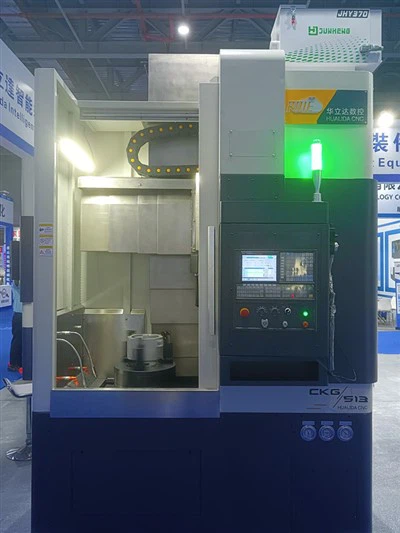
Selecting the right coolant for a Hard Rail Vertical Lathe is a crucial decision that can significantly impact the performance, efficiency, and longevity of the machine. As a supplier of Hard Rail Vertical Lathes, I understand the importance of this choice and have extensive knowledge of the factors involved. In this blog post, I will share some insights on how to make the best selection for your specific needs.
Understanding the Role of Coolant in a Hard Rail Vertical Lathe
Coolant plays several vital roles in the operation of a Hard Rail Vertical Lathe. Firstly, it helps to dissipate heat generated during the cutting process. The friction between the cutting tool and the workpiece can produce a significant amount of heat, which can lead to tool wear, dimensional inaccuracies, and even damage to the workpiece. By cooling the cutting area, the coolant reduces the temperature, extending the tool life and improving the quality of the machined surface.
Secondly, coolant acts as a lubricant, reducing the friction between the tool and the workpiece. This not only improves the cutting efficiency but also helps to prevent built-up edge formation, which can cause poor surface finish and tool breakage. Additionally, the lubricating properties of the coolant can reduce the power consumption of the machine, resulting in energy savings.
Thirdly, coolant helps to flush away chips and debris from the cutting area. This prevents the chips from accumulating and interfering with the cutting process, ensuring smooth and continuous operation. It also helps to protect the machine components from damage caused by the abrasive action of the chips.
Factors to Consider When Selecting a Coolant
When choosing a coolant for your Hard Rail Vertical Lathe, several factors need to be taken into account. These include the type of workpiece material, the cutting operation, the machine specifications, and environmental and safety considerations.
Workpiece Material
The type of workpiece material is one of the most important factors to consider when selecting a coolant. Different materials have different machining characteristics and require different types of coolant to achieve optimal results. For example, ferrous metals such as steel and cast iron typically require a coolant with good rust prevention properties, while non-ferrous metals such as aluminum and copper may require a coolant with low reactivity to prevent corrosion.
Cutting Operation
The cutting operation also plays a significant role in determining the appropriate coolant. Different cutting operations, such as turning, drilling, and milling, generate different levels of heat and require different coolant flow rates and pressures. For example, high-speed cutting operations may require a coolant with high cooling capacity, while heavy-duty cutting operations may require a coolant with good lubricating properties.
Machine Specifications
The specifications of your Hard Rail Vertical Lathe, such as the spindle speed, feed rate, and cutting depth, also need to be considered when selecting a coolant. These parameters can affect the heat generation and chip formation during the cutting process, and the coolant needs to be able to handle these conditions effectively. Additionally, the machine's coolant system, including the pump, filter, and tank, needs to be compatible with the selected coolant.
Environmental and Safety Considerations
Environmental and safety considerations are becoming increasingly important in the selection of coolants. Coolants can have a significant impact on the environment and the health and safety of the operators. Therefore, it is essential to choose a coolant that is environmentally friendly and compliant with relevant regulations. Additionally, the coolant should be non-toxic, non-flammable, and easy to handle and dispose of.
Types of Coolants
There are several types of coolants available for Hard Rail Vertical Lathes, each with its own advantages and disadvantages. The most common types of coolants include water-based coolants, oil-based coolants, and synthetic coolants.
Water-Based Coolants
Water-based coolants are the most widely used type of coolant in machining operations. They are made by mixing water with various additives, such as rust inhibitors, lubricants, and biocides. Water-based coolants offer several advantages, including good cooling performance, low cost, and environmental friendliness. They are also easy to handle and dispose of. However, water-based coolants are more prone to bacterial growth and corrosion, and they may require regular maintenance to ensure their effectiveness.
Oil-Based Coolants
Oil-based coolants are made from mineral oils or synthetic oils and offer excellent lubricating properties. They are particularly suitable for heavy-duty cutting operations and machining of difficult-to-cut materials. Oil-based coolants also have good rust prevention properties and can provide a long service life. However, they are more expensive than water-based coolants, and they can be more difficult to handle and dispose of. Additionally, oil-based coolants can pose a fire hazard if not used properly.
Synthetic Coolants
Synthetic coolants are made from synthetic polymers and offer a combination of the advantages of water-based and oil-based coolants. They have excellent cooling and lubricating properties, are environmentally friendly, and have a long service life. Synthetic coolants are also less prone to bacterial growth and corrosion than water-based coolants. However, they are more expensive than water-based coolants and may require special handling and disposal procedures.
Testing and Evaluation
Before selecting a coolant for your Hard Rail Vertical Lathe, it is recommended to conduct testing and evaluation to determine its suitability for your specific application. This can involve running a series of cutting tests using different coolants and measuring the performance parameters, such as tool life, surface finish, and cutting forces. You can also consult with the coolant manufacturer or a machining expert for advice and recommendations.

Conclusion
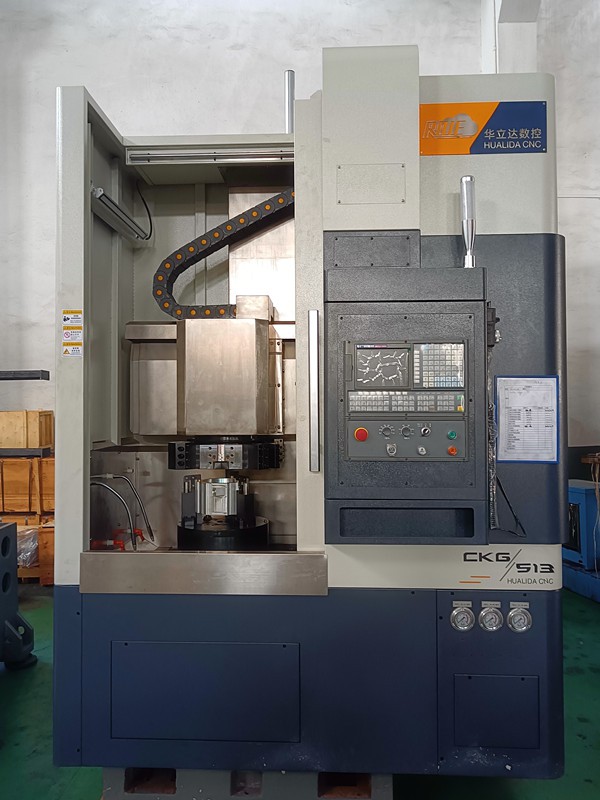
Selecting the right coolant for your Hard Rail Vertical Lathe is a critical decision that can have a significant impact on the performance and efficiency of the machine. By considering the factors discussed in this blog post and conducting testing and evaluation, you can choose a coolant that meets your specific needs and provides optimal results. If you have any further questions or need assistance in selecting a coolant for your Hard Rail Vertical Lathe, please do not hesitate to contact us. We are a leading supplier of Hard Rail Vertical Lathe, Vertical Lathe Machine, and Large Cutting Vertical Lathe, and we are committed to providing our customers with the best products and services.
References
- "Machining Coolants: Selection and Application" by John Doe
- "Coolant Technology for Metalworking" by Jane Smith
- "The Basics of Cutting Fluids" by Tom Brown