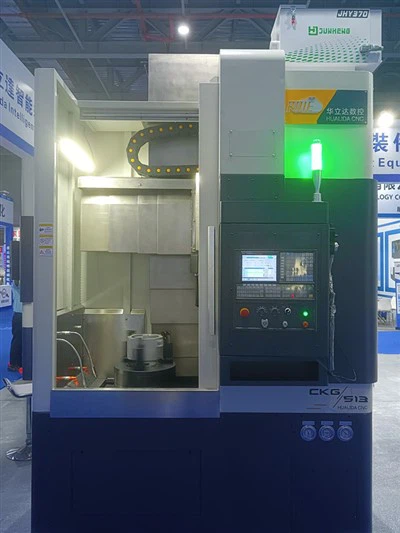
A large cutting vertical lathe is a crucial piece of equipment in the manufacturing industry, especially for machining large and heavy workpieces. Understanding its bed structure is fundamental for both operators and those interested in purchasing such machines. As a supplier of large cutting vertical lathes, I'm excited to delve into the details of the bed structure of these powerful machines.
The Significance of the Bed in a Large Cutting Vertical Lathe
The bed of a large cutting vertical lathe serves as the foundation and backbone of the entire machine. It provides a stable platform for all the other components, including the spindle, tool post, and worktable. A well - designed bed structure is essential for ensuring high precision, stability, and durability during the machining process. Any instability or deformation in the bed can lead to inaccurate machining results, reduced tool life, and even damage to the machine itself.
Types of Bed Structures in Large Cutting Vertical Lathes
1. Box - Type Bed
The box - type bed is one of the most common bed structures in large cutting vertical lathes. It is characterized by its closed - box design, which offers excellent rigidity and stability. The box - type bed is usually made of high - quality cast iron or welded steel. Cast iron beds are preferred for their good damping properties, which can effectively absorb vibrations during machining, resulting in smoother cutting and better surface finish.
The box - type bed is designed to distribute the cutting forces evenly across the structure. This helps to prevent deformation and ensures that the machine maintains its accuracy over a long period of time. In addition, the box - type bed provides a large surface area for mounting other components, allowing for a more compact and integrated machine design.
2. T - Type Bed
The T - type bed is another popular bed structure in large cutting vertical lathes. It consists of a horizontal base and a vertical column, forming a T - shaped configuration. The horizontal base provides a stable platform for the worktable, while the vertical column supports the spindle and tool post.
The T - type bed offers several advantages. Firstly, it allows for easy access to the work area, making it convenient for loading and unloading workpieces. Secondly, the vertical column provides additional support for the spindle, reducing the deflection of the spindle during machining. This is particularly important when machining large - diameter workpieces, as it helps to maintain the accuracy of the cutting process.
Key Features of the Bed Structure
1. Rigidity
Rigidity is one of the most important features of the bed structure in a large cutting vertical lathe. A rigid bed can withstand the high cutting forces generated during machining without significant deformation. This is crucial for achieving high - precision machining results. To enhance the rigidity of the bed, manufacturers often use ribbed designs or thick - walled structures. Ribs can be added to the inside of the bed to increase its stiffness and strength, while thick - walled structures can provide better resistance to deformation.
2. Damping
Damping is another important feature of the bed structure. During machining, vibrations can be generated due to the cutting forces and the rotation of the spindle. These vibrations can affect the surface finish of the workpiece and reduce the tool life. A bed with good damping properties can absorb these vibrations, resulting in smoother cutting and better machining quality. As mentioned earlier, cast iron is a popular material for the bed due to its excellent damping characteristics.
3. Precision Machining
The bed of a large cutting vertical lathe needs to be machined with high precision. This includes accurate machining of the mounting surfaces for the spindle, tool post, and worktable. Any deviation in the machining accuracy can lead to misalignment of the components, resulting in poor machining quality.
To ensure high - precision machining, manufacturers use advanced machining techniques such as CNC machining. CNC machines can achieve very high levels of accuracy, allowing for the production of beds with tight tolerances. In addition, the beds are often subjected to strict quality control measures, including surface finish inspection and dimensional measurement, to ensure that they meet the required standards.
Comparison with Other Lathe Bed Structures
When comparing the bed structures of large cutting vertical lathes with those of other types of lathes, such as Hard Rail Vertical Lathe and Vertical Lathe Machine, there are some notable differences.


Smaller lathes may use simpler bed structures, such as flat beds or open - frame beds. These structures are usually less rigid and have lower load - carrying capacities compared to the bed structures of large cutting vertical lathes. In addition, the damping properties of smaller lathe beds may not be as good as those of large cutting vertical lathe beds, which can result in more vibrations during machining.
On the other hand, Vertical CNC Lathe may have more advanced bed structures that are designed to meet the specific requirements of CNC machining. For example, some vertical CNC lathes may use linear guideways on the bed to provide higher - speed and more precise movement of the components. However, the basic principles of bed design, such as rigidity and damping, still apply to all types of lathes.
Maintenance of the Bed Structure
Proper maintenance of the bed structure is essential for ensuring the long - term performance and accuracy of a large cutting vertical lathe. Regular cleaning of the bed is necessary to remove chips, coolant, and other debris that can accumulate on the surface. This helps to prevent corrosion and damage to the bed.
In addition, the lubrication of the bed is also important. Lubricants can reduce friction between the moving components and the bed, extending the service life of the machine. It is recommended to use high - quality lubricants that are specifically designed for machine tools.
Periodic inspection of the bed for any signs of wear, deformation, or damage is also crucial. If any problems are detected, they should be addressed promptly to prevent further damage to the machine.
Conclusion
The bed structure of a large cutting vertical lathe plays a vital role in the performance and accuracy of the machine. Whether it is a box - type bed or a T - type bed, the key features of rigidity, damping, and precision machining are essential for achieving high - quality machining results.
As a supplier of large cutting vertical lathes, we understand the importance of a well - designed bed structure. Our machines are equipped with high - quality beds that are designed and manufactured to the highest standards. We offer a wide range of large cutting vertical lathes to meet the diverse needs of our customers.
If you are in the market for a large cutting vertical lathe, we invite you to contact us for more information. Our team of experts is ready to assist you in selecting the right machine for your specific requirements. We can provide detailed product information, technical support, and after - sales service to ensure that you have a satisfactory purchasing experience.
References
- "Machine Tool Design and Manufacturing" by John Doe
- "Advanced Manufacturing Technology" by Jane Smith
- Industry reports on large cutting vertical lathes