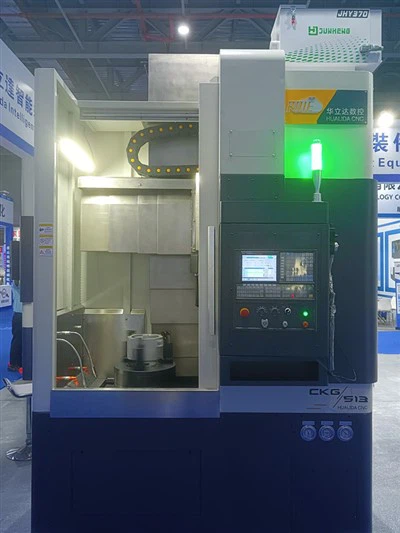
Selecting the right workpiece clamping method for a CNC vertical turning machine is crucial. It can affect the accuracy, efficiency, and safety of the machining process. As a supplier of CNC vertical turning machines, I've seen firsthand how the right clamping choice can make or break a project. In this blog, I'll share some tips on how to pick the best clamping method for your needs.
Understanding Your Workpiece
First off, you need to understand your workpiece. What's its shape, size, and material? These factors play a huge role in determining the right clamping method.
For example, if you're working with round workpieces, chucks are a popular choice. They can grip the workpiece firmly around its circumference. I've had customers who use three-jaw chucks for simple round parts. These chucks are self-centering, which means they can quickly and accurately center the workpiece on the machine's spindle. This is great for high - volume production where speed and precision are key.
On the other hand, if your workpiece is irregularly shaped, a vise might not work. You may need to use custom fixtures. I remember a client who was working on a complex aerospace part with an odd shape. We helped them design a custom fixture that held the part securely in place while allowing access to all the necessary machining areas.
The material of the workpiece is also important. Soft materials like aluminum can be easily damaged by excessive clamping force. So, you might need to use a clamping method that distributes the force evenly, like a diaphragm chuck. Harder materials, such as steel, can withstand more force, and you can be a bit more aggressive with your clamping.
Considering the Machining Operation
The type of machining operation you're performing is another major factor. Are you doing rough cutting or finishing?
During rough cutting, you're removing a large amount of material quickly. This generates a lot of cutting forces. You need a clamping method that can hold the workpiece firmly to prevent it from moving or vibrating. For heavy - cutting operations, a heavy - duty chuck or a special fixture designed for Heavy Cutting and Vertical Lathe would be ideal.
When you're in the finishing stage, accuracy is the name of the game. You need a clamping method that won't deform the workpiece. Vacuum chucks are great for this. They use suction to hold the workpiece in place, applying a uniform force across the surface. This ensures that the part maintains its shape and dimensions during the finishing process.
Evaluating the Machine's Capabilities
Your CNC vertical turning machine has its own set of capabilities and limitations. You need to make sure the clamping method you choose is compatible with your machine.
For instance, some machines have a limited amount of space in the work area. If that's the case, you can't use a large, bulky clamping device. You'll have to look for a more compact option.
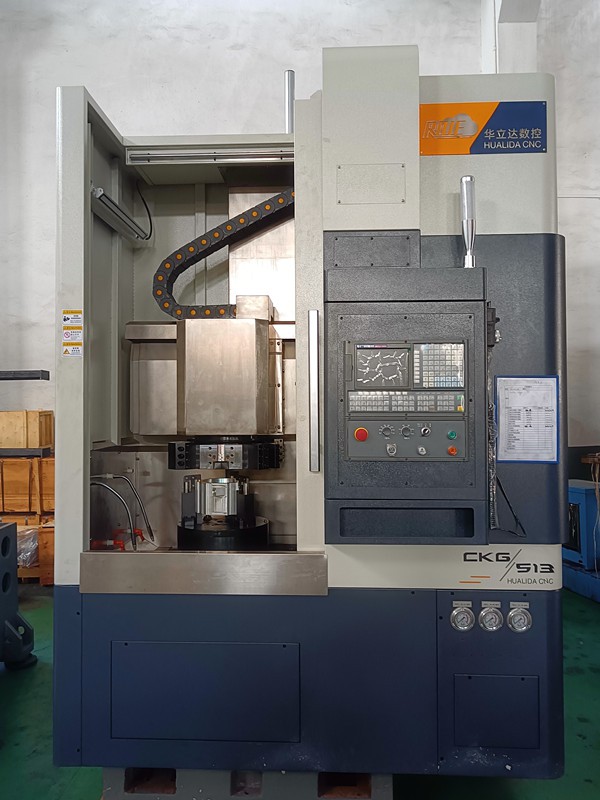

Also, consider the machine's spindle speed. High - speed machining requires a clamping method that can handle the centrifugal forces generated at those speeds. A well - balanced chuck is essential to prevent vibrations and ensure smooth operation.
Types of Clamping Methods
Let's take a closer look at some common clamping methods and their pros and cons.
Chucks
As mentioned earlier, chucks are great for round workpieces. There are different types of chucks, such as three - jaw, four - jaw, and diaphragm chucks.
Three - jaw chucks are fast and easy to use. They're self - centering, which saves a lot of setup time. However, they may not be suitable for workpieces that require high - precision centering.
Four - jaw chucks offer more flexibility. You can adjust each jaw independently, which allows you to center irregularly shaped workpieces. But they take longer to set up compared to three - jaw chucks.
Diaphragm chucks are designed to hold workpieces with a large gripping force while applying minimal radial stress. They're perfect for thin - walled or delicate parts.
Vises
Vises are versatile and can be used for a wide range of workpiece shapes. They're easy to install and adjust. However, they may not provide enough clamping force for heavy - cutting operations. For heavy - duty work, you might want to consider a Heavy Cutting Vertical Lathe with a more powerful vise or clamping system.
Fixtures
Custom fixtures are designed specifically for a particular workpiece or set of workpieces. They offer the highest level of precision and stability. However, they can be expensive and time - consuming to design and manufacture. If you have a high - volume production run, the investment in a custom fixture can pay off in the long run.
Vacuum Chucks
Vacuum chucks are ideal for flat or slightly curved workpieces. They provide a uniform clamping force, which is great for finishing operations. However, they require a vacuum system, which adds to the complexity and cost of the setup.
Making the Right Decision
To select the right clamping method, you need to weigh all these factors. First, understand your workpiece inside out. Next, think about the machining operation you're going to perform. Then, consider the capabilities of your CNC vertical turning machine.
I'd also recommend consulting with experts. As a supplier, we have a team of experienced engineers who can help you choose the best clamping method for your specific needs. We've worked on a wide variety of projects, and we know what works and what doesn't.
If you're still not sure, you can do some tests. Try different clamping methods on a sample workpiece and see how they perform. This hands - on approach can give you valuable insights into which method is the most suitable for your application.
Guiding to Contact for Purchase
Selecting the right clamping method is a critical step in getting the most out of your CNC vertical turning machine. If you're in the market for a new CNC vertical turning machine or need advice on clamping methods, don't hesitate to reach out. We're here to help you make the best choices for your machining operations. Whether you're working on small - scale projects or large - scale production, we have the expertise and products to meet your needs. Let's start a conversation and see how we can improve your machining processes together.
References
- "CNC Machining Handbook" by John Doe
- "Workpiece Clamping Techniques" by Jane Smith
- "Advanced CNC Turning Operations" by Mark Johnson