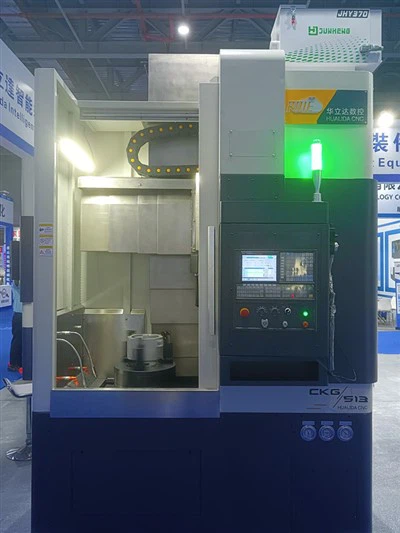
Hey there! As a supplier of CNC Vertical Turning Lathes, I've seen firsthand how crucial cutting fluid is in the operation of these machines. Today, I'm gonna break down the influence of cutting fluid on a CNC vertical turning lathe.
1. Cooling Effect
One of the most significant impacts of cutting fluid is its cooling ability. When a CNC vertical turning lathe is in operation, the cutting tool and the workpiece generate a ton of heat due to friction. This heat can be a real pain in the neck because it can lead to tool wear, deformation of the workpiece, and even affect the accuracy of the machining.
Think about it. If the cutting tool gets too hot, its hardness will decrease, and it'll start to wear out much faster. That means you'll have to replace the tool more often, which can be costly. And if the workpiece gets overheated, it might expand, causing dimensional inaccuracies.
Cutting fluid acts like a cooling superhero here. It absorbs the heat generated during the cutting process and dissipates it. By keeping the temperature in check, it extends the tool life and ensures the workpiece stays in the right shape. For example, in our CKG518 CNC Vertical Lathe, using the right cutting fluid can reduce the heat-related tool wear by a significant margin.
2. Lubrication
Another important role of cutting fluid is lubrication. When the cutting tool comes into contact with the workpiece, there's a lot of friction. This friction not only generates heat but also makes the cutting process less efficient. The cutting fluid forms a thin film between the tool and the workpiece, reducing the friction.
With less friction, the cutting tool can move more smoothly through the material. This results in a better surface finish on the workpiece. You know, a smooth surface finish is often a must - have in many industries. Whether it's for aesthetic reasons or to ensure proper functionality of the part.
In our CNC Vertical Turning Lathe Machine, the lubricating effect of the cutting fluid helps in achieving a high - quality surface finish. It also reduces the power consumption of the machine because less force is needed to cut through the material.
3. Chip Removal
Chips are a by - product of the cutting process. If these chips aren't removed properly, they can cause all sorts of problems. They can get stuck between the tool and the workpiece, leading to poor surface finish, tool breakage, and even damage to the machine.
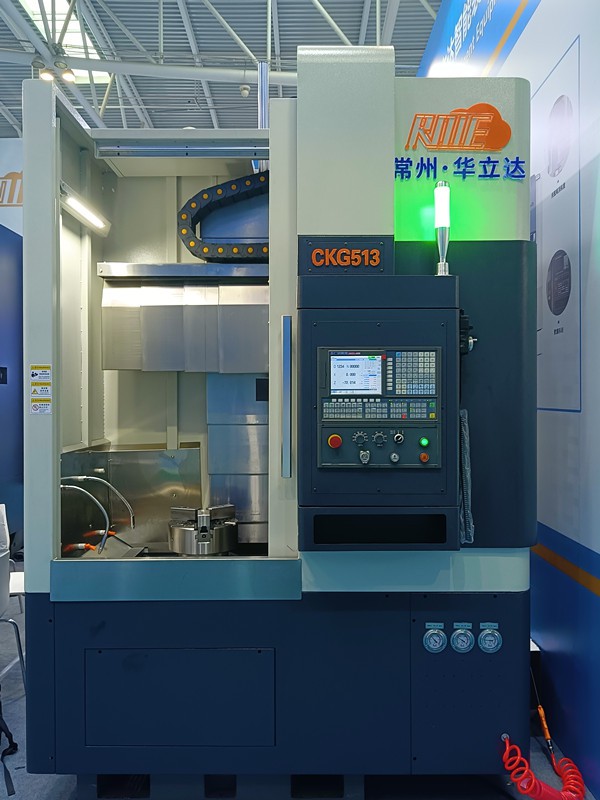

Cutting fluid helps in flushing away these chips. It acts as a carrier, taking the chips away from the cutting area. This ensures that the cutting process can continue smoothly without any interruptions. For instance, in a New CNC Vertical Lathe, a well - designed cutting fluid delivery system can effectively remove chips, improving the overall machining efficiency.
4. Corrosion Prevention
The metal components of a CNC vertical turning lathe and the workpiece are prone to corrosion. Moisture and the presence of certain chemicals in the environment can cause rust and corrosion, which can damage the machine and the parts being machined.
Cutting fluid often contains anti - corrosion additives. These additives form a protective layer on the metal surfaces, preventing them from coming into contact with moisture and corrosive substances. This helps in maintaining the integrity of the machine and the workpiece. It's like giving them a shield against corrosion.
5. Impact on Machining Accuracy
As I mentioned earlier, the cooling and lubrication effects of cutting fluid have a direct impact on machining accuracy. By controlling the temperature and reducing friction, it minimizes the thermal expansion and deformation of the workpiece and the tool. This ensures that the dimensions of the machined part are within the required tolerance.
In high - precision machining, even the slightest deviation can be a big deal. Using the right cutting fluid can make a huge difference in achieving the desired accuracy. For example, in aerospace and medical industries, where precision is of utmost importance, the choice of cutting fluid can be a game - changer.
6. Environmental and Health Considerations
While cutting fluid offers many benefits, we also need to consider its environmental and health impacts. Some cutting fluids contain harmful chemicals that can be bad for the environment and the health of the operators.
There are now more environmentally friendly cutting fluids available in the market. These fluids are biodegradable and have fewer toxic substances. As a supplier, we encourage our customers to choose these eco - friendly options. It's not only good for the planet but also for the well - being of the people working with the machines.
7. Cost - Benefit Analysis
When it comes to using cutting fluid, there's also a cost - benefit analysis to be done. The cost of cutting fluid includes not only the purchase price but also the cost of disposal. However, the benefits in terms of extended tool life, better surface finish, and improved machining efficiency often outweigh the costs.
By using the right cutting fluid, you can save money in the long run. You'll have to replace tools less frequently, and you'll get higher - quality parts with fewer rejections. So, it's a smart investment for any business using a CNC vertical turning lathe.
Conclusion
In conclusion, cutting fluid has a profound influence on a CNC vertical turning lathe. From cooling and lubrication to chip removal and corrosion prevention, it plays a vital role in ensuring the smooth operation and high - quality output of the machine.
If you're in the market for a CNC vertical turning lathe or looking to improve your current machining process, we're here to help. We can provide you with the right advice on choosing the best cutting fluid for your specific needs. Whether it's our CKG518 CNC Vertical Lathe, CNC Vertical Turning Lathe Machine, or New CNC Vertical Lathe, we've got you covered.
If you're interested in learning more or want to discuss your requirements for purchasing a CNC vertical turning lathe, feel free to reach out. We're always ready to have a chat and help you make the best decision for your business.
References
- Boothroyd, G., & Knight, W. A. (2006). Fundamentals of machining and machine tools. CRC Press.
- Kalpakjian, S., & Schmid, S. R. (2013). Manufacturing engineering and technology. Pearson.