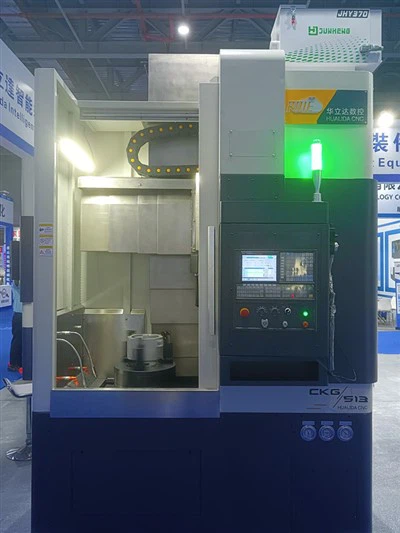
As a trusted supplier of CNC Vertical Turning Lathes, I understand the critical role these machines play in modern manufacturing. Electrical problems can bring your production to a halt, causing significant downtime and potential losses. In this blog, I'll share some valuable insights on how to troubleshoot electrical problems in a CNC vertical turning lathe.
Understanding the Basics of CNC Vertical Turning Lathe Electrical Systems
Before diving into troubleshooting, it's essential to have a basic understanding of the electrical systems in a CNC vertical turning lathe. These machines typically consist of a power supply unit, control panel, servo drives, motors, sensors, and various electrical components. The power supply unit provides the necessary electrical energy to the machine, while the control panel allows operators to input commands and monitor the machine's status. Servo drives and motors are responsible for controlling the movement of the machine's axes, and sensors provide feedback to ensure accurate positioning and operation.
Common Electrical Problems in CNC Vertical Turning Lathes
- Power Supply Issues
- One of the most common electrical problems is a power supply failure. This can be caused by a blown fuse, a tripped circuit breaker, or a malfunctioning power supply unit. If the machine suddenly loses power, check the main power switch, circuit breakers, and fuses. Replace any blown fuses or reset the circuit breakers. If the problem persists, it may be necessary to replace the power supply unit.
- Control Panel Malfunctions
- The control panel is the interface between the operator and the machine. Malfunctions in the control panel can prevent the machine from operating correctly. Common issues include unresponsive buttons, display errors, or communication problems between the control panel and the machine's controller. Check the connections between the control panel and the controller, and ensure that the cables are properly seated. If the buttons are unresponsive, it may be due to a dirty or damaged membrane switch. Clean the switch or replace it if necessary.
- Servo Drive and Motor Problems
- Servo drives and motors are critical components for the precise movement of the machine's axes. Problems with these components can result in inaccurate positioning, jerky movements, or even complete axis failure. Check the servo drive for error codes, which can provide valuable information about the problem. Common causes of servo drive problems include overheating, overcurrent, or a faulty encoder. If the motor is making unusual noises or not running smoothly, it may be due to a mechanical problem, such as a worn bearing or a loose belt.
- Sensor Failures
- Sensors are used to detect the position, speed, and other parameters of the machine. A failed sensor can cause the machine to operate incorrectly or stop working altogether. Check the sensors for physical damage, loose connections, or wiring issues. Replace any damaged sensors and ensure that they are properly calibrated.
Troubleshooting Steps
- Visual Inspection
- Start by performing a visual inspection of the machine's electrical components. Look for any signs of damage, such as burnt wires, loose connections, or overheated components. Check the cables for fraying or cuts, and ensure that all connectors are properly seated. A visual inspection can often reveal obvious problems that can be easily fixed.
- Check the Power Supply
- As mentioned earlier, power supply issues are a common cause of electrical problems. Use a multimeter to check the voltage at the power supply unit and at various points in the machine's electrical system. Compare the measured voltage with the specifications provided by the manufacturer. If the voltage is too low or too high, it may indicate a problem with the power supply or a load imbalance in the system.
- Test the Control Panel
- If the control panel is not functioning correctly, test the buttons and display using a diagnostic tool or the machine's built - in self - test function. Check the communication between the control panel and the controller by sending test commands and monitoring the responses. If there are communication errors, check the serial ports, cables, and settings.
- Diagnose Servo Drive and Motor Problems
- Refer to the servo drive's manual to interpret the error codes. Use a servo drive tester or an oscilloscope to analyze the signals and performance of the servo drive. Check the motor's insulation resistance using a megohmmeter. If the motor is suspected of having a mechanical problem, disassemble it carefully and inspect the bearings, belts, and other moving parts.
- Verify Sensor Functionality
- Use a sensor tester or a multimeter to check the output of the sensors. Compare the readings with the expected values. If a sensor is not providing the correct output, check its wiring, calibration, and mounting position. Replace the sensor if necessary.
Preventive Maintenance
Preventive maintenance is crucial to minimize the occurrence of electrical problems in CNC vertical turning lathes. Here are some preventive maintenance tips:
- Regular Cleaning
- Keep the machine's electrical components clean and free of dust and debris. Use compressed air to blow out any dust from the control panel, servo drives, and other components.
- Lubrication
- Ensure that the moving parts of the machine, such as the motor bearings, are properly lubricated. Follow the manufacturer's recommendations for lubrication intervals and types of lubricants.
- Inspection and Calibration
- Regularly inspect the electrical components for signs of wear and tear. Calibrate the sensors and other precision components according to the manufacturer's specifications.
- Software Updates
- Keep the machine's control software up - to - date. Software updates can often fix bugs and improve the performance and reliability of the machine.
Conclusion
Troubleshooting electrical problems in a CNC vertical turning lathe requires a systematic approach, a good understanding of the machine's electrical systems, and the right tools. By following the steps outlined in this blog, you can quickly identify and resolve common electrical issues, minimizing downtime and ensuring the smooth operation of your machine.


If you are in the market for a high - quality CNC vertical turning lathe, we offer a range of products, including the CKG513 CNC Lathe Machine, High Speed Vertical Lathe, and CKG513 CNC Vertical Lathe. Our machines are designed with advanced technology and high - quality components to provide reliable performance. If you have any questions or are interested in purchasing a machine, please feel free to contact us for further discussion.
References
- CNC Vertical Turning Lathe User Manuals
- Electrical Engineering Textbooks on Industrial Automation
- Servo Drive and Motor Manufacturer's Technical Documentation