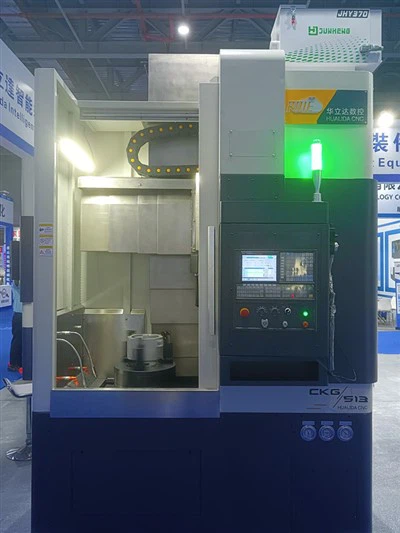
As a supplier of Heavy Vertical Lathes, I've witnessed firsthand the transformative power of upgrading control systems in these industrial workhorses. In this blog post, I'll share insights on how to upgrade the control system of a heavy vertical lathe, covering key aspects from assessment to implementation.
Assessing the Current Control System
Before embarking on an upgrade, it's crucial to conduct a thorough assessment of the existing control system. This involves evaluating its functionality, performance, and compatibility with modern technologies. Consider factors such as the age of the system, the level of automation, and the complexity of operations.
One of the first steps is to identify the specific pain points and limitations of the current control system. Is it struggling to keep up with production demands? Are there frequent breakdowns or malfunctions? Does it lack the features and capabilities required for advanced machining operations? By answering these questions, you can prioritize the areas that need improvement and set clear goals for the upgrade.
Another important aspect of the assessment is to evaluate the compatibility of the existing hardware and software with the new control system. Some older systems may require significant modifications or replacements to support the latest technologies. It's essential to work closely with a qualified control system integrator or manufacturer to ensure a seamless transition and minimize downtime during the upgrade process.
Choosing the Right Control System
Once you have a clear understanding of the current control system's limitations and your upgrade goals, the next step is to choose the right control system for your heavy vertical lathe. There are several factors to consider when making this decision, including:
- Functionality: Look for a control system that offers the features and capabilities you need to improve productivity, accuracy, and flexibility. This may include advanced programming options, real-time monitoring and diagnostics, and integration with other manufacturing systems.
- Performance: Consider the processing power, speed, and reliability of the control system. It should be able to handle the complex calculations and high-speed operations required for heavy-duty machining.
- Compatibility: Ensure that the control system is compatible with your existing hardware and software, as well as any future upgrades or expansions. This will help to minimize costs and ensure a smooth transition.
- User Interface: A user-friendly interface is essential for operators to quickly and easily program, operate, and maintain the control system. Look for a system that offers intuitive graphics, easy-to-use menus, and customizable settings.
- Support and Training: Choose a control system manufacturer or integrator that provides comprehensive support and training services. This will ensure that your operators are properly trained to use the new system and that you have access to technical support when needed.
There are several types of control systems available for heavy vertical lathes, including numerical control (NC), computer numerical control (CNC), and programmable logic controller (PLC) systems. Each type has its own advantages and disadvantages, depending on your specific needs and requirements. It's important to consult with a qualified control system expert to determine the best option for your application.
Implementing the Upgrade
Once you have chosen the right control system for your heavy vertical lathe, the next step is to implement the upgrade. This involves several key steps, including:
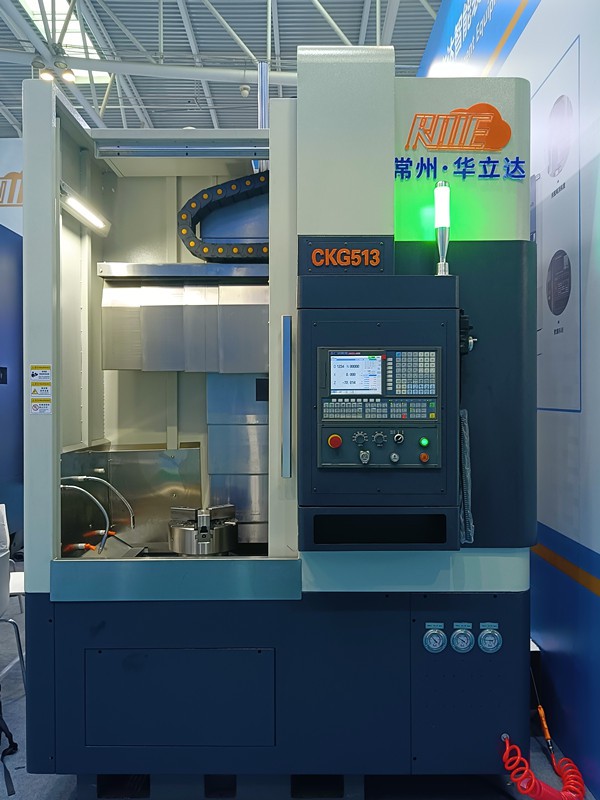

- Planning and Preparation: Develop a detailed project plan that outlines the scope of the upgrade, the timeline, the budget, and the resources required. This will help to ensure that the project stays on track and within budget.
- Hardware Installation: Install the new control system hardware, including the controller, drives, motors, and sensors. This may require some modifications to the existing machine structure and wiring.
- Software Configuration: Configure the new control system software to match your specific machining requirements. This may include programming the machine tool paths, setting up the cutting parameters, and defining the work offsets.
- Testing and Commissioning: Test the new control system to ensure that it is functioning properly and meets your expectations. This may involve running test parts, performing diagnostic checks, and adjusting the settings as needed.
- Operator Training: Provide comprehensive training to your operators on how to use the new control system. This will help to ensure that they are able to quickly and easily program, operate, and maintain the machine.
During the implementation process, it's important to work closely with a qualified control system integrator or manufacturer to ensure a smooth and successful upgrade. They can provide valuable expertise and support throughout the project, from planning and preparation to testing and commissioning.
Benefits of Upgrading the Control System
Upgrading the control system of a heavy vertical lathe can provide several significant benefits, including:
- Improved Productivity: A new control system can offer advanced programming options, real-time monitoring and diagnostics, and integration with other manufacturing systems, which can help to improve productivity and reduce cycle times.
- Enhanced Accuracy and Precision: The latest control systems offer high-speed processing, advanced motion control algorithms, and precise feedback sensors, which can help to improve the accuracy and precision of your machining operations.
- Increased Flexibility: A modern control system can be easily programmed to handle a wide variety of machining tasks, including complex contours, multiple axes, and different materials. This can help to increase the flexibility of your manufacturing operations and reduce the need for manual setup and adjustment.
- Reduced Maintenance and Downtime: A new control system can offer advanced diagnostic features and predictive maintenance capabilities, which can help to identify and prevent potential problems before they occur. This can help to reduce maintenance costs and downtime, and improve the overall reliability of your machine.
- Improved Safety: Many modern control systems offer advanced safety features, such as emergency stop buttons, safety interlocks, and collision detection sensors, which can help to improve the safety of your operators and your manufacturing environment.
Conclusion
Upgrading the control system of a heavy vertical lathe is a significant investment that can provide several benefits, including improved productivity, accuracy, flexibility, and safety. By following the steps outlined in this blog post, you can ensure a smooth and successful upgrade process and maximize the return on your investment.
If you're interested in learning more about upgrading the control system of your heavy vertical lathe, or if you have any questions or concerns, please don't hesitate to contact us for a consultation. Our team of experts is here to help you choose the right control system for your application and ensure a seamless transition.