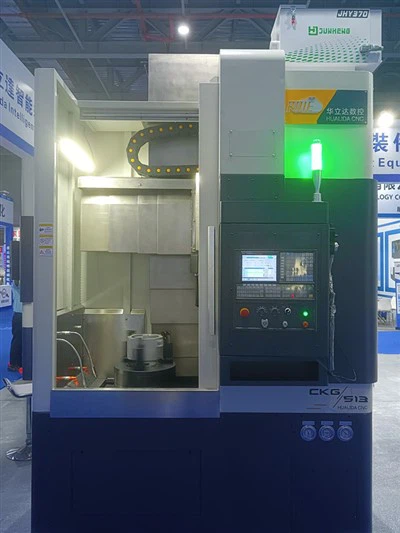
Selecting the appropriate coolant for a milling machine is a crucial decision that can significantly impact the performance, efficiency, and longevity of your equipment. As a supplier of CNC Lathe and Milling Machine, I understand the importance of this choice and am here to guide you through the process.
Understanding the Role of Coolant in Milling Machines
Coolants play several vital roles in the milling process. Firstly, they dissipate heat generated during cutting. Milling involves high - speed rotation of cutting tools against the workpiece, which generates a substantial amount of heat. Excessive heat can lead to tool wear, deformation of the workpiece, and poor surface finish. A good coolant absorbs and carries away this heat, maintaining optimal operating temperatures.
Secondly, coolants act as lubricants. They reduce friction between the cutting tool and the workpiece, which not only extends the life of the cutting tool but also improves the quality of the cut. With less friction, the cutting process becomes smoother, and the tool can remove material more efficiently.
Thirdly, coolants help to flush away chips produced during milling. These chips can interfere with the cutting process, cause damage to the tool or workpiece, and even pose safety hazards. A proper coolant system ensures that chips are quickly and effectively removed from the cutting area.
Factors to Consider When Choosing a Coolant
1. Workpiece Material
The type of material you are milling is one of the most important factors in coolant selection. Different materials have different properties, and they require specific coolants to achieve the best results.
- Metals: For ferrous metals like steel and iron, water - based coolants are often a good choice. They offer excellent cooling and lubrication properties and can handle the high heat generated during the machining of these hard materials. For non - ferrous metals such as aluminum and copper, synthetic coolants or semi - synthetic coolants may be more suitable. Aluminum, for example, is prone to corrosion, and a coolant with anti - corrosion additives can prevent this issue.
- Non - metals: When milling plastics or composites, a coolant with low viscosity and good lubrication is required. Some non - metals are sensitive to certain chemicals, so it's important to choose a coolant that won't react with the workpiece material.
2. Cutting Operation
The nature of the cutting operation also influences coolant selection.
- Roughing vs. Finishing: In roughing operations, where large amounts of material are being removed quickly, the primary function of the coolant is to cool the tool and flush away chips. High - volume, high - pressure coolant systems are often used in these cases. For finishing operations, where a smooth surface finish is required, the coolant needs to provide better lubrication to reduce friction and prevent surface defects.
- High - speed vs. Low - speed Milling: High - speed milling generates more heat, so a coolant with excellent cooling properties is essential. Low - speed milling, on the other hand, may require a coolant that focuses more on lubrication.
3. Tool Material
The material of the cutting tool affects the coolant choice.
- Carbide Tools: Carbide tools are very hard and can withstand high temperatures, but they are also brittle. A coolant that provides good cooling and lubrication can help prevent thermal shock and chipping of the carbide. Water - based coolants are commonly used with carbide tools.
- High - speed Steel (HSS) Tools: HSS tools are more flexible than carbide but are more prone to heat - related wear. A coolant with a balanced combination of cooling and lubrication can extend the life of HSS tools.
4. Environmental and Safety Considerations
- Health and Safety: Coolants can contain chemicals that may be harmful to human health. It's important to choose a coolant that meets safety standards and has low toxicity. Water - based coolants are generally considered safer than oil - based coolants, as they produce fewer fumes and are less likely to cause skin irritation.
- Environmental Impact: With increasing environmental awareness, it's important to select a coolant that is biodegradable and has a low environmental impact. Some coolants can be recycled, which is a more sustainable option.
Types of Coolants for Milling Machines
1. Water - based Coolants
- Synthetic Coolants: Synthetic coolants are made from chemical compounds and do not contain any mineral oil. They offer excellent cooling properties, good corrosion protection, and are easy to maintain. They are also environmentally friendly and have a long service life. However, they may not provide as much lubrication as oil - based coolants, so they are more suitable for light - to - medium - duty milling operations.
- Semi - synthetic Coolants: Semi - synthetic coolants are a combination of synthetic and mineral oil. They offer a good balance between cooling and lubrication. They are more versatile than synthetic coolants and can be used for a wide range of milling operations, including heavy - duty machining.
- Emulsifiable Oils: Emulsifiable oils are oil - in - water emulsions. They provide good lubrication and are suitable for heavy - duty cutting operations. However, they require more maintenance than synthetic or semi - synthetic coolants, as the emulsion can break down over time, leading to issues such as bacteria growth and corrosion.
2. Oil - based Coolants
- Mineral Oils: Mineral oils offer excellent lubrication properties and are suitable for applications where high - quality surface finish is required. They are also effective in reducing tool wear. However, they have poor cooling properties compared to water - based coolants and can generate more fumes, which may pose health and safety risks.
- Vegetable Oils: Vegetable oils are a more environmentally friendly alternative to mineral oils. They have good lubrication properties and are biodegradable. However, they are more prone to oxidation and have a shorter shelf life than mineral oils.
Coolant Maintenance
Once you have chosen the right coolant for your milling machine, proper maintenance is essential to ensure its effectiveness and longevity.

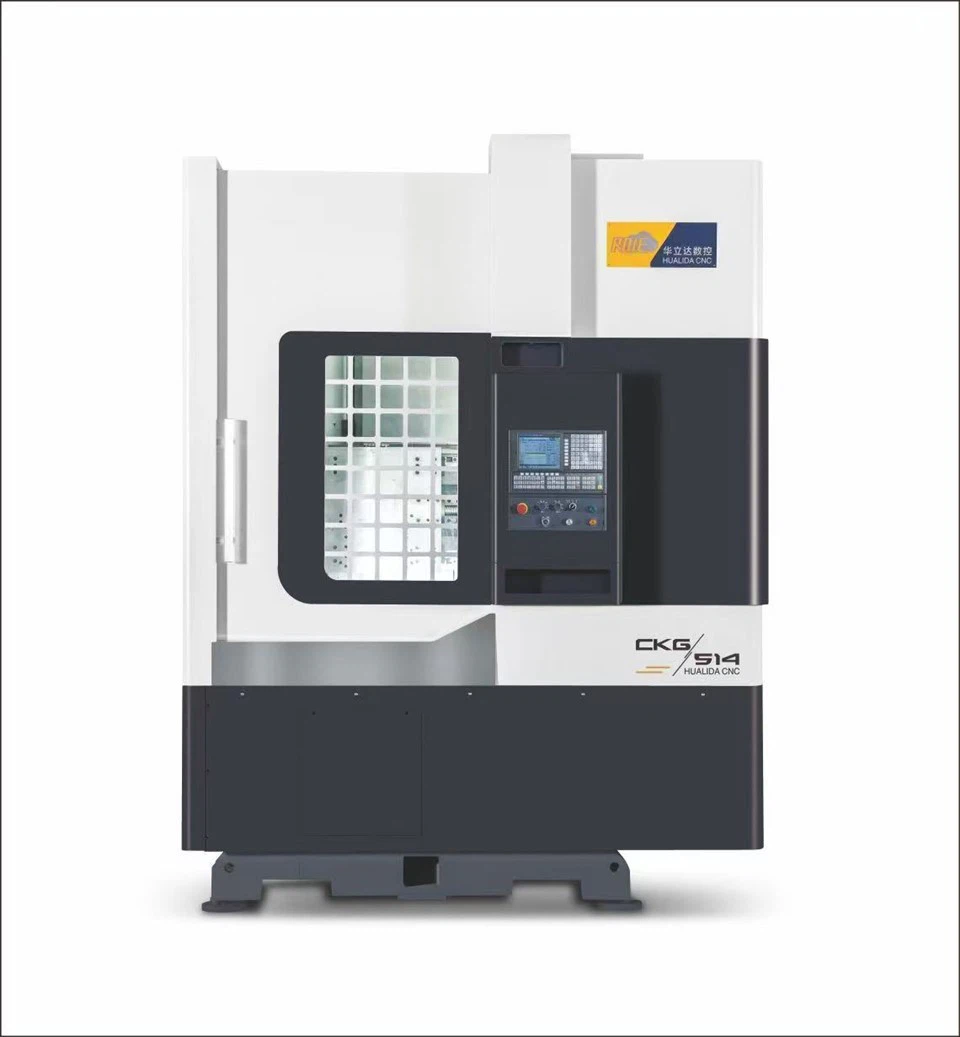
- Concentration: Maintaining the correct coolant concentration is crucial. Too low a concentration may result in poor cooling and lubrication, while too high a concentration can lead to issues such as foaming, corrosion, and damage to the machine components. Regularly test the coolant concentration using a refractometer and adjust it as needed.
- Filtration: A good filtration system is necessary to remove chips, dirt, and other contaminants from the coolant. This helps to prevent clogging of the coolant system and extends the life of the coolant.
- Bacteria Control: Bacteria can grow in water - based coolants, causing unpleasant odors, corrosion, and reduced coolant performance. Add biocides to the coolant regularly to control bacteria growth.
Conclusion
Choosing the right coolant for your milling machine is a complex decision that requires careful consideration of several factors, including workpiece material, cutting operation, tool material, and environmental and safety concerns. By understanding the different types of coolants available and their properties, you can make an informed choice that will improve the performance and efficiency of your CNC Turning and Milling Machine Tools.
If you are unsure about which coolant is best for your specific CNC Turning and Milling needs, our team of experts is here to help. We have extensive experience in the industry and can provide you with professional advice and support. Contact us today to discuss your requirements and start a procurement negotiation.
References
- Kalpakjian, S., & Schmid, S. R. (2009). Manufacturing Engineering and Technology. Pearson Prentice Hall.
- Trent, E. M., & Wright, P. K. (2000). Metal Cutting. Butterworth - Heinemann.