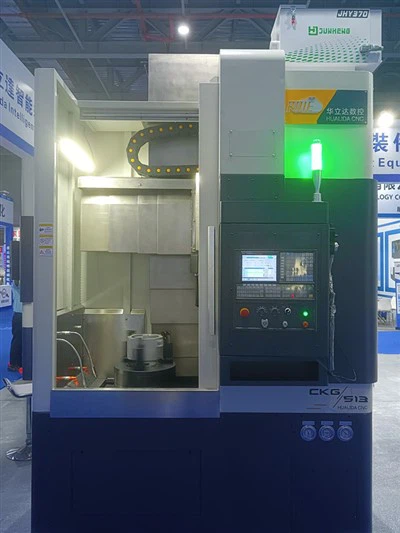
Hey there! As a supplier of High Precision Vertical Lathes, I'm super stoked to dive into the topic of the thermal stability characteristics of these amazing machines.
First off, let's talk about why thermal stability is such a big deal. In high precision machining, even the slightest change in temperature can throw off the accuracy of the work. High Precision Vertical Lathes are used to create parts with extremely tight tolerances, and any thermal expansion or contraction can mess up the whole process.
One of the key thermal stability characteristics of our High Precision Vertical Lathes is their use of high - quality materials. We use materials with low coefficients of thermal expansion. For example, some components are made from special alloys that expand and contract very little when the temperature changes. This means that even if the machine is running for a long time and generating heat, the dimensions of the critical parts remain relatively stable.
Another important aspect is the cooling system. Our lathes are equipped with advanced cooling systems that are designed to maintain a consistent temperature throughout the machine. These cooling systems work in a couple of ways. Firstly, they circulate coolant around the spindle and other heat - generating components. The coolant absorbs the heat and then dissipates it through a radiator or heat exchanger. This helps to keep the temperature of the spindle, which is a crucial part for accurate machining, within a very narrow range.
Secondly, the cooling system also helps to control the temperature of the machine's base and frame. By keeping the base and frame at a stable temperature, we prevent any warping or distortion that could affect the alignment of the cutting tools and the workpiece. This is especially important in a vertical lathe, where the vertical orientation of the spindle and the way the workpiece is held can be more sensitive to thermal changes.
We also pay a lot of attention to the design of the machine to enhance thermal stability. The layout of the components is carefully planned to minimize the impact of heat. For instance, we separate heat - generating components from those that need to be kept at a stable temperature. This reduces the amount of heat transfer between different parts of the machine and helps to maintain overall thermal equilibrium.
Now, let's look at how these thermal stability features translate into real - world benefits. When you're using a High Precision Vertical Lathe, you can expect consistent and accurate machining results over long periods of time. Whether you're running a short production run or a continuous, high - volume operation, the machine will maintain its precision. This means fewer rejects and less rework, which saves you time and money.
Moreover, the thermal stability of our lathes also extends the lifespan of the machine. Since the components are not subjected to excessive thermal stress, they are less likely to wear out prematurely. This reduces maintenance costs and downtime, allowing you to keep your production line running smoothly.
In addition to the High Precision Vertical Lathe, we also offer other great machines like the CNC Vertical Grinding Compound Machine and the Fixed Beam CNC Vertical Milling Machine. These machines also have excellent thermal stability characteristics, which are crucial for their high - precision performance.
If you're in the market for a high - precision machining solution, I highly recommend considering our High Precision Vertical Lathe. The thermal stability features we've built into these machines are second to none, and they'll give you the peace of mind that you're getting a reliable and accurate piece of equipment.

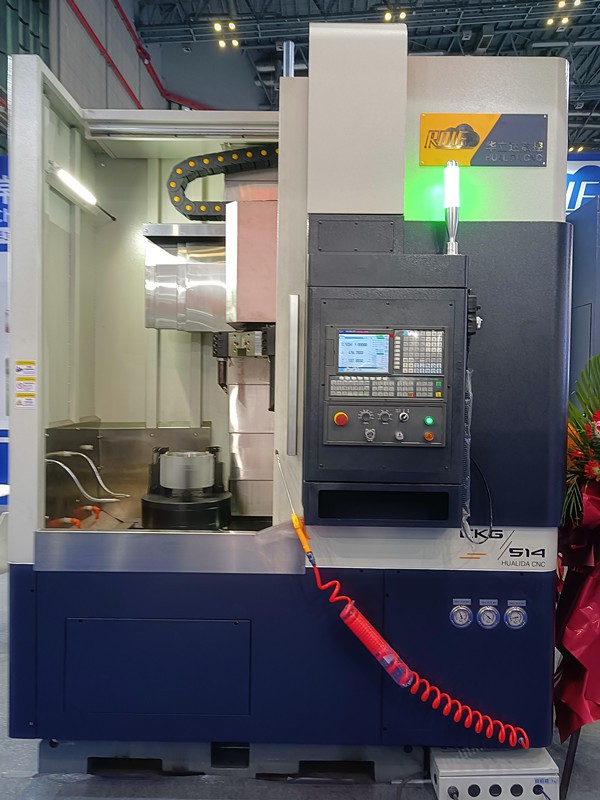
If you're interested in learning more about our products or have any questions about the thermal stability of our High Precision Vertical Lathes, don't hesitate to reach out. We're always happy to have a chat and discuss how our machines can meet your specific manufacturing needs. Whether you're a small - scale workshop or a large - scale industrial manufacturer, we've got the right solution for you. So, let's start a conversation and see how we can help you take your machining operations to the next level.
References:
- Machining Handbook: Covers general principles of high - precision machining and thermal management in machine tools.
- Journal of Precision Engineering: Contains research on the latest advancements in thermal stability for vertical lathes.