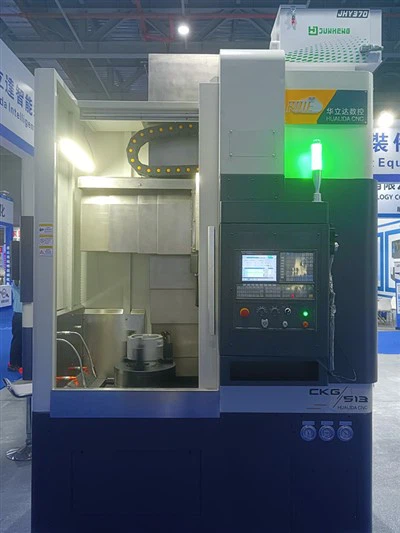
In the manufacturing industry, the accuracy of a milling machine is a crucial factor that directly impacts the quality and precision of machined parts. As a supplier of CNC Lathe and Milling Machine, I have witnessed firsthand the significance of milling machine accuracy in various applications. In this blog post, I will delve into the concept of milling machine accuracy, explore the factors that affect it, and discuss its importance in modern manufacturing.
Understanding Milling Machine Accuracy
Milling machine accuracy refers to the ability of a milling machine to produce parts with dimensions and geometries that closely match the design specifications. It is typically measured in terms of positional accuracy, repeatability, and surface finish. Positional accuracy refers to the ability of the machine to position the cutting tool accurately relative to the workpiece, while repeatability refers to the machine's ability to reproduce the same machining operation consistently. Surface finish, on the other hand, refers to the quality of the machined surface, which is affected by factors such as cutting speed, feed rate, and tool geometry.
The accuracy of a milling machine is determined by several factors, including the machine's mechanical design, the quality of its components, and the control system used to operate it. A well-designed milling machine with high-quality components and a sophisticated control system is more likely to achieve higher levels of accuracy than a machine with a poor design or low-quality components.
Factors Affecting Milling Machine Accuracy
Mechanical Design
The mechanical design of a milling machine plays a crucial role in determining its accuracy. A rigid and stable machine structure is essential for minimizing vibrations and deflections during machining, which can lead to errors in the machined parts. The machine's guideways, bearings, and spindles must be designed and manufactured to high precision standards to ensure smooth and accurate movement of the cutting tool.
Component Quality
The quality of the components used in a milling machine also has a significant impact on its accuracy. High-quality bearings, ball screws, and linear guides are essential for ensuring smooth and precise movement of the machine's axes. The cutting tools used in the milling process must also be of high quality and properly maintained to ensure consistent cutting performance and accurate machining.
Control System
The control system used to operate a milling machine is another critical factor that affects its accuracy. A modern CNC (Computer Numerical Control) system allows for precise control of the machine's axes and cutting parameters, enabling the operator to achieve high levels of accuracy and repeatability. The control system must be properly calibrated and maintained to ensure accurate positioning of the cutting tool and consistent machining results.
Environmental Factors
Environmental factors such as temperature, humidity, and vibration can also affect the accuracy of a milling machine. Changes in temperature can cause the machine's components to expand or contract, leading to errors in the machined parts. Vibration from nearby machinery or other sources can also cause the cutting tool to deflect, resulting in poor surface finish and inaccurate dimensions.
Importance of Milling Machine Accuracy in Modern Manufacturing
In modern manufacturing, the demand for high-precision parts is increasing rapidly. Industries such as aerospace, automotive, and medical device manufacturing require parts with extremely tight tolerances and high levels of accuracy. A milling machine with high accuracy is essential for meeting these requirements and producing parts that meet the strict quality standards of these industries.
Quality Assurance
Accurate milling machines are essential for ensuring the quality of the machined parts. By producing parts with dimensions and geometries that closely match the design specifications, a high-accuracy milling machine can help to minimize the number of defective parts and reduce the need for rework or scrap. This not only improves the overall quality of the products but also reduces production costs and increases efficiency.
Productivity
A milling machine with high accuracy can also improve productivity by reducing the time required for machining and inspection. With precise positioning and consistent cutting performance, the machine can produce parts more quickly and with fewer errors, allowing for faster turnaround times and increased production output.
Competitive Advantage
In today's competitive manufacturing environment, having a high-accuracy milling machine can provide a significant competitive advantage. By producing high-quality parts with tight tolerances and excellent surface finish, a manufacturer can differentiate itself from its competitors and win more business. This can lead to increased market share, higher profits, and long-term success in the industry.

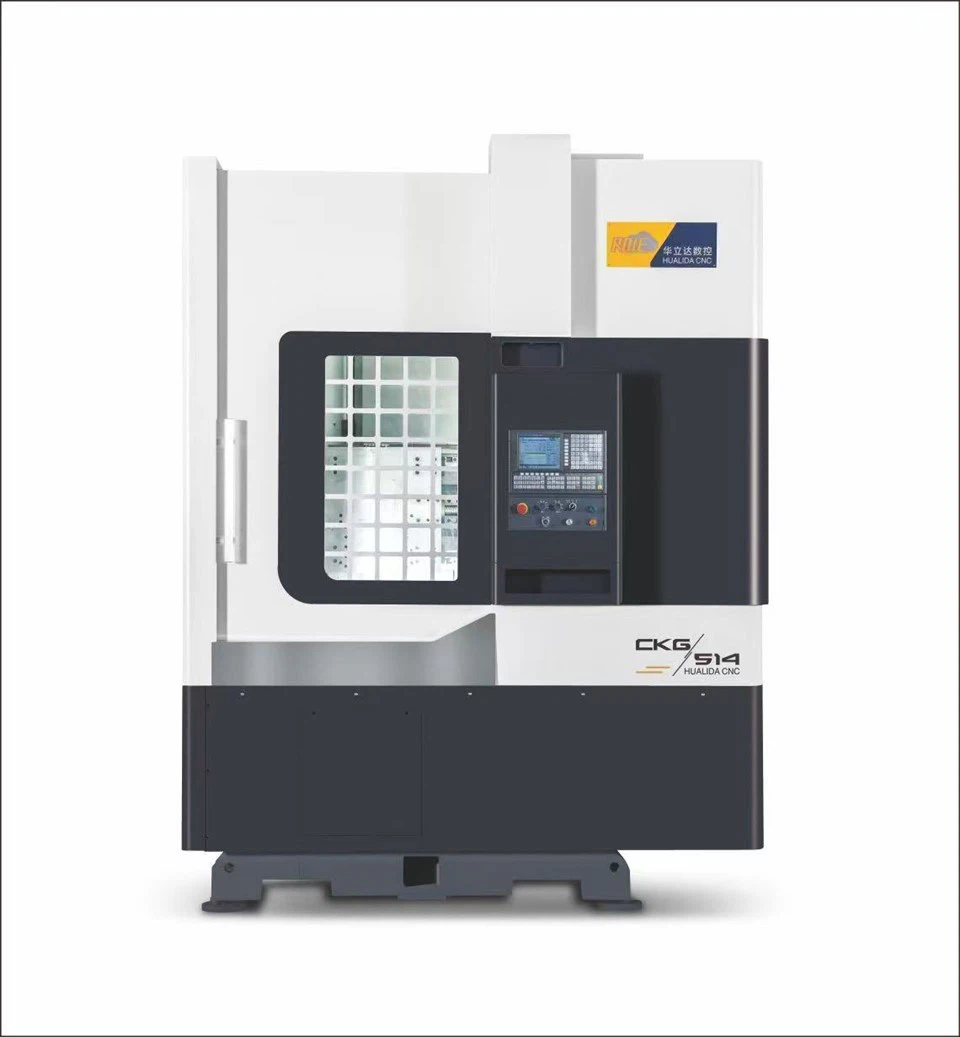
Achieving High Accuracy in Milling Machines
To achieve high accuracy in a milling machine, several steps can be taken:
Machine Selection
When selecting a milling machine, it is important to choose a machine that is designed and built for high accuracy. Look for machines with a rigid and stable structure, high-quality components, and a sophisticated control system. Consider the machine's specifications, such as its positioning accuracy, repeatability, and surface finish capabilities, to ensure that it meets your specific requirements.
Proper Installation and Calibration
Proper installation and calibration of the milling machine are essential for achieving high accuracy. The machine should be installed on a level and stable foundation to minimize vibrations and deflections. The axes of the machine must be properly aligned and calibrated to ensure accurate positioning of the cutting tool. The control system should also be calibrated to ensure accurate control of the machine's axes and cutting parameters.
Regular Maintenance
Regular maintenance of the milling machine is crucial for maintaining its accuracy over time. The machine's components should be inspected and lubricated regularly to ensure smooth and accurate movement. The cutting tools should be sharpened or replaced as needed to maintain consistent cutting performance. The control system should also be updated and maintained to ensure accurate operation.
Operator Training
Proper operator training is essential for achieving high accuracy in a milling machine. The operator should be trained on the machine's operation, programming, and maintenance procedures to ensure that it is used correctly and efficiently. The operator should also be familiar with the principles of accuracy and quality control to ensure that the machined parts meet the required specifications.
Conclusion
In conclusion, the accuracy of a milling machine is a critical factor that directly impacts the quality and precision of the machined parts. As a supplier of CNC Lathe and Milling Machine, I understand the importance of providing our customers with machines that offer high levels of accuracy and reliability. By understanding the factors that affect milling machine accuracy and taking the necessary steps to ensure its proper operation and maintenance, manufacturers can achieve higher levels of productivity, quality, and competitiveness in the modern manufacturing industry.
If you are in the market for a high-accuracy milling machine or have any questions about our CNC Turning and Milling Machine Tools or CNC Turning and Milling services, please do not hesitate to contact us. We would be happy to discuss your specific requirements and provide you with a customized solution that meets your needs.
References
- Smith, J. (2018). Precision Machining: Principles and Applications. McGraw-Hill.
- Jones, A. (2019). CNC Machining Handbook. Industrial Press.
- Brown, R. (2020). Manufacturing Engineering and Technology. Pearson.