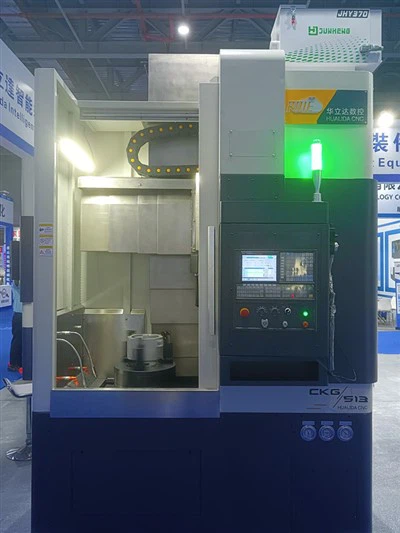
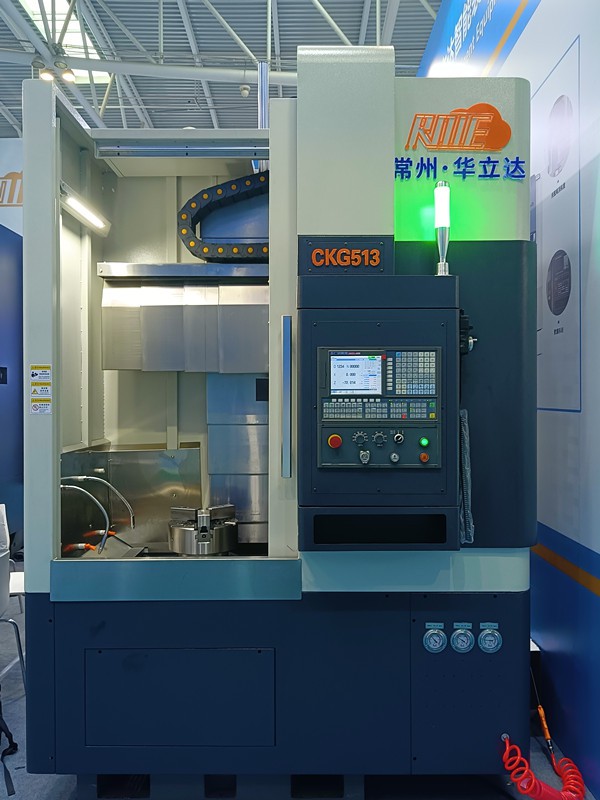
As a supplier of the CKG5110 CNC Vertical Lathe, I often receive inquiries about various technical aspects of our machine. One of the most frequently asked questions is about the clamping force of the chuck on the CKG5110 CNC Vertical Lathe. In this blog post, I will delve into the details of the clamping force, its significance, and how it affects the performance of the CKG5110.
Understanding the Clamping Force
The clamping force of a chuck is the force applied by the chuck jaws to hold the workpiece securely in place during machining operations. It is a critical parameter in the operation of a lathe, as it directly affects the accuracy, surface finish, and overall quality of the machined parts. Insufficient clamping force can lead to workpiece movement, vibration, and poor machining results, while excessive clamping force can cause workpiece deformation, damage to the chuck jaws, and increased wear on the machine components.
On the CKG5110 CNC Vertical Lathe, the clamping force is generated by a hydraulic or pneumatic system that operates the chuck jaws. The system is designed to provide a consistent and reliable clamping force, ensuring that the workpiece remains firmly in place throughout the machining process. The clamping force can be adjusted according to the size, shape, and material of the workpiece, as well as the specific machining requirements.

Factors Affecting the Clamping Force
Several factors can affect the clamping force of the chuck on the CKG5110 CNC Vertical Lathe. These include:
- Chuck Type and Design: Different types of chucks, such as three-jaw, four-jaw, and collet chucks, have different clamping force characteristics. The design of the chuck jaws, including their shape, size, and material, also plays a role in determining the clamping force.
- Workpiece Material and Geometry: The material and geometry of the workpiece can affect the clamping force required to hold it securely. Harder materials and irregularly shaped workpieces may require higher clamping forces to prevent movement during machining.
- Machining Parameters: The cutting speed, feed rate, and depth of cut can all influence the clamping force. Higher machining parameters can generate greater cutting forces, which in turn require higher clamping forces to maintain workpiece stability.
- Hydraulic or Pneumatic System Pressure: The pressure of the hydraulic or pneumatic system that operates the chuck jaws directly affects the clamping force. The system pressure can be adjusted to achieve the desired clamping force for a particular workpiece and machining operation.
Importance of the Clamping Force
The clamping force of the chuck on the CKG5110 CNC Vertical Lathe is of utmost importance for several reasons:
- Workpiece Stability: A sufficient clamping force ensures that the workpiece remains stable during machining, preventing movement and vibration. This is essential for achieving accurate and precise machining results.
- Surface Finish: A stable workpiece results in a better surface finish on the machined part. By minimizing vibration and movement, the clamping force helps to reduce tool marks and improve the overall quality of the surface.
- Tool Life: Proper clamping force can also extend the life of the cutting tools. When the workpiece is securely held, the cutting tools can operate more efficiently, reducing wear and tear and increasing their lifespan.
- Safety: A reliable clamping force is crucial for the safety of the operator and the machine. If the workpiece is not held securely, it can become loose during machining, posing a serious risk of injury or damage to the machine.
Determining the Optimal Clamping Force
Determining the optimal clamping force for a particular workpiece and machining operation requires careful consideration of several factors. Here are some steps to help you determine the appropriate clamping force:
- Understand the Workpiece Requirements: Consider the material, size, shape, and machining requirements of the workpiece. This will help you determine the minimum clamping force needed to hold the workpiece securely.
- Refer to the Chuck Manufacturer's Guidelines: The chuck manufacturer usually provides guidelines and recommendations for the clamping force based on the chuck type, size, and application. Refer to these guidelines to ensure that you are using the appropriate clamping force.
- Conduct Test Runs: Before starting a production run, it is advisable to conduct test runs with different clamping forces to determine the optimal setting. This will help you fine-tune the clamping force and ensure that you achieve the best machining results.
- Monitor the Machining Process: During the machining process, monitor the workpiece and the machine for any signs of movement or vibration. If you notice any issues, adjust the clamping force accordingly.
Conclusion
In conclusion, the clamping force of the chuck on the CKG5110 CNC Vertical Lathe is a critical parameter that directly affects the performance and quality of the machining process. By understanding the factors that affect the clamping force, its importance, and how to determine the optimal setting, you can ensure that your CKG5110 operates efficiently and produces high-quality machined parts.
If you are interested in learning more about the CKG5110 CNC Vertical Lathe or have any questions about the clamping force or other technical aspects of the machine, please feel free to [contact us for a purchase negotiation]. We are a leading supplier of CNC vertical lathes, including the CKG513 CNC Vertical Lathe and High Speed Vertical Lathe. Our team of experts is always ready to assist you with your machining needs.
References
- CNC Vertical Turning Lathe Machine
- Manufacturer's documentation for the CKG5110 CNC Vertical Lathe
- Technical literature on chuck clamping forces and machining processes