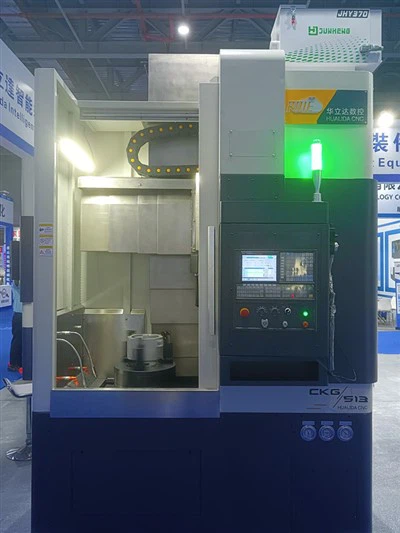
As a supplier of Hard Rail Vertical Lathes, I often encounter inquiries from customers about various technical aspects of our machines. One of the most frequently asked questions is about the cutting feed rate of a Hard Rail Vertical Lathe. In this blog post, I'll delve into what the cutting feed rate is, its significance, and how it relates to our Hard Rail Vertical Lathes.
Understanding the Cutting Feed Rate
The cutting feed rate refers to the distance the cutting tool advances along the workpiece during each revolution of the spindle in a lathe. It is typically measured in millimeters per revolution (mm/r) or inches per revolution (ipr). This parameter is crucial as it directly impacts the efficiency, quality, and cost of the machining process.
A higher feed rate means that the cutting tool moves faster along the workpiece, which can significantly reduce the machining time. However, increasing the feed rate too much can lead to poor surface finish, excessive tool wear, and even damage to the workpiece or the machine itself. On the other hand, a lower feed rate results in a better surface finish but increases the machining time and cost.
Factors Affecting the Cutting Feed Rate
Several factors influence the optimal cutting feed rate for a Hard Rail Vertical Lathe. These include:
Workpiece Material
Different materials have different properties, such as hardness, toughness, and machinability. For example, softer materials like aluminum can generally tolerate higher feed rates compared to harder materials like stainless steel or titanium. When machining a soft aluminum alloy, you might be able to use a feed rate of 0.2 - 0.5 mm/r, while for a high - strength stainless steel, a feed rate of 0.05 - 0.2 mm/r might be more appropriate.
Tool Material and Geometry
The type of cutting tool and its geometry play a vital role in determining the feed rate. Carbide tools are more wear - resistant and can often handle higher feed rates than high - speed steel tools. Additionally, the shape of the tool, such as the rake angle and the nose radius, affects the cutting forces and chip formation, which in turn influence the feed rate. A tool with a larger nose radius can typically handle higher feed rates while maintaining a good surface finish.
Machine Rigidity
The rigidity of the Hard Rail Vertical Lathe is another important factor. A more rigid machine can withstand higher cutting forces without excessive vibration, allowing for higher feed rates. Our Hard Rail Vertical Lathes are designed with a robust structure and high - quality hard rails, which provide excellent rigidity. This enables our machines to handle relatively high feed rates while ensuring stable and accurate machining.
Depth of Cut
The depth of cut, which is the thickness of the layer removed from the workpiece in each pass, also affects the feed rate. Generally, a larger depth of cut requires a lower feed rate to avoid overloading the cutting tool. If you increase the depth of cut, you may need to reduce the feed rate proportionally to maintain a stable cutting process.
Determining the Optimal Cutting Feed Rate
To determine the optimal cutting feed rate for a specific machining operation on a Hard Rail Vertical Lathe, you can follow these steps:
Refer to Tool Manufacturer Recommendations
Tool manufacturers usually provide recommended feed rates for their cutting tools based on the workpiece material and the type of operation. These recommendations are a good starting point. You can find these guidelines in the tool catalogs or on the manufacturer's website.
Conduct Test Cuts
After getting the initial feed rate from the tool manufacturer, it's a good idea to conduct test cuts on a sample workpiece. Start with a conservative feed rate and gradually increase it while closely monitoring the surface finish, tool wear, and machine performance. Look for signs of excessive vibration, poor chip formation, or tool breakage. The optimal feed rate is the one that provides a good balance between machining efficiency and quality.
Consider the Machining Goals
Your machining goals also play a role in determining the feed rate. If you are more concerned about achieving a high - quality surface finish, you may choose a lower feed rate. However, if your main goal is to increase productivity and reduce machining time, you can try to increase the feed rate within the limits of the machine and the tool.
Benefits of Our Hard Rail Vertical Lathes in Terms of Cutting Feed Rate
Our Hard Rail Vertical Lathes offer several advantages when it comes to cutting feed rates:
High Rigidity
As mentioned earlier, the hard rails in our lathes provide excellent rigidity. This allows the machine to handle higher cutting forces, enabling us to use relatively high feed rates without sacrificing accuracy or causing excessive vibration. Whether you are machining small or large workpieces, our lathes can maintain stable performance at various feed rates.
Precision Control
Our lathes are equipped with advanced control systems that allow for precise adjustment of the feed rate. You can easily set the desired feed rate on the control panel, and the machine will maintain that rate throughout the machining process. This ensures consistent and repeatable results, which is essential for mass production.
Compatibility with Different Tools
Our Hard Rail Vertical Lathes are designed to be compatible with a wide range of cutting tools. Whether you are using carbide, high - speed steel, or other specialized tools, our machines can support the appropriate feed rates for these tools. This flexibility allows you to choose the best tool for your specific machining requirements and achieve optimal results.
Applications of Different Feed Rates
Different feed rates are suitable for different types of machining operations. For example:
Rough Machining
In rough machining, the goal is to remove a large amount of material quickly. Therefore, a relatively high feed rate can be used. Our Hard Rail Vertical Lathes can handle high - feed rough machining operations effectively, reducing the overall machining time. For instance, when rough machining a large - diameter steel workpiece, you can use a feed rate of 0.3 - 0.5 mm/r to remove material rapidly.
Finishing Machining
Finishing machining requires a better surface finish. So, a lower feed rate is typically used. Our lathes can also perform finishing operations with high precision at lower feed rates. When finishing a part with a tight tolerance and a high - quality surface finish requirement, a feed rate of 0.05 - 0.1 mm/r might be appropriate.
Related Products in Our Range
If you are interested in our Hard Rail Vertical Lathes, you might also be interested in our other related products:
- Large Cutting Vertical Lathe: This machine is designed for handling large - scale machining operations with high cutting forces. It can support different feed rates depending on the workpiece size and material.
- Heavy Cutting Vertical Lathe: Ideal for heavy - duty machining, this lathe can handle large depths of cut and relatively high feed rates, providing high - efficiency machining solutions.
Conclusion
The cutting feed rate is a critical parameter in the operation of a Hard Rail Vertical Lathe. It affects the machining efficiency, quality, and cost. By understanding the factors that influence the feed rate and following the proper procedures to determine the optimal value, you can achieve the best results in your machining operations.
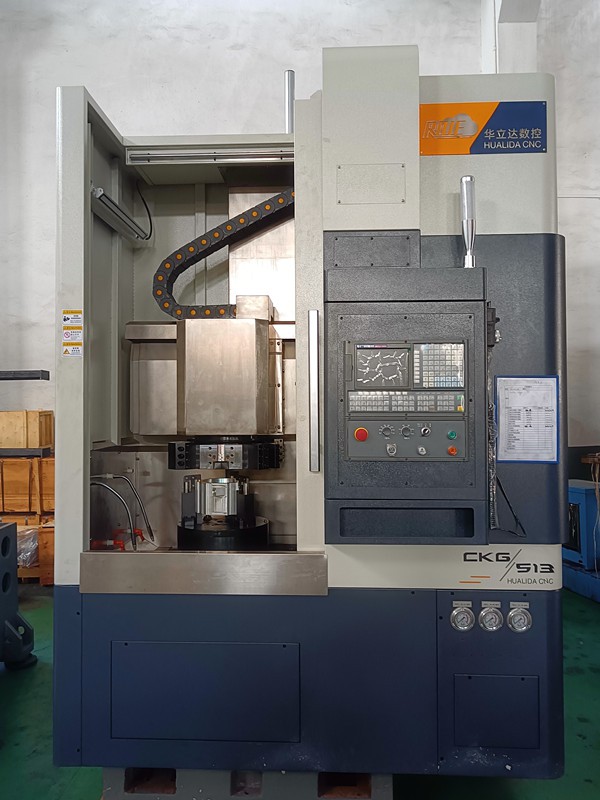

As a supplier of Hard Rail Vertical Lathes, we are committed to providing high - quality machines that can handle a wide range of feed rates and machining requirements. If you have any questions about our products or need assistance in determining the optimal cutting feed rate for your specific application, please feel free to contact us for a detailed discussion. We look forward to working with you to meet your machining needs.
References
- Tool Manufacturer Catalogs
- Machining Handbook, various editions