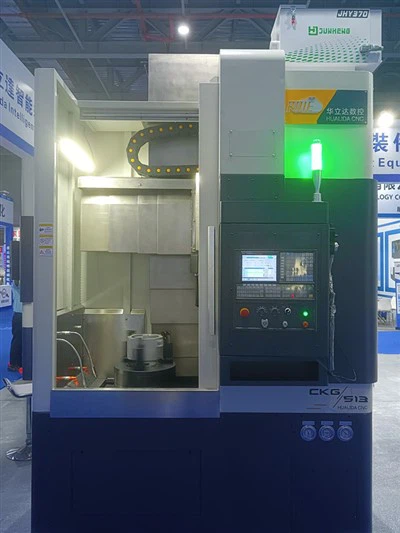
Hey there! As a supplier of New CNC Vertical Lathes, I often get asked about the maximum turning diameter of these machines. It's a crucial factor for many businesses looking to invest in a new lathe, as it directly impacts the size of the workpieces they can handle. In this blog post, I'll dive into what the maximum turning diameter is, why it matters, and how it varies across different models of New CNC Vertical Lathes.
Let's start with the basics. The maximum turning diameter of a CNC vertical lathe refers to the largest diameter of a workpiece that the machine can rotate and machine. It's a key specification that determines the machine's capacity and the range of parts it can produce. For example, if you're in the business of manufacturing large - scale industrial components, you'll need a lathe with a large maximum turning diameter to accommodate those big workpieces.
One of the main reasons why the maximum turning diameter matters is efficiency. If you try to use a lathe with a turning diameter that's too small for your workpieces, you'll either have to break the job into multiple parts or risk damaging the machine. On the other hand, having a lathe with a larger turning diameter than you need can be an unnecessary expense, as you're paying for more capacity than you actually require.
Now, let's talk about how the maximum turning diameter varies among different models of New CNC Vertical Lathes. At our company, we offer a range of lathes with different specifications to meet the diverse needs of our customers. For instance, the CKG516 CNC Vertical Lathe has a relatively smaller maximum turning diameter, which makes it ideal for small - to medium - sized workpieces. This model is great for businesses that focus on producing precision parts in smaller quantities, such as those in the electronics or medical device industries.
On the contrary, the CKG518 CNC Vertical Lathe is designed for larger workpieces. It has a significantly larger maximum turning diameter, allowing it to handle heavy - duty machining tasks. This lathe is often used in industries like automotive, aerospace, and heavy machinery, where large and complex components need to be manufactured.
Of course, the maximum turning diameter isn't the only factor to consider when choosing a New CNC Vertical Lathe. Other important aspects include the machine's precision, speed, and the type of control system it uses. However, the turning diameter is a fundamental specification that sets the foundation for what the machine can do.
When it comes to determining the right maximum turning diameter for your business, it's essential to take a close look at your production requirements. Consider the size of the parts you currently produce and any future growth projections. If you anticipate taking on larger projects in the future, it might be worth investing in a lathe with a larger turning diameter. But if your work mainly involves smaller parts, a lathe with a more modest turning diameter will likely be sufficient.
Another thing to keep in mind is that the maximum turning diameter can also affect the overall footprint of the machine. Lathes with larger turning diameters tend to be bigger and may require more floor space in your workshop. So, you'll need to factor in the available space when making your decision.
We understand that choosing the right New CNC Vertical Lathe can be a daunting task. That's why our team of experts is always here to help. We can provide you with detailed information about each model, including the maximum turning diameter, and help you select the lathe that best suits your needs. Whether you're a small - scale manufacturer or a large industrial enterprise, we have the right solution for you.
If you're interested in learning more about our New CNC Vertical Lathes or have any questions about the maximum turning diameter, don't hesitate to reach out. We're eager to start a conversation and help you find the perfect lathe for your business. Let's work together to take your production capabilities to the next level!
References


- General knowledge in the field of CNC vertical lathes and manufacturing industry.