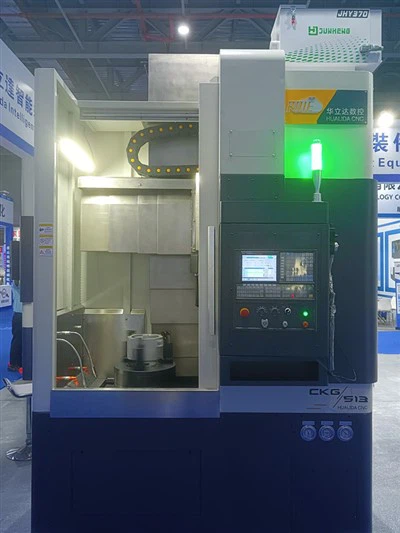
Hey there! As a supplier of CNC Lathe and Milling Machine, I often get asked about the difference between roughing and finishing in a milling machine. So, I thought I'd write this blog to clear things up.
Let's start with the basics. Milling is a machining process that uses a rotating cutter to remove material from a workpiece. It's a versatile process that can be used to create a wide range of shapes and features. And within the milling process, roughing and finishing are two crucial stages, each with its own unique characteristics and purposes.
Roughing in Milling
Roughing is the first step in the milling process. The main goal of roughing is to quickly remove a large amount of material from the workpiece. This is done to get close to the final shape of the part, but not to achieve the exact dimensions or surface finish.
One of the key features of roughing is the use of large cutting tools and high feed rates. Since the goal is to remove material as quickly as possible, we can afford to use tools with a larger diameter and take deeper cuts. This allows us to remove more material in each pass, reducing the overall machining time.
For example, if we're making a large block of metal into a specific shape, during roughing, we might use a 2-inch end mill and take a 0.1-inch deep cut at a high feed rate. This will quickly remove the bulk of the material, leaving us with a shape that's close to what we need.
Another aspect of roughing is that it doesn't require a high level of precision. The surface finish after roughing is usually quite rough, with visible tool marks. This is because we're more focused on removing material than on achieving a smooth surface.
However, roughing does have its challenges. Since we're taking large cuts, there's more stress on the cutting tool and the machine. This can lead to tool wear and even breakage if the cutting parameters aren't set correctly. That's why it's important to choose the right cutting tools and set the appropriate feed rates and spindle speeds.
Finishing in Milling
Once the roughing process is complete, it's time for finishing. Finishing is all about achieving the final dimensions and surface finish of the part. This is the stage where we really fine-tune the part to meet the required specifications.
In finishing, we use smaller cutting tools and take lighter cuts. Smaller tools allow us to have more control over the machining process and achieve more precise dimensions. For instance, instead of using a 2-inch end mill like in roughing, we might use a 0.25-inch end mill for finishing.
The feed rates and spindle speeds are also adjusted for finishing. We typically use lower feed rates and higher spindle speeds to ensure a smooth surface finish. This allows the cutting tool to remove a very thin layer of material, leaving a smooth and precise surface.

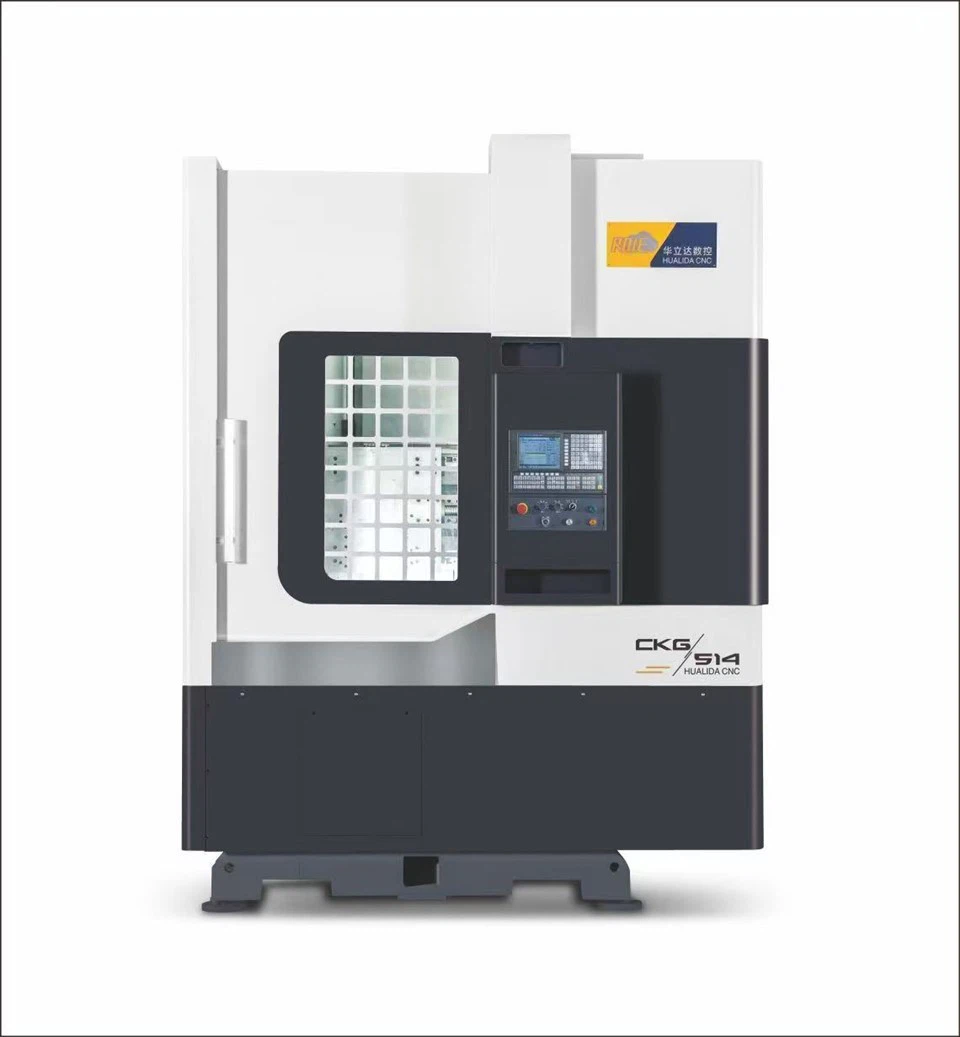
Let's go back to our example of the metal block. After roughing, the surface is rough and the dimensions are close but not exact. During finishing, we'll use a smaller end mill to take a 0.005-inch deep cut at a lower feed rate. This will gradually remove the remaining material and smooth out the surface, resulting in a part with the exact dimensions and a high-quality surface finish.
Precision is the name of the game in finishing. We need to ensure that the part meets the required tolerances, which can be as tight as a few thousandths of an inch. Any deviation from the specified dimensions can lead to a part that doesn't fit or function correctly.
Key Differences Between Roughing and Finishing
Now that we've looked at roughing and finishing separately, let's summarize the key differences between the two.
Material Removal Rate
The most obvious difference is the material removal rate. Roughing is all about removing material quickly, so it has a high material removal rate. Finishing, on the other hand, is focused on achieving precision and a smooth surface, so the material removal rate is much lower.
Cutting Tools
Roughing uses larger cutting tools to take deeper cuts, while finishing uses smaller tools for more precise machining. The choice of cutting tools also depends on the type of material being machined and the specific requirements of the part.
Surface Finish
The surface finish after roughing is rough, with visible tool marks. In contrast, finishing produces a smooth and precise surface, often with a mirror-like finish if done correctly.
Precision
Roughing doesn't require a high level of precision, as it's just getting the part close to the final shape. Finishing, however, demands a high degree of precision to meet the required tolerances.
Machining Time
Roughing generally takes less time because we're removing material quickly. Finishing takes longer as it involves more precise machining and multiple passes to achieve the desired surface finish and dimensions.
Why These Differences Matter
Understanding the differences between roughing and finishing is crucial for anyone involved in CNC machining. For us as a CNC Lathe and Milling Machine supplier, it helps us recommend the right machines and cutting tools to our customers.
If a customer needs to machine a large quantity of parts quickly, we might recommend a machine that's optimized for roughing, with a high spindle power and the ability to handle large cutting tools. On the other hand, if precision and a high-quality surface finish are the top priorities, we'd suggest a machine with better control and accuracy for finishing operations.
For manufacturers, knowing the differences allows them to optimize their machining processes. By separating roughing and finishing operations, they can use the right tools and cutting parameters for each stage, reducing machining time and improving the quality of the final product.
Our CNC Lathe and Milling Machines for Roughing and Finishing
At our company, we offer a wide range of CNC Lathe and Milling Machine that are suitable for both roughing and finishing operations.
Our machines are equipped with advanced control systems that allow for precise control of the cutting parameters. This means that whether you're doing roughing or finishing, you can set the feed rates, spindle speeds, and depth of cut with great accuracy.
We also provide a variety of cutting tools for different applications. For roughing, we have high-quality end mills and face mills that can handle large cuts and high feed rates. For finishing, we offer precision cutting tools that can achieve a smooth surface finish and tight tolerances.
In addition, our machines are designed to be durable and reliable. They can withstand the high stresses of roughing operations without sacrificing accuracy during finishing. This ensures that you can get consistent results over a long period of time.
Related Products and Services
If you're interested in CNC machining, we also offer CNC Turning and Milling services. Our experienced team can help you with everything from design to production, ensuring that your parts are machined to the highest standards.
We also have a wide range of CNC Turning and Milling Machine Tools available for sale. Whether you need end mills, drills, or other cutting tools, we've got you covered.
Contact Us for Your Machining Needs
If you're in the market for a CNC Lathe and Milling Machine or need help with your machining projects, don't hesitate to reach out to us. We're here to assist you with all your CNC machining needs. Whether you're a small workshop or a large manufacturing company, we can provide the right solutions for you.
References
- "Modern Machining Technology" by Robert L. Norton
- "CNC Programming Handbook" by Peter Smid