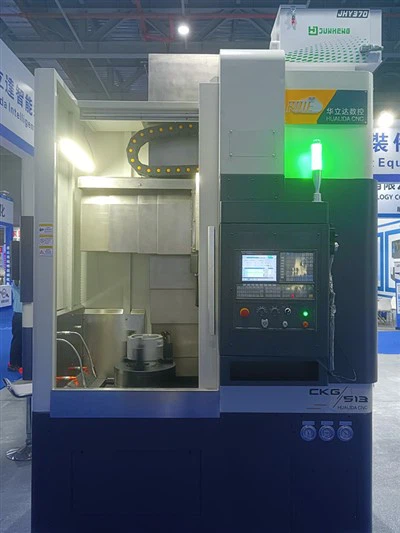
Hey there! As a supplier of CNC Vertical Turning Lathe, I've seen firsthand how important it is to store these machines properly when they're not in use. A CNC vertical turning lathe is a significant investment, and proper storage can extend its lifespan, maintain its precision, and save you money in the long run. So, let's dive into how you can store your CNC vertical turning lathe effectively.
1. Clean the Machine Thoroughly
Before you even think about storing your lathe, you've got to give it a good clean. Cutting fluids, chips, and debris can cause corrosion and damage to the machine's components over time. Start by removing all the chips from the work area, using a brush or a vacuum cleaner. Make sure to get into all the nooks and crannies, especially around the spindle and the tool holders.
Next, clean the cutting fluids. You can use a degreaser to remove any built-up residue. Wipe down the entire machine with a clean, dry cloth. Pay special attention to the guideways, as any dirt or debris here can affect the machine's accuracy when it's back in use. For example, our CKG518 CNC Vertical Turning Lathe has precision guideways that need to be kept spotless.
2. Lubricate Moving Parts
Once the machine is clean, it's time to lubricate the moving parts. Lubrication helps prevent rust and ensures that the parts move smoothly when the machine is restarted. Use a high-quality lubricant recommended by the manufacturer. Apply it to the guideways, ball screws, and other moving components.
For the spindle, you might need to use a special spindle lubricant. This will protect the bearings and keep them in good condition. Don't forget to lubricate the tool holders as well. A well-lubricated CKG515 CNC Vertical Lathe will be ready to go when you need it again.
3. Protect Electrical Components
Electrical components are sensitive to moisture and dust. To protect them, cover the control panel with a plastic sheet or a specialized control panel cover. You can also use desiccant packs to absorb any moisture in the control cabinet.
Disconnect all the power cords and cables, but make sure to label them properly. This will make it easier to reconnect them when you're ready to use the machine again. If possible, store the electrical components in a separate, dry area.
4. Choose the Right Storage Location
The storage location is crucial for the long-term health of your CNC vertical turning lathe. Look for a clean, dry, and temperature-controlled environment. Avoid areas that are prone to flooding, excessive humidity, or extreme temperature changes.
A dedicated storage room is ideal, but if that's not possible, you can use a covered area in your workshop. Make sure the floor is level and strong enough to support the weight of the machine. If the lathe is going to be stored for an extended period, consider using a storage rack or a pallet to keep it off the ground.
5. Cover the Machine
Once the lathe is in its storage location, cover it with a protective cover. There are many types of covers available, from simple plastic sheets to custom-made fabric covers. A good cover will protect the machine from dust, dirt, and scratches.
Make sure the cover fits snugly and is secured properly. You can use straps or bungee cords to keep it in place. This will prevent any debris from getting under the cover and causing damage to the machine.
6. Perform Regular Inspections
Even when the machine is in storage, it's important to perform regular inspections. Check the cover for any signs of damage or wear. Look for any signs of rust or corrosion on the machine's components.


Inspect the lubrication levels and add more if necessary. Check the electrical components for any signs of moisture or damage. If you notice any issues, address them immediately to prevent further damage.
7. Document the Storage Process
Keep a record of the storage process, including the date the machine was stored, the cleaning and lubrication procedures performed, and any inspections or maintenance done during the storage period. This documentation will be useful when it's time to bring the machine back into service.
You can also note down any issues or observations during the storage process. This will help you identify any potential problems and take appropriate action.
8. Plan for Recommissioning
Before you start using the CNC vertical turning lathe again, you need to plan for recommissioning. This involves checking all the components, reconnecting the electrical cables, and performing a series of tests to ensure the machine is working properly.
Refer to the manufacturer's manual for the recommissioning procedures. You might need to perform some calibration and adjustment to get the machine back to its optimal performance.
In conclusion, proper storage of a CNC vertical turning lathe is essential for its longevity and performance. By following these steps, you can ensure that your machine is in good condition when you need it again. If you're in the market for a new CNC vertical turning lathe or have any questions about storage or maintenance, don't hesitate to reach out. We're here to help you make the most of your investment.
References
- Manufacturer's manuals for CNC vertical turning lathes
- Industry best practices for machine tool storage