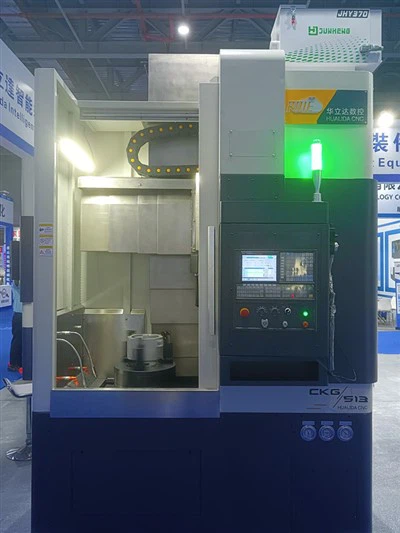
In the world of metalworking and manufacturing, heavy vertical lathes play a pivotal role. These machines are engineered to handle large - scale and high - precision turning operations on heavy workpieces. One crucial aspect of designing a heavy vertical lathe is its dust - proof design. As a leading supplier of Heavy Vertical Lathe, I will take you through the ins and outs of the dust - proof design of heavy vertical lathes in this blog.
The Importance of Dust - Proof Design
Dust and debris are inevitable by - products in the machining process. When it comes to heavy vertical lathes, the presence of dust can pose significant threats to the machine's performance and lifespan.
First and foremost, dust can damage the precision components of a heavy vertical lathe. For example, if dust particles enter the linear guides or ball screws, it can cause accelerated wear and tear. The linear guides are responsible for the accurate movement of the machine's axes. Even a small amount of dust can disrupt the smooth sliding motion, leading to positioning inaccuracies and reduced machining precision. Similarly, dust in the ball screws can increase friction, which not only affects the efficiency of power transmission but also shortens the service life of these critical components.
Secondly, dust can have a negative impact on the electrical and electronic systems of the lathe. Electrical cabinets and control panels house sensitive circuits and components. Dust accumulation on these parts can lead to electrical short - circuits, overheating, and malfunctions. This can result in unexpected machine downtime, which is costly for manufacturers in terms of lost production time and repair expenses.
Moreover, from an environmental and health perspective, dust generated during machining can be harmful to the operators. Inhaling metal dust can cause various respiratory problems. A well - designed dust - proof system can help contain the dust within the machine, reducing the risk of exposure to operators and creating a safer working environment.
Key Components of Dust - Proof Design
Enclosure Design
The enclosure of a heavy vertical lathe is the first line of defense against dust. A fully - enclosed design can effectively prevent dust from escaping into the surrounding environment. The enclosure is usually made of high - strength steel or other durable materials. It is designed to fit closely around the working area of the lathe, with minimal gaps.
Access doors and windows on the enclosure are also critical. They are equipped with rubber seals to ensure a tight fit when closed. Transparent viewing windows are often installed on the enclosure, allowing operators to monitor the machining process without opening the doors and letting dust out. Additionally, the enclosure can be designed with an air - tight structure, which can be pressurized slightly to prevent dust from entering through small openings.
Chip Conveyor and Collection System
A reliable chip conveyor and collection system are essential for dust control. During the machining process, large amounts of chips and dust are produced. The chip conveyor is responsible for removing these chips from the working area in a timely manner. There are different types of chip conveyors, such as chain - type, screw - type, and belt - type conveyors.
The collected chips are then transported to a chip collection bin. This bin should be designed to prevent dust from escaping. It can be equipped with a sealed lid and a dust - filtering unit. The dust - filtering unit can capture fine dust particles that are carried along with the chips, further reducing the amount of dust in the working environment.
Spindle Sealing
The spindle is one of the most important parts of a heavy vertical lathe. A good spindle sealing design is crucial to prevent dust from entering the spindle bearings. The spindle sealing usually consists of multiple seals, such as lip seals and labyrinth seals.
Lip seals are made of rubber or other elastic materials and are designed to fit tightly around the spindle shaft. They can effectively block the entry of dust and coolant. Labyrinth seals, on the other hand, use a series of grooves and channels to create a tortuous path for dust particles. This makes it difficult for dust to penetrate into the spindle bearings, ensuring their long - term reliability and performance.
Slideway Protection
The slideways of a heavy vertical lathe are prone to dust accumulation. To protect the slideways, telescopic covers or bellows are often used. These covers are made of flexible materials and are designed to expand and contract as the machine moves. They can prevent dust, chips, and coolant from reaching the slideways, reducing wear and tear and ensuring smooth movement of the machine's axes.
In addition to physical covers, lubrication systems are also important for slideway protection. A proper lubrication system can form a thin film on the slideways, which not only reduces friction but also helps to flush away any dust particles that may have entered the slideway area.
Advanced Dust - Proof Technologies
Air Curtain System
An air curtain system can be installed at the entrance of the machine's working area or around the spindle. This system uses high - speed air jets to create an invisible barrier. The air curtain can prevent dust from entering or escaping the working area by deflecting the dust - laden air. It is an effective way to enhance the dust - proof performance of the lathe, especially in situations where there are frequent openings and closings of access doors.
Dust Extraction and Filtration Systems
Modern heavy vertical lathes are often equipped with advanced dust extraction and filtration systems. These systems work by sucking in the dust - laden air from the working area. The air is then passed through a series of filters, such as cartridge filters or bag filters.
Cartridge filters are known for their high filtration efficiency and large dust - holding capacity. They can capture fine dust particles with a high degree of accuracy. Bag filters, on the other hand, are more suitable for capturing larger dust particles. The filtered air is then released back into the environment, while the collected dust is removed from the filters and disposed of properly.
Comparison with Other Lathe Types
When compared to other types of lathes, such as Large Cutting Vertical Lathe and Heavy Cutting and Vertical Lathe, the dust - proof requirements of heavy vertical lathes are often more stringent.
Large cutting vertical lathes are designed to perform heavy - duty cutting operations on large workpieces. The cutting forces are high, and more chips and dust are generated. Therefore, they require a more robust dust - proof design, especially in terms of the enclosure and chip conveyor systems.
Heavy cutting and vertical lathes, on the other hand, are focused on high - power cutting. The high - speed rotation of the spindle and the intense cutting process can generate a large amount of dust and heat. In addition to the basic dust - proof measures, these lathes may also require additional cooling and ventilation systems to ensure the proper functioning of the machine and to prevent overheating caused by dust accumulation.
Conclusion
In conclusion, the dust - proof design of a heavy vertical lathe is a complex and multi - faceted engineering task. It involves the design of enclosures, chip conveyor systems, spindle seals, slideway protection, and the application of advanced technologies such as air curtain systems and dust extraction and filtration systems.

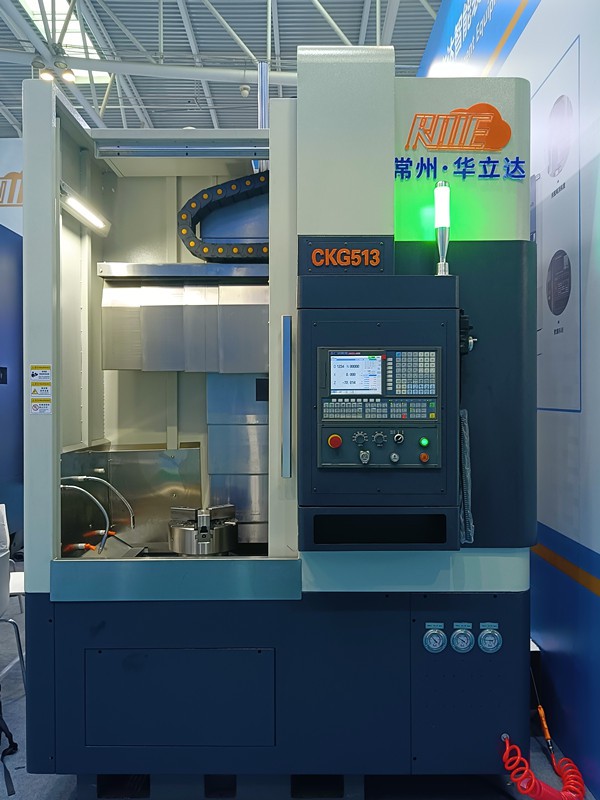
A well - designed dust - proof system can not only protect the machine's components, improve its performance and lifespan, but also create a safer and healthier working environment for operators. As a supplier of heavy vertical lathes, we understand the importance of dust - proof design and are committed to providing our customers with machines that meet the highest standards in this aspect.
If you are in the market for a heavy vertical lathe or need more information about our dust - proof design solutions, we encourage you to contact us for further discussion and possible procurement. We are ready to work with you to find the best solution for your specific machining needs.
References
- "Manufacturing Engineering and Technology" by Serope Kalpakjian and Steven Schmid
- "Modern Machine Shop" magazine, various issues related to heavy vertical lathe design and maintenance.