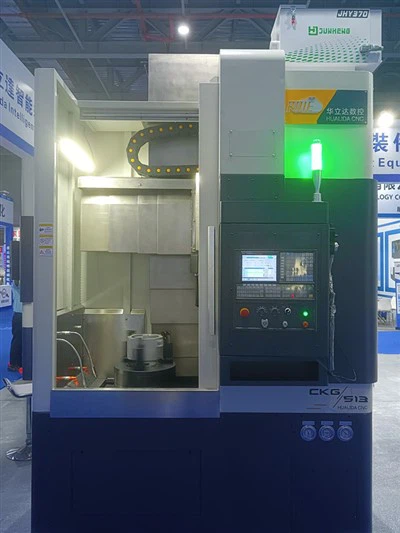
Hey there! As a supplier of New Vertical Lathes, I've seen my fair share of issues that customers run into. In this blog, I'll talk about some common problems with these machines and how to solve them.
1. Poor Surface Finish
One of the most common complaints I hear from customers is a poor surface finish on the workpieces. This can be a real headache, especially when you're trying to meet tight quality standards.
Causes
- Tool Wear: Over time, cutting tools can wear down. When this happens, they can't cut as smoothly, leading to a rough surface finish.
- Incorrect Cutting Parameters: If the cutting speed, feed rate, or depth of cut are set incorrectly, it can also result in a poor surface finish. For example, if the feed rate is too high, the tool might tear through the material instead of making a clean cut.
- Chip Evacuation Issues: When chips aren't removed properly, they can get in the way of the cutting process, causing the surface to become rough.
Solutions
- Replace Worn Tools: Regularly check your cutting tools and replace them when they start to show signs of wear. This will ensure that you're always getting a clean cut.
- Optimize Cutting Parameters: Take the time to experiment with different cutting speeds, feed rates, and depths of cut. You can also refer to the machine's manual or consult with an expert to find the best settings for your specific material and application.
- Improve Chip Evacuation: Make sure your chip conveyor is working properly and that there are no blockages. You can also use coolant to help flush the chips away from the cutting area.
2. Spindle Vibration
Spindle vibration is another common problem that can affect the performance of your New Vertical Lathe. It can lead to inaccurate machining, premature tool wear, and even damage to the machine itself.
Causes
- Unbalanced Spindle: If the spindle isn't balanced correctly, it can cause vibration. This can happen if there's a buildup of debris on the spindle or if the spindle bearings are worn.
- Loose Components: Loose belts, pulleys, or other components can also cause vibration. Over time, these parts can become loose due to normal wear and tear.
- Incorrect Spindle Speed: Running the spindle at the wrong speed can also lead to vibration. Each material has an optimal spindle speed range, and running outside of this range can cause problems.
Solutions
- Balance the Spindle: Have a professional balance the spindle to ensure that it's running smoothly. They can use specialized equipment to measure the imbalance and make the necessary adjustments.
- Tighten Loose Components: Regularly check all the components of your lathe and tighten any that are loose. This will help to reduce vibration and prevent further damage.
- Adjust Spindle Speed: Make sure you're running the spindle at the correct speed for the material you're machining. You can refer to the machine's manual or consult with an expert to find the right speed.
3. Hydraulic System Problems
Many New Vertical Lathes use hydraulic systems to power various functions, such as the clamping mechanism and the tool turret. When these systems develop problems, it can cause the machine to malfunction.
Causes
- Hydraulic Fluid Contamination: Over time, hydraulic fluid can become contaminated with dirt, debris, or water. This can cause the hydraulic components to wear out faster and can lead to system failures.
- Leaking Hydraulic Hoses: If the hydraulic hoses are damaged or worn, they can start to leak. This can result in a loss of pressure and can cause the machine to operate erratically.
- Faulty Hydraulic Pumps or Valves: The hydraulic pump and valves are critical components of the hydraulic system. If they malfunction, it can cause the system to stop working altogether.
Solutions
- Change the Hydraulic Fluid Regularly: Follow the manufacturer's recommendations for changing the hydraulic fluid. This will help to keep the system clean and prevent contamination.
- Inspect and Replace Hydraulic Hoses: Regularly check the hydraulic hoses for signs of damage or wear. If you notice any leaks or cracks, replace the hoses immediately.
- Repair or Replace Faulty Components: If you suspect that the hydraulic pump or valves are faulty, have them inspected and repaired by a professional. In some cases, it may be necessary to replace these components.
4. CNC Control Issues
The CNC (Computer Numerical Control) system is the brain of your New Vertical Lathe. When it develops problems, it can cause the machine to stop working or to produce inaccurate results.
Causes
- Software Glitches: Like any computer system, the CNC software can sometimes develop glitches or bugs. This can cause the machine to behave erratically or to stop working altogether.
- Electrical Problems: Electrical issues, such as loose connections or faulty wiring, can also affect the performance of the CNC system.
- Operator Error: Sometimes, the problem isn't with the machine itself, but with the operator. If the operator enters the wrong commands or settings, it can cause the machine to produce inaccurate results.
Solutions
- Update the CNC Software: Regularly check for software updates and install them as soon as they become available. This will help to fix any glitches or bugs in the system.
- Check the Electrical Connections: Make sure all the electrical connections are tight and that there are no signs of damage or corrosion. If you notice any problems, have them repaired by a professional.
- Provide Operator Training: Make sure your operators are properly trained on how to use the CNC system. Provide them with clear instructions and guidelines, and encourage them to ask questions if they're unsure about something.
5. Tool Turret Indexing Problems
The tool turret is an important component of your New Vertical Lathe. It allows you to quickly and easily change between different cutting tools. When it develops indexing problems, it can cause delays and inaccuracies in the machining process.
Causes
- Mechanical Wear: Over time, the mechanical components of the tool turret can wear out, causing it to become misaligned or to index incorrectly.
- Electrical or Hydraulic Issues: Problems with the electrical or hydraulic systems that control the tool turret can also cause indexing problems.
- Incorrect Tool Installation: If the tools aren't installed correctly in the tool turret, it can cause the turret to malfunction.
Solutions
- Regular Maintenance: Perform regular maintenance on the tool turret, including lubrication and inspection of the mechanical components. This will help to prevent wear and ensure that the turret is working properly.
- Check the Electrical and Hydraulic Systems: Make sure the electrical and hydraulic systems that control the tool turret are working correctly. If you notice any problems, have them repaired by a professional.
- Proper Tool Installation: Train your operators on how to install tools correctly in the tool turret. Make sure they follow the manufacturer's instructions and use the correct tools and fixtures.
Conclusion
As you can see, there are several common problems that can affect the performance of your New Vertical Lathe. However, by being aware of these issues and taking the necessary steps to prevent and solve them, you can keep your machine running smoothly and efficiently.
If you're in the market for a New Vertical Lathe, we offer a range of high-quality machines, including the CKG518 CNC Vertical Lathe, CKG514 CNC Vertical Lathe, and CKG516 CNC Vertical Lathe. Our machines are built to last and are backed by our excellent customer service and support.
If you have any questions or would like to discuss your specific needs, please don't hesitate to contact us. We'd be happy to help you find the perfect New Vertical Lathe for your business.


References
- Machinery's Handbook, 31st Edition
- New Vertical Lathe Operator's Manuals