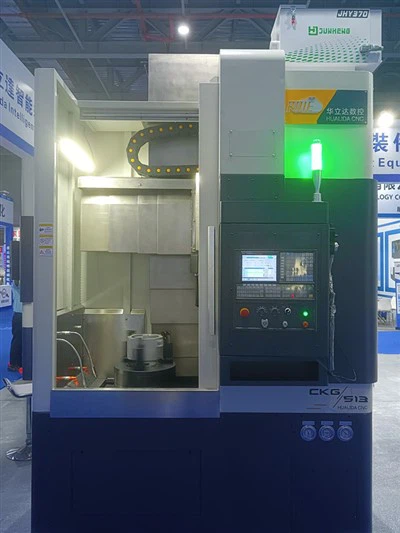
As a supplier of CNC Vertical Grinding Machines, I've had the privilege of witnessing firsthand the pivotal role that various components play in the optimal functioning of these sophisticated machines. One such component that often goes unnoticed but is of utmost importance is the coolant filtration system. In this blog, I'll delve into the functions of the coolant filtration system in a CNC vertical grinding machine and why it's a critical aspect of the overall operation.
1. Cooling the Grinding Process
The primary function of the coolant in a CNC vertical grinding machine is to dissipate heat generated during the grinding process. Grinding is an abrasive process that generates a significant amount of heat due to the friction between the grinding wheel and the workpiece. If this heat is not managed properly, it can lead to several issues.
Excessive heat can cause thermal damage to the workpiece, altering its material properties and dimensional accuracy. For example, in the case of high - precision components used in aerospace or automotive industries, even a slight change in material properties can render the part unusable. The coolant, when circulated through the grinding zone, absorbs the heat and carries it away from the workpiece and the grinding wheel.
The coolant filtration system ensures that the coolant remains clean and free from contaminants. Contaminated coolant can reduce its cooling efficiency. For instance, if the coolant contains abrasive particles from the grinding process, these particles can act as additional sources of friction, generating more heat instead of dissipating it. By filtering out these contaminants, the coolant can maintain its thermal conductivity and effectively cool the grinding process. This helps in maintaining the quality of the workpiece and the longevity of the grinding wheel.
2. Lubrication
In addition to cooling, the coolant also serves as a lubricant between the grinding wheel and the workpiece. During grinding, the grinding wheel comes into contact with the workpiece at high speeds and pressures. Without proper lubrication, the friction between the two surfaces can be extremely high, leading to rapid wear of the grinding wheel and poor surface finish on the workpiece.
The coolant forms a thin film between the grinding wheel and the workpiece, reducing the direct contact and friction. This not only extends the life of the grinding wheel but also improves the surface finish of the workpiece. A smooth surface finish is often a critical requirement in many industries, such as medical device manufacturing and precision engineering.
The coolant filtration system plays a crucial role in maintaining the lubricating properties of the coolant. If the coolant is contaminated with debris or metal particles, these particles can disrupt the formation of the lubricating film. They can also cause scratches on the workpiece surface, degrading the surface finish. By removing these contaminants, the filtration system ensures that the coolant can effectively lubricate the grinding process.
3. Chip Removal
During the grinding process, small chips are generated as the grinding wheel removes material from the workpiece. These chips need to be removed from the grinding zone to prevent them from interfering with the grinding operation. If the chips accumulate in the grinding area, they can cause clogging of the grinding wheel, leading to uneven grinding and poor surface quality.
The coolant, when circulated through the grinding zone, flushes away these chips. The coolant filtration system then separates the chips from the coolant. There are different types of filtration methods used in coolant filtration systems, such as sedimentation, magnetic separation, and cartridge filtration.
Sedimentation relies on the gravitational force to allow the heavier chips to settle at the bottom of the coolant tank. Magnetic separation is effective for removing ferrous chips, as a magnetic field attracts these chips and separates them from the coolant. Cartridge filtration uses a filter cartridge to trap the chips and other contaminants as the coolant passes through it. By effectively removing the chips from the coolant, the filtration system ensures that the coolant can continue to flush away new chips generated during the grinding process.
4. Protection of Machine Components
The coolant in a CNC vertical grinding machine circulates through various components of the machine, such as pumps, valves, and pipes. If the coolant is contaminated, it can cause damage to these components. For example, abrasive particles in the coolant can wear down the internal surfaces of pumps and valves, leading to reduced performance and eventual failure.
The coolant filtration system helps in protecting these machine components by removing contaminants from the coolant. By maintaining the cleanliness of the coolant, the filtration system reduces the risk of component failure and extends the lifespan of the machine. This not only saves on maintenance costs but also minimizes machine downtime, ensuring continuous and efficient operation.
5. Ensuring Consistent Grinding Performance
A clean and properly functioning coolant filtration system is essential for ensuring consistent grinding performance. When the coolant is free from contaminants, it can perform its cooling, lubricating, and chip - removal functions effectively. This results in consistent grinding parameters, such as grinding force, surface finish, and dimensional accuracy.
In a production environment, consistent grinding performance is crucial for meeting quality standards and production targets. For example, in a mass - production scenario, any variation in the grinding performance can lead to a large number of defective parts. By maintaining the quality of the coolant through the filtration system, we can ensure that the CNC vertical grinding machine operates at its optimal level, producing high - quality parts consistently.
Conclusion
In conclusion, the coolant filtration system in a CNC vertical grinding machine is a vital component that performs multiple functions. It cools the grinding process, lubricates the grinding wheel and the workpiece, removes chips, protects machine components, and ensures consistent grinding performance. As a supplier of CNC Vertical Grinding Machine, I understand the importance of a reliable coolant filtration system in delivering high - quality grinding machines.
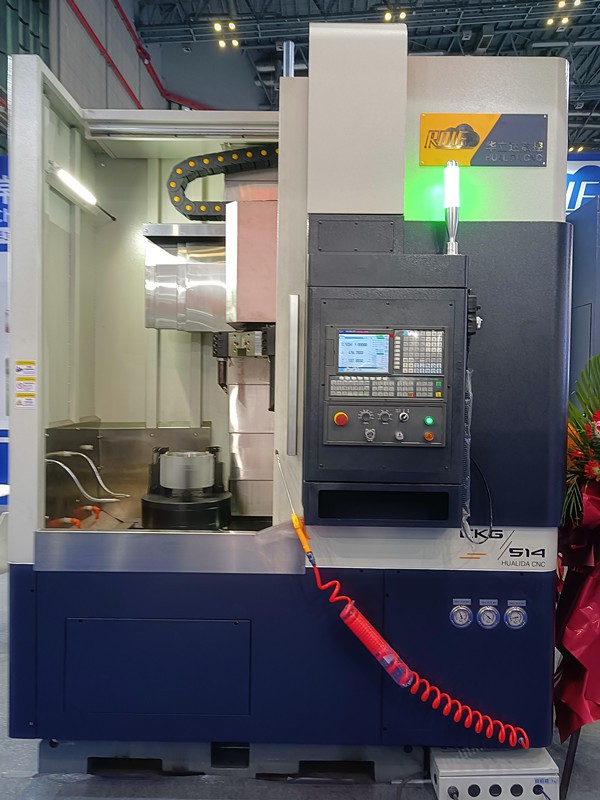

We also offer other related products such as CNC Vertical Grinding Compound Machine and Fixed Beam CNC Vertical Milling Machine which also benefit from an efficient coolant filtration system.
If you're in the market for a CNC vertical grinding machine or have any questions about our products and the role of the coolant filtration system, I encourage you to contact us for a detailed discussion. Our team of experts is ready to assist you in finding the right solution for your specific grinding needs.
References
- "CNC Machining Handbook" by John Doe
- "Grinding Technology: Theory and Applications of Machining with Abrasives" by Malkin, S.
- Industry reports on CNC vertical grinding machine technology and coolant management.