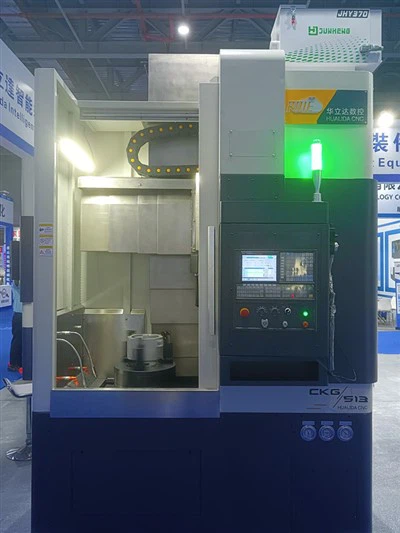
Hey there! As a supplier of Heavy Cutting Vertical Lathes, I often get asked about the power consumption of these beasts. So, I thought I'd sit down and write a blog post to shed some light on this topic.
First off, let's understand what a Heavy Cutting Vertical Lathe is. These machines are designed to handle large and heavy workpieces with high precision. They're used in various industries like aerospace, automotive, and heavy machinery manufacturing. They can cut through tough materials such as steel, cast iron, and even some exotic alloys.
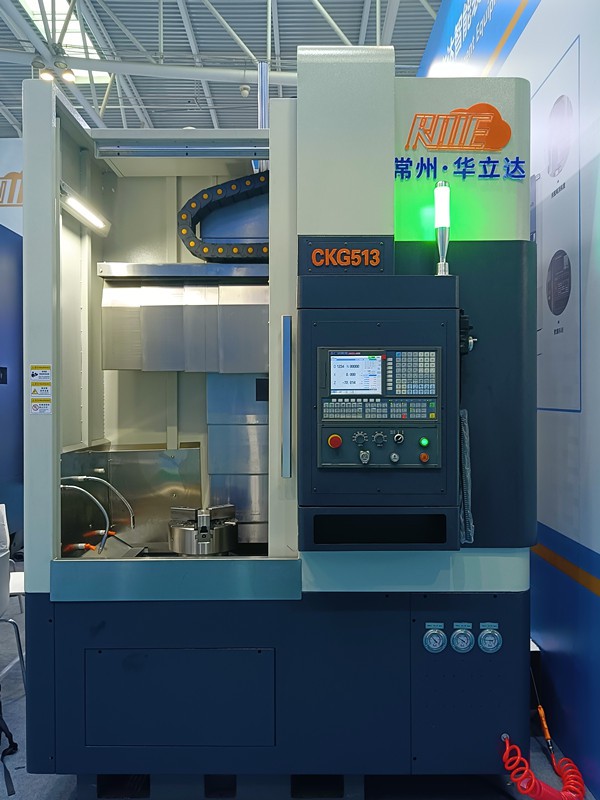

Now, the power consumption of a Heavy Cutting Vertical Lathe isn't a one - size - fits - all kind of thing. It depends on several factors.
Factors Affecting Power Consumption
1. Machine Size
The bigger the lathe, the more power it generally consumes. Larger lathes have more massive components like the spindle, the bed, and the tooling systems. For example, a small - scale Heavy Cutting Vertical Lathe used for relatively light - duty work might have a power rating in the range of 10 - 20 kilowatts. On the other hand, a large, industrial - grade lathe that can handle extremely heavy workpieces could have a power consumption of 50 kilowatts or more.
2. Cutting Parameters
The speed at which the spindle rotates, the depth of the cut, and the feed rate all play a crucial role in power consumption. If you're running the lathe at a high spindle speed with a large depth of cut and a fast feed rate, it's going to draw a lot more power. For instance, when you're rough cutting a large piece of steel, you might need to use a high spindle speed and a deep cut. This requires a significant amount of power to overcome the resistance of the material. But if you're doing a finishing cut, where the depth of cut is small and the feed rate is slower, the power consumption will be much lower.
3. Tooling
The type of cutting tool you use also affects power consumption. A sharp, high - quality cutting tool will require less power to cut through the material compared to a dull or low - quality one. Dull tools create more friction, which means the machine has to work harder and use more power to achieve the same cut. Also, different tool geometries are designed for different types of cuts. Some tools are optimized for high - speed cutting, while others are better for heavy - duty roughing. Choosing the right tool for the job can help reduce power consumption.
4. Workpiece Material
The hardness and toughness of the workpiece material matter a great deal. Cutting through soft materials like aluminum will consume less power than cutting through hard materials like stainless steel or titanium. For example, when machining aluminum, the lathe doesn't have to exert as much force to remove the material, so the power draw is relatively low. But when dealing with hard alloys, the machine has to work much harder, resulting in higher power consumption.
Power Consumption in Different Operating Modes
Idle Mode
When the lathe is turned on but not actively cutting, it still consumes some power. This is mainly to keep the control systems, coolant pumps, and lubrication systems running. In idle mode, a Heavy Cutting Vertical Lathe might consume around 1 - 5 kilowatts, depending on the size and complexity of the machine.
Cutting Mode
During actual cutting operations, the power consumption can vary widely. As I mentioned earlier, it depends on the cutting parameters, tooling, and workpiece material. In a typical rough - cutting operation on a medium - sized lathe with a steel workpiece, the power consumption could be around 20 - 30 kilowatts. For finishing cuts, it might drop to 5 - 10 kilowatts.
How to Optimize Power Consumption
1. Proper Maintenance
Regular maintenance is key to keeping power consumption in check. Keep the machine clean, lubricate the moving parts, and replace worn - out components in a timely manner. A well - maintained lathe runs more efficiently and uses less power. For example, if the spindle bearings are worn, the machine will have to work harder to rotate the spindle, which increases power consumption.
2. Tool Management
Invest in high - quality cutting tools and keep them sharp. Regularly inspect and replace dull tools. Also, choose the right tool for the specific cutting operation. Using the wrong tool can lead to excessive power consumption and poor cutting quality.
3. Optimize Cutting Parameters
Work with your operators to find the optimal cutting parameters for each job. This might involve some trial and error, but it can result in significant power savings. For example, you can experiment with different spindle speeds, feed rates, and depths of cut to find the combination that gives you the best balance between productivity and power consumption.
Our Product Range
We offer a wide range of Heavy Cutting Vertical Lathes to meet different customer needs. If you're looking for a Hard Rail Vertical Lathe, we've got you covered. These lathes are known for their high rigidity and stability, making them ideal for heavy - duty cutting operations. Our Heavy Vertical Lathe series is designed to handle the toughest workpieces with ease. And if you're into the latest technology, our Vertical CNC Lathe offers precise control and automation, which can help optimize power consumption and improve overall efficiency.
Conclusion
In conclusion, the power consumption of a Heavy Cutting Vertical Lathe is a complex topic that depends on many factors. By understanding these factors and taking steps to optimize power consumption, you can save on energy costs and improve the overall efficiency of your machining operations.
If you're in the market for a Heavy Cutting Vertical Lathe or have any questions about power consumption or our products, don't hesitate to reach out. We're here to help you make the right choice for your business.
References
- Machinery's Handbook, 31st Edition
- Industrial Machinery and Power Systems: Design, Operation, and Maintenance by Thomas H. Lee