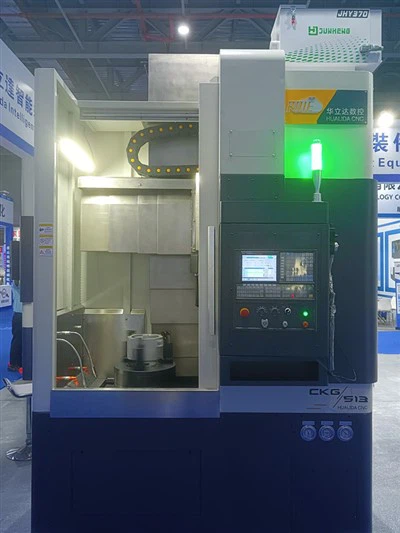
Hey there! I'm a supplier of Large Cutting Vertical Lathes, and today I wanna chat about something super important in the cutting process: the influence of cutting fluid.
First off, let's talk a bit about what a Large Cutting Vertical Lathe is. It's a beast of a machine, used for heavy - duty cutting jobs. You can check out more details about Heavy Cutting and Vertical Lathe and Heavy Cutting Vertical Lathe on our website. These machines are designed to handle large workpieces and perform high - precision cutting operations. And Vertical Lathe Machine is also a great option for various cutting needs.
Now, let's dive into the role of cutting fluid in the cutting process of a Large Cutting Vertical Lathe.
Cooling Effect
One of the most obvious influences of cutting fluid is its cooling effect. When the cutting tool of a Large Cutting Vertical Lathe comes into contact with the workpiece, a huge amount of heat is generated. This heat is mainly due to the friction between the tool and the workpiece, as well as the deformation of the material being cut. If this heat isn't dissipated properly, it can cause a whole bunch of problems.
The cutting fluid acts like a coolant. It absorbs the heat generated during the cutting process and carries it away from the cutting zone. This helps to keep the temperature of the cutting tool and the workpiece within a reasonable range. For example, if the temperature gets too high, the cutting tool can lose its hardness and sharpness. This means it won't be able to cut effectively, and the quality of the cut surface will be poor. With the help of cutting fluid, the tool can maintain its performance for a longer time, which reduces the frequency of tool replacement and saves costs.
Lubrication
Another key influence is lubrication. In the cutting process of a Large Cutting Vertical Lathe, there's a lot of friction between the cutting tool and the workpiece. This friction not only generates heat but also causes wear on the tool. Cutting fluid acts as a lubricant, reducing the friction coefficient between the tool and the workpiece.
When the friction is reduced, the cutting force required to cut the material is also decreased. This makes the cutting process smoother and more efficient. It also helps to extend the life of the cutting tool. For instance, in a heavy - cutting operation where the cutting force is extremely high, the lubricating property of the cutting fluid can prevent the tool from chipping or breaking. This is crucial for maintaining the accuracy and quality of the cut.
Chip Removal
Cutting fluid also plays an important role in chip removal. During the cutting process, chips are produced as the material is removed from the workpiece. These chips need to be removed from the cutting zone quickly to prevent them from interfering with the cutting operation.
The cutting fluid can carry the chips away from the cutting area. It flushes the chips out of the way, ensuring that the cutting tool can continue to work without being blocked by the chips. This is especially important in a Large Cutting Vertical Lathe, where large and thick chips are often produced. If the chips aren't removed properly, they can cause damage to the cutting tool and the workpiece surface.


Surface Quality
The use of cutting fluid can significantly improve the surface quality of the workpiece. By reducing heat and friction, it helps to prevent the formation of rough surfaces, burrs, and other defects. A smooth and clean cut surface is often required in many industrial applications, and cutting fluid can help achieve this.
For example, in the aerospace industry, where high - precision components are produced using Large Cutting Vertical Lathes, the surface quality of the parts is of utmost importance. The cutting fluid ensures that the parts meet the strict quality standards by providing a clean and smooth cut surface.
Corrosion Prevention
In addition to the above functions, cutting fluid can also prevent corrosion. The workpiece and the cutting tool are often made of metal, and they are prone to corrosion when exposed to the environment. The cutting fluid forms a protective film on the surface of the workpiece and the tool, preventing moisture and oxygen from coming into contact with them.
This is especially important in a workshop environment where humidity and other factors can accelerate corrosion. By using cutting fluid, the lifespan of the workpiece and the cutting tool can be extended, and the quality of the parts can be maintained over time.
However, There Are Some Considerations
While cutting fluid has many benefits, there are also some things to keep in mind. The type of cutting fluid used needs to be carefully selected according to the material of the workpiece, the cutting operation, and other factors. For example, different materials may require different types of cutting fluids to achieve the best results.
Also, the disposal of cutting fluid is an environmental concern. Used cutting fluid may contain contaminants such as metal particles, oil, and chemicals. Proper disposal methods need to be followed to ensure that it doesn't cause harm to the environment.
In conclusion, the influence of cutting fluid on the cutting process of a Large Cutting Vertical Lathe is multi - faceted. It affects the cooling, lubrication, chip removal, surface quality, and corrosion prevention. As a supplier of Large Cutting Vertical Lathes, we understand the importance of using the right cutting fluid to optimize the performance of our machines.
If you're in the market for a Large Cutting Vertical Lathe or have any questions about the cutting process and the use of cutting fluid, don't hesitate to reach out. We're here to help you make the best decisions for your production needs. Let's have a chat and see how we can work together to improve your cutting operations.
References
- Boothroyd, G., & Knight, W. A. (2006). Fundamentals of machining and machine tools. CRC Press.
- Kalpakjian, S., & Schmid, S. R. (2013). Manufacturing engineering and technology. Pearson.