


What is the cutting force in a CNC lathe? Well, let's dive right in and break it down in a way that's easy to understand.
First off, if you're not too familiar with CNC lathes, we're a supplier of CNC Lathe and Milling Machine. These machines are super important in the manufacturing world. They're used to shape all sorts of materials, from metals to plastics, into precise parts.
Now, the cutting force in a CNC lathe is basically the force that the cutting tool exerts on the workpiece during the machining process. It's like when you're using a knife to cut through a piece of cheese. The harder you press and the sharper the knife, the easier it is to cut. In a CNC lathe, it's a bit more technical, but the basic idea is the same.
There are a few factors that affect the cutting force. One of the main ones is the type of material you're cutting. Different materials have different properties. For example, cutting through aluminum is a lot easier than cutting through steel. Aluminum is softer and more malleable, so it requires less force to remove material. On the other hand, steel is much harder and more resistant, so the cutting tool has to work harder, which means a higher cutting force is needed.
The geometry of the cutting tool also plays a huge role. A sharp and well - designed cutting tool will require less force to cut through the material. The rake angle, for instance, affects how the tool interacts with the workpiece. A positive rake angle makes the cutting process a bit easier as it helps to shear the material more effectively. But if the rake angle is too large, the tool might become weak and break under the cutting force.
The depth of cut and the feed rate are two other important factors. The depth of cut is how deep the cutting tool goes into the workpiece. If you increase the depth of cut, you're removing more material at once, which means the cutting force will increase. The feed rate is how fast the cutting tool moves along the workpiece. A higher feed rate means the tool is removing material more quickly, and this also leads to an increase in the cutting force.
So, why is it important to understand the cutting force? Well, for starters, it affects the quality of the machined part. If the cutting force is too high, it can cause the workpiece to deform. This is especially a problem when you're making parts that require high precision. For example, in the aerospace industry, where parts need to be extremely accurate, any deformation can lead to serious problems.
It also has an impact on the tool life. A high cutting force puts more stress on the cutting tool. This can cause the tool to wear out faster, leading to more frequent tool changes. And let's face it, changing tools takes time and money. So, by understanding and controlling the cutting force, you can extend the life of your cutting tools and save on costs.
In addition, the cutting force affects the power consumption of the CNC lathe. A higher cutting force means the machine has to work harder, which uses more electricity. This is not only bad for your energy bill but also for the environment.

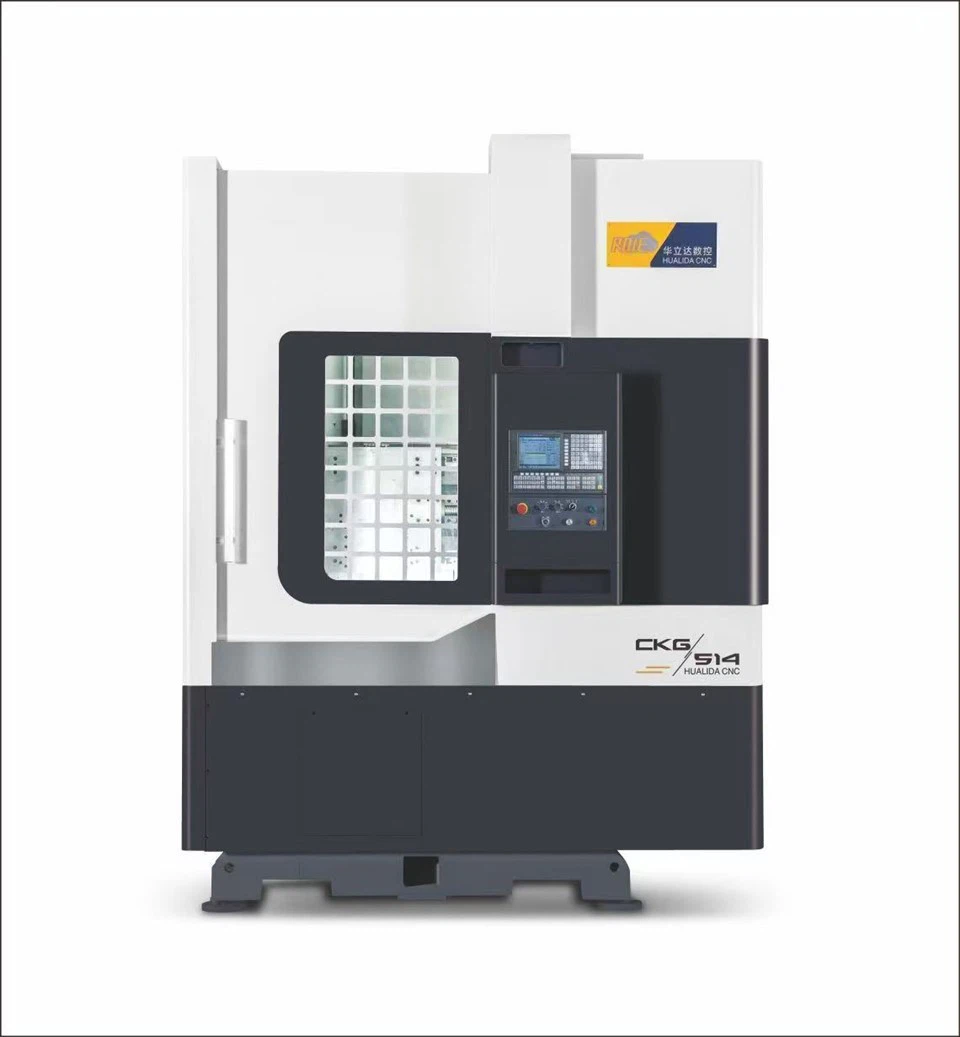
Now, as a CNC Lathe and Milling Machine supplier, we know how important it is to manage the cutting force. Our machines are designed to handle different cutting forces efficiently. We use advanced control systems that can adjust the cutting parameters in real - time based on the cutting force. This ensures that the machining process is not only efficient but also produces high - quality parts.
When it comes to choosing the right cutting tools for your CNC lathe, it's crucial to consider the cutting force. We offer a wide range of CNC Turning and Milling Machine Tools that are optimized for different materials and cutting conditions. Our experts can help you select the best tools to minimize the cutting force and maximize the performance of your machine.
If you're into CNC Turning and Milling, you know that every little detail matters. Understanding the cutting force is just one piece of the puzzle, but it's a very important one. Whether you're a small - scale manufacturer or a large - scale industrial operation, getting a handle on the cutting force can make a big difference in your production process.
We're always here to help you with any questions you might have about cutting force, CNC lathes, or milling machines. If you're interested in purchasing our products or want to learn more about how we can optimize your machining process, don't hesitate to reach out. We're eager to start a conversation and see how we can work together to improve your manufacturing operations.
References
- Machinery's Handbook, Industrial Press Inc.
- Cutting Tool Technology, CRC Press
- Manufacturing Engineering and Technology, Prentice Hall


