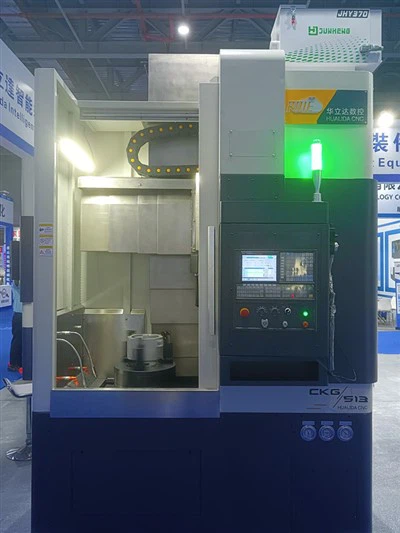
Hey there! As a supplier of Heavy Cutting Vertical Lathes, I've been getting a lot of questions lately about how the worktable material affects the performance of these machines. So, I thought I'd take a deep dive into this topic and share some insights with you.


First off, let's talk about what a heavy cutting vertical lathe is. It's a powerful machine used in various industries for machining large and heavy workpieces. These lathes are designed to handle tough cutting operations, and the worktable is a crucial part of the whole setup.
Cast Iron Worktables
One of the most common materials for worktables in heavy cutting vertical lathes is cast iron. Cast iron has been around for ages in the machining world, and for good reasons.
1. Stability
Cast iron is known for its high density and mass. This gives the worktable excellent stability during heavy cutting operations. When you're taking deep cuts and applying a lot of force, you don't want the worktable to vibrate or move around. The mass of cast iron helps to dampen vibrations, ensuring a smoother cutting process. For example, if you're machining a large steel shaft, the stability provided by a cast iron worktable allows for more accurate cuts and better surface finishes.
2. Wear Resistance
Another great thing about cast iron is its wear resistance. The worktable is constantly in contact with the workpiece and the cutting tools, so it needs to be able to withstand the abrasion. Cast iron has a natural hardness that helps it resist wear over time. This means you won't have to replace the worktable as often, saving you money in the long run.
3. Machinability
Cast iron is relatively easy to machine. This allows for precise manufacturing of the worktable, ensuring that it meets the required specifications. The ability to machine the worktable accurately is important for maintaining the alignment and precision of the lathe.
However, cast iron also has some drawbacks. It's heavy, which can make transportation and installation a bit of a challenge. And it can be prone to cracking if subjected to sudden impacts.
Steel Worktables
Steel is another popular choice for worktable materials in heavy cutting vertical lathes.
1. High Strength
Steel is known for its high strength. It can withstand higher loads and forces compared to cast iron. This makes it a great option for extremely heavy cutting operations. For instance, if you're machining large forgings or thick-walled pipes, a steel worktable can handle the stress without deforming.
2. Impact Resistance
Steel has better impact resistance than cast iron. It can absorb sudden shocks and impacts without cracking. This is especially important in a heavy cutting environment where there may be unexpected forces during the machining process.
3. Weldability
One of the advantages of steel is its weldability. If there's any damage to the worktable, it can be easily repaired by welding. This is a cost-effective way to extend the lifespan of the worktable.
But steel also has its downsides. It's more expensive than cast iron, and it can be more difficult to machine to the same level of precision as cast iron.
Granite Worktables
Granite is a less common but still viable option for worktable materials.
1. Thermal Stability
Granite has excellent thermal stability. It doesn't expand or contract much with changes in temperature. This is crucial for maintaining the accuracy of the machining process, especially in environments where the temperature can vary. For example, in a large manufacturing facility where the temperature may fluctuate throughout the day, a granite worktable can help ensure consistent results.
2. High Flatness
Granite can be polished to a very high level of flatness. This is important for ensuring that the workpiece is properly supported and that the cutting tools can make accurate cuts. The flat surface of a granite worktable also helps to prevent uneven wear on the workpiece.
3. Corrosion Resistance
Granite is resistant to corrosion, which is a big plus in a machining environment where there may be exposure to cutting fluids and other chemicals.
However, granite is brittle and can be easily damaged if subjected to heavy impacts. It's also quite expensive and difficult to repair if damaged.
How the Worktable Material Affects the Overall Performance
The choice of worktable material can have a significant impact on the performance of a heavy cutting vertical lathe.
1. Accuracy
As we've seen, different materials have different levels of stability and flatness. A worktable made of a material with high stability and flatness, such as granite or cast iron, will generally result in more accurate machining. This is because it provides a solid foundation for the workpiece, reducing the chances of errors during the cutting process.
2. Surface Finish
The worktable material can also affect the surface finish of the machined workpiece. A stable worktable helps to reduce vibrations, which in turn leads to a better surface finish. For example, a cast iron worktable's ability to dampen vibrations can result in a smoother surface on the machined part.
3. Tool Life
The wear resistance of the worktable material can impact the life of the cutting tools. A worktable that is resistant to wear, like cast iron or steel, will cause less abrasion on the cutting tools. This means the tools will last longer, reducing the cost of tool replacement.
4. Productivity
A worktable made of a suitable material can improve productivity. For example, a steel worktable's high strength allows for faster and more aggressive cutting operations, reducing the machining time. And a worktable that is easy to maintain, like one made of cast iron, can minimize downtime for repairs and replacements.
Conclusion
In conclusion, the worktable material plays a crucial role in the performance of a heavy cutting vertical lathe. Each material - cast iron, steel, and granite - has its own advantages and disadvantages. When choosing a worktable material, you need to consider factors such as the type of machining operations you'll be performing, the level of accuracy required, and your budget.
If you're in the market for a Heavy Cutting Vertical Lathe, or if you're looking to upgrade your existing lathe's worktable, I'd be more than happy to help. We offer a range of heavy cutting vertical lathes with different worktable materials to suit your specific needs. Whether you need a Hard Rail Vertical Lathe for precise machining or a Heavy Cutting and Vertical Lathe for tough jobs, we've got you covered.
Don't hesitate to reach out if you have any questions or if you'd like to discuss your requirements further. I'm here to help you make the best choice for your machining needs.
References
- Smith, J. (2020). "Materials for Machine Tool Components." Machining Technology Journal.
- Brown, A. (2019). "The Impact of Worktable Material on Machining Performance." Manufacturing Insights Magazine.