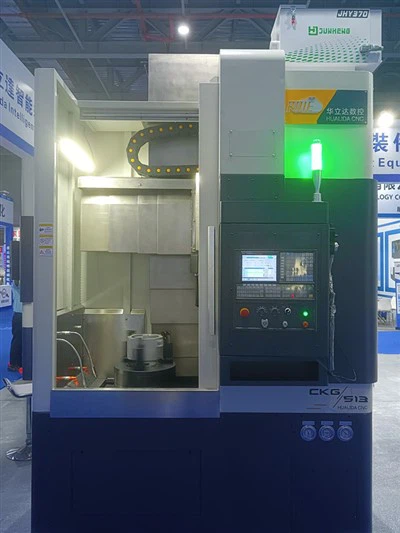
As a supplier of Hard Rail Vertical Lathes, I often encounter inquiries regarding the power consumption of these machines. Understanding the power consumption of a Hard Rail Vertical Lathe is crucial for businesses aiming to optimize their production costs and energy efficiency. In this blog post, I'll delve into the factors influencing the power consumption of a Hard Rail Vertical Lathe and provide insights to help you make informed decisions.
Factors Affecting Power Consumption
Machine Size and Specifications
The size and specifications of a Hard Rail Vertical Lathe play a significant role in determining its power consumption. Larger machines with greater cutting capacities typically require more power to operate. For instance, a Heavy Vertical Lathe designed for heavy-duty machining tasks will consume more power compared to a smaller, standard model. The weight of the machine, the size of the spindle, and the power of the motor are all factors that contribute to increased power consumption.
Cutting Parameters
The cutting parameters used during machining operations also have a direct impact on power consumption. Parameters such as cutting speed, feed rate, and depth of cut influence the amount of force required to remove material from the workpiece. Higher cutting speeds and deeper cuts generally result in increased power consumption as the machine needs to work harder to overcome the resistance of the material. By optimizing these cutting parameters, operators can reduce power consumption without sacrificing productivity.
Workpiece Material
The type of material being machined can significantly affect the power consumption of a Hard Rail Vertical Lathe. Harder materials, such as stainless steel and titanium, require more force to cut through compared to softer materials like aluminum or brass. As a result, machining harder materials typically consumes more power. Additionally, the material's hardness, density, and thermal conductivity can influence the cutting process and, consequently, the power requirements of the machine.
Machine Efficiency
The efficiency of the Hard Rail Vertical Lathe itself is another critical factor in power consumption. Well-maintained machines with properly lubricated components and sharp cutting tools operate more efficiently and consume less power. Regular maintenance, including tool changes, lubrication, and alignment checks, can help ensure that the machine is running at its optimal efficiency. Additionally, modern machines are often equipped with advanced control systems that can automatically adjust the cutting parameters to optimize power consumption based on the workpiece material and machining requirements.
Measuring Power Consumption
To accurately determine the power consumption of a Hard Rail Vertical Lathe, it is essential to measure the electrical energy used by the machine during operation. This can be done using a power meter, which measures the electrical power (in kilowatts) consumed by the machine over a specific period. By monitoring the power consumption of the machine during different machining operations, operators can identify opportunities to reduce energy usage and optimize the cutting process.
Strategies to Reduce Power Consumption
Optimize Cutting Parameters
As mentioned earlier, optimizing the cutting parameters is one of the most effective ways to reduce power consumption. By selecting the appropriate cutting speed, feed rate, and depth of cut for the workpiece material and machining operation, operators can minimize the amount of force required to remove material and, consequently, reduce power consumption. Additionally, using advanced cutting tools and techniques, such as high-speed machining and trochoidal milling, can further improve cutting efficiency and reduce power consumption.
Implement Energy Management Systems
Many modern Hard Rail Vertical Lathes are equipped with energy management systems that can automatically adjust the machine's power consumption based on the machining requirements. These systems can monitor the cutting process in real-time and adjust the cutting parameters, spindle speed, and other settings to optimize energy usage. By implementing an energy management system, operators can reduce power consumption without sacrificing productivity.
Upgrade to Energy-Efficient Components
Upgrading to energy-efficient components, such as high-efficiency motors and drives, can also help reduce the power consumption of a Hard Rail Vertical Lathe. These components are designed to operate more efficiently, converting electrical energy into mechanical energy with less waste. Additionally, using energy-efficient lighting and cooling systems in the machining environment can further reduce overall energy consumption.

Conduct Regular Maintenance
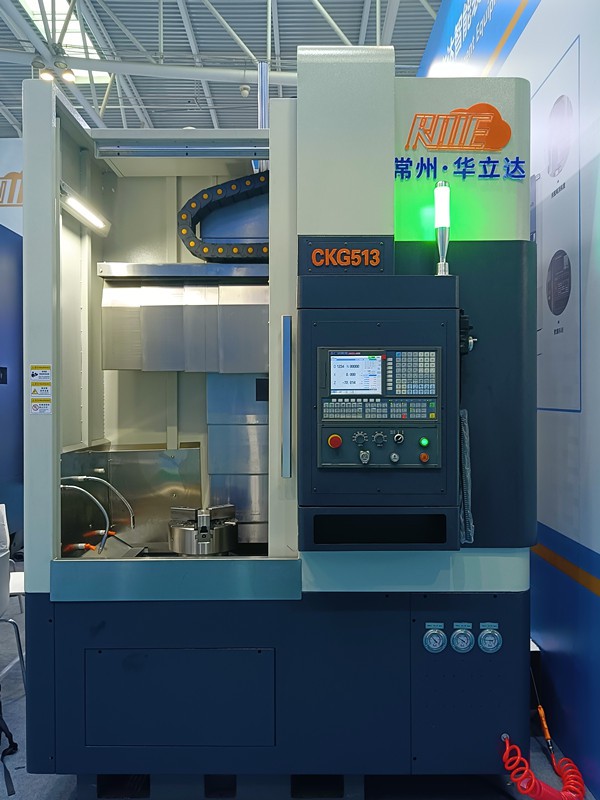
Regular maintenance is essential for ensuring the optimal performance and energy efficiency of a Hard Rail Vertical Lathe. By keeping the machine clean, lubricated, and properly aligned, operators can reduce friction and wear, which can lead to increased power consumption. Additionally, replacing worn or damaged components, such as cutting tools and bearings, can help improve the machine's efficiency and reduce power consumption.
Conclusion
Understanding the power consumption of a Hard Rail Vertical Lathe is crucial for businesses looking to optimize their production costs and energy efficiency. By considering the factors that influence power consumption, measuring the electrical energy used by the machine, and implementing strategies to reduce energy usage, operators can minimize the environmental impact of their machining operations while improving their bottom line. As a supplier of Vertical Lathe Machine, we are committed to providing our customers with high-quality machines that are not only powerful and reliable but also energy-efficient. If you have any questions or would like to learn more about our Hard Rail Vertical Lathes and how they can help you reduce power consumption, please don't hesitate to contact us. We look forward to working with you to meet your machining needs.