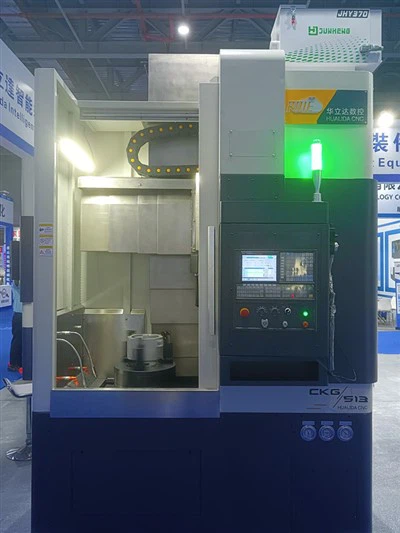
Selecting the right coolant for a high-speed vertical lathe is a crucial decision that can significantly impact the performance, efficiency, and longevity of the machine. As a supplier of high-speed vertical lathes, including models like the CKG518 CNC Vertical Turning Lathe, CKG516 CNC Vertical Turning Lathe, and New Vertical Lathe, I understand the importance of this choice and its implications for our customers. In this blog, I'll share some key considerations and guidelines to help you make an informed decision.
Understanding the Role of Coolant in High-Speed Vertical Lathes
Before delving into the selection process, it's essential to understand why coolant is so important in high-speed vertical lathes. Coolant serves several critical functions:
- Heat Dissipation: High-speed machining generates a significant amount of heat due to the friction between the cutting tool and the workpiece. Coolant helps to dissipate this heat, preventing overheating of the tool and the workpiece. This not only extends the tool life but also improves the surface finish of the machined part.
- Chip Removal: During the machining process, chips are produced as the cutting tool removes material from the workpiece. Coolant helps to flush these chips away from the cutting area, preventing them from interfering with the cutting process and reducing the risk of tool breakage.
- Lubrication: Coolant provides lubrication between the cutting tool and the workpiece, reducing friction and wear. This results in smoother cutting operations, lower power consumption, and improved dimensional accuracy of the machined part.
- Corrosion Prevention: Coolant can also protect the machine components and the workpiece from corrosion, especially when machining materials that are prone to rusting.
Factors to Consider When Selecting Coolant
When selecting a coolant for your high-speed vertical lathe, you need to consider several factors:
1. Machining Material
The type of material you are machining is one of the most important factors in coolant selection. Different materials have different machining characteristics and require different types of coolant. For example:
- Metals: For machining metals such as steel, aluminum, and brass, water-based coolants are commonly used. These coolants offer good heat dissipation and chip removal properties. However, the specific formulation of the coolant may vary depending on the type of metal. For instance, when machining aluminum, a coolant with good lubrication properties is required to prevent built-up edge on the cutting tool.
- Non-Metals: When machining non-metallic materials such as plastics and composites, a different type of coolant may be required. Some non-metals are sensitive to certain chemicals in the coolant, so it's important to choose a coolant that is compatible with the material.
2. Cutting Speed and Feed Rate
The cutting speed and feed rate of your high-speed vertical lathe also influence the coolant selection. Higher cutting speeds and feed rates generate more heat and require a coolant with better heat dissipation properties. In general, synthetic coolants are better suited for high-speed machining applications due to their excellent cooling performance.
3. Tool Material
The type of cutting tool you are using is another important consideration. Different tool materials have different requirements for coolant. For example, carbide tools are more heat-resistant than high-speed steel tools and may require a coolant with better lubrication properties to prevent chipping and wear.
4. Machine Design and Configuration
The design and configuration of your high-speed vertical lathe can also affect the coolant selection. Some machines have specific requirements for coolant flow rate, pressure, and nozzle placement. Make sure to consult the machine manufacturer's recommendations to ensure that the coolant you choose is compatible with your machine.
5. Environmental and Health Considerations
In today's environmentally conscious world, it's important to consider the environmental and health impacts of the coolant you choose. Water-based coolants are generally more environmentally friendly than oil-based coolants, as they are biodegradable and have lower toxicity. However, some water-based coolants may contain chemicals that can be harmful to human health, so it's important to choose a coolant that meets the relevant safety standards.
Types of Coolants for High-Speed Vertical Lathes
There are several types of coolants available for high-speed vertical lathes, each with its own advantages and disadvantages:


1. Water-Based Coolants
Water-based coolants are the most commonly used type of coolant in high-speed vertical lathes. They are made by mixing water with additives such as corrosion inhibitors, lubricants, and biocides. Water-based coolants offer several benefits:
- Good Heat Dissipation: Water has excellent heat transfer properties, making water-based coolants effective at dissipating heat generated during machining.
- Low Cost: Water is a readily available and inexpensive resource, making water-based coolants more cost-effective than oil-based coolants.
- Environmentally Friendly: Water-based coolants are generally more environmentally friendly than oil-based coolants, as they are biodegradable and have lower toxicity.
However, water-based coolants also have some limitations. They are more prone to bacterial growth, which can cause unpleasant odors and reduce the effectiveness of the coolant. Regular monitoring and maintenance are required to prevent bacterial contamination.
2. Oil-Based Coolants
Oil-based coolants are made from mineral oils or synthetic oils and offer excellent lubrication properties. They are suitable for machining applications that require high levels of lubrication, such as heavy-duty machining of tough metals. Oil-based coolants have the following advantages:
- Excellent Lubrication: Oil-based coolants provide superior lubrication compared to water-based coolants, reducing friction and wear on the cutting tool.
- Longer Tool Life: The excellent lubrication properties of oil-based coolants can extend the tool life, especially when machining difficult-to-cut materials.
- Resistance to Bacterial Growth: Oil-based coolants are less prone to bacterial growth than water-based coolants, which means they require less maintenance.
However, oil-based coolants also have some drawbacks. They are more expensive than water-based coolants, and they can pose a fire hazard if not handled properly. Additionally, oil-based coolants are less effective at dissipating heat than water-based coolants.
3. Synthetic Coolants
Synthetic coolants are a type of water-based coolant that is made from synthetic polymers. They offer a combination of the benefits of water-based and oil-based coolants:
- Excellent Heat Dissipation: Synthetic coolants have good heat transfer properties, similar to water-based coolants.
- Good Lubrication: They also provide good lubrication, reducing friction and wear on the cutting tool.
- Low Foaming: Synthetic coolants are less prone to foaming than water-based coolants, which can improve the performance of the coolant delivery system.
- Longer Service Life: Synthetic coolants have a longer service life than water-based coolants, reducing the frequency of coolant changes.
However, synthetic coolants are generally more expensive than water-based coolants.
Testing and Evaluation
Once you have selected a coolant based on the above factors, it's important to test and evaluate its performance before using it in production. You can conduct the following tests:
- Tool Life Test: Run a series of machining tests using the selected coolant and measure the tool life. Compare the results with the tool life obtained using the previous coolant or the manufacturer's recommended coolant.
- Surface Finish Test: Evaluate the surface finish of the machined parts using the selected coolant. A good coolant should produce a smooth and uniform surface finish.
- Chip Removal Test: Observe the chip removal performance of the coolant. The coolant should be able to flush the chips away from the cutting area effectively.
- Corrosion Test: Check for any signs of corrosion on the machine components and the workpiece after using the coolant for a period of time.
Maintenance and Disposal
Proper maintenance and disposal of the coolant are also important to ensure its long-term effectiveness and to minimize the environmental impact. Here are some tips:
- Regular Monitoring: Regularly monitor the coolant concentration, pH level, and bacteria count to ensure that the coolant is in good condition. Adjust the coolant concentration and pH level as needed.
- Filtering: Use a coolant filtration system to remove chips and debris from the coolant. This will improve the performance of the coolant and extend its service life.
- Coolant Change: Replace the coolant at regular intervals to prevent the buildup of contaminants and bacteria. The frequency of coolant change depends on the type of coolant, the machining conditions, and the manufacturer's recommendations.
- Proper Disposal: Dispose of the used coolant in accordance with local environmental regulations. Do not pour the used coolant down the drain or into the environment.
Conclusion
Selecting the right coolant for your high-speed vertical lathe is a critical decision that can have a significant impact on the performance and efficiency of your machining operations. By considering factors such as the machining material, cutting speed, tool material, and machine design, you can choose a coolant that meets your specific requirements. Regular testing, monitoring, and maintenance of the coolant are also essential to ensure its long-term effectiveness.
If you are in the market for a high-speed vertical lathe or need advice on coolant selection, please feel free to contact us. Our team of experts is ready to assist you in making the right choice for your machining needs.
References
- ASM Handbook Volume 16: Machining. ASM International.
- Manufacturing Engineering Handbook, Third Edition. CRC Press.
- Coolant Application in Machining Processes. Society of Manufacturing Engineers.