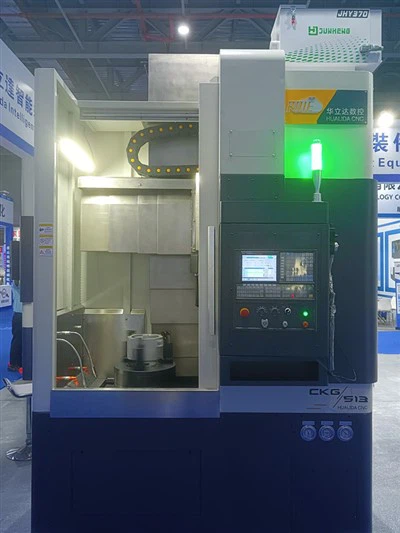
In the realm of precision manufacturing, CNC turning stands as a cornerstone process, enabling the creation of intricate and high - quality components with remarkable accuracy. As a seasoned CNC Turning and Milling supplier, I've witnessed firsthand the pivotal role that coolant plays in this sophisticated manufacturing technique. In this blog, we'll delve into the various functions of coolant in CNC turning, exploring how it enhances the process from multiple perspectives.
Temperature Regulation
One of the primary functions of coolant in CNC turning is temperature regulation. During the turning process, the cutting tool interacts with the workpiece at high speeds and pressures, generating a significant amount of heat. This heat can have detrimental effects on both the tool and the workpiece. Excessive heat can cause the cutting edge of the tool to soften, leading to rapid wear and a decrease in cutting performance. It can also result in thermal expansion of the workpiece, which may compromise the dimensional accuracy of the finished part.
Coolant acts as a heat sink, absorbing and carrying away the heat generated during cutting. By keeping the temperature in check, it helps to maintain the hardness and integrity of the cutting tool, extending its lifespan. This not only reduces the frequency of tool changes but also ensures consistent cutting performance over time. For example, in high - speed CNC turning operations, where the cutting speeds can reach several thousand revolutions per minute, the use of coolant is essential to prevent the tool from overheating and losing its cutting edge.
Lubrication
Another crucial role of coolant in CNC turning is lubrication. The cutting process involves friction between the cutting tool and the workpiece, which can cause wear on the tool and affect the surface finish of the workpiece. Coolant provides a lubricating film between the tool and the workpiece, reducing friction and minimizing tool wear.
This lubrication effect is particularly important when machining difficult - to - cut materials such as stainless steel, titanium, and nickel - based alloys. These materials tend to have high strength and toughness, which can increase the cutting forces and generate more heat. The lubricating properties of the coolant help to reduce the cutting forces, making the machining process more efficient and improving the surface quality of the finished part. For instance, when turning a stainless steel shaft, the coolant helps to prevent built - up edge formation on the cutting tool, resulting in a smoother surface finish and better dimensional accuracy.
Chip Management
Effective chip management is vital in CNC turning to ensure a smooth and efficient machining process. Chips generated during cutting can accumulate around the cutting tool, causing interference and potentially damaging the tool or the workpiece. Coolant plays a key role in chip management by flushing away the chips from the cutting zone.
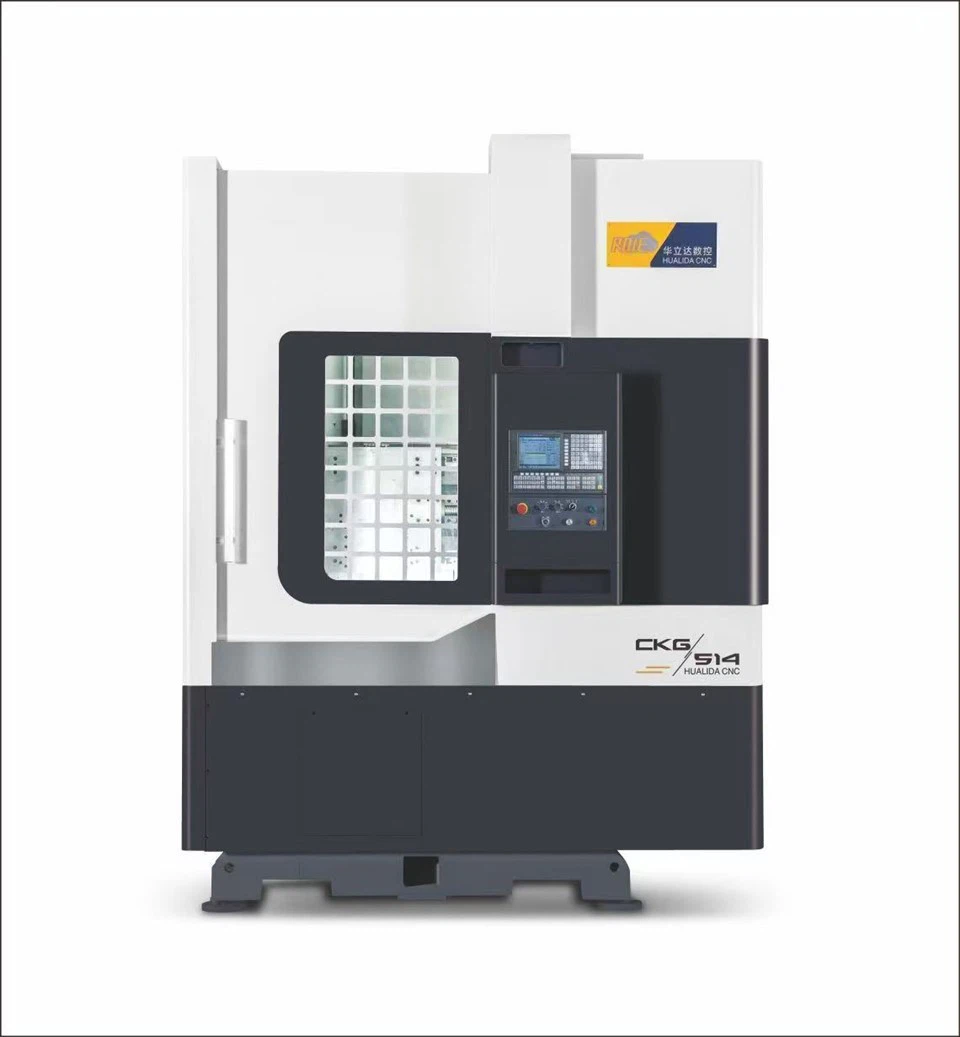

The flow of coolant helps to carry the chips away from the cutting area, preventing them from re - entering the cutting process and causing surface defects on the workpiece. Additionally, the coolant can break up long, stringy chips into smaller, more manageable pieces, reducing the risk of chip entanglement and improving the overall chip evacuation. This is especially important in deep - hole drilling and turning operations, where chip removal can be particularly challenging. By ensuring proper chip management, coolant helps to maintain the cutting performance and extend the life of the cutting tool.
Corrosion Prevention
In a CNC turning environment, both the workpiece and the machine components are exposed to various environmental factors that can lead to corrosion. Coolant can act as a corrosion inhibitor, protecting the metal surfaces from rust and other forms of corrosion.
Most coolants contain additives that form a protective film on the metal surfaces, preventing moisture and oxygen from coming into contact with the metal and causing corrosion. This is especially important for workpieces made of ferrous metals, which are prone to rusting. By using a coolant with good corrosion - prevention properties, manufacturers can ensure the long - term quality and integrity of the finished parts. Moreover, protecting the machine components from corrosion helps to maintain the accuracy and reliability of the CNC turning equipment.
Surface Finish Improvement
The quality of the surface finish is a critical aspect of CNC turning, especially for components that require a high level of precision and aesthetics. Coolant can significantly improve the surface finish of the workpiece by reducing the friction and heat generated during cutting.
As mentioned earlier, the lubricating properties of the coolant help to minimize tool wear and prevent built - up edge formation, resulting in a smoother surface finish. Additionally, the temperature - regulating effect of the coolant helps to reduce thermal distortion of the workpiece, further enhancing the surface quality. For example, in the production of precision medical components or aerospace parts, where a high - quality surface finish is essential, the proper use of coolant can make a significant difference in the final product quality.
Impact on Productivity and Cost - Effectiveness
The role of coolant in CNC turning has a direct impact on productivity and cost - effectiveness. By extending the tool life, improving chip management, and enhancing the surface finish, coolant helps to reduce downtime and increase the overall machining efficiency.
Longer tool life means fewer tool changes, which saves time and reduces the cost of tooling. Efficient chip management ensures a continuous and smooth machining process, minimizing the risk of machine breakdowns and production delays. Moreover, the improved surface finish reduces the need for secondary finishing operations, such as grinding or polishing, which can be time - consuming and expensive. As a result, the use of coolant in CNC turning can lead to significant cost savings and increased productivity for manufacturers.
Choosing the Right Coolant
As a CNC Turning and Milling supplier, I understand the importance of choosing the right coolant for each specific application. There are several factors to consider when selecting a coolant, including the type of workpiece material, the cutting operation, and the machining conditions.
For example, when machining aluminum, a coolant with good lubricating properties and low viscosity is often preferred to prevent chip adhesion and improve surface finish. On the other hand, when machining high - strength steels, a coolant with excellent cooling and anti - wear properties is necessary to handle the high cutting forces and heat generated. It's also important to consider the environmental impact of the coolant, as many modern coolants are designed to be more environmentally friendly.
In conclusion, coolant plays a multifaceted and indispensable role in CNC turning. From temperature regulation and lubrication to chip management and corrosion prevention, it affects every aspect of the machining process, ultimately influencing the quality, productivity, and cost - effectiveness of manufacturing operations. As a [Your Company's Position] at a leading [CNC Turning and Milling] supplier, I've seen how the proper use of coolant can transform a CNC turning process from good to great. If you're in the market for high - quality [CNC Turning and Milling Machine Tools] or need expert advice on coolant selection for your specific CNC turning applications, I encourage you to reach out. We're here to help you optimize your machining processes and achieve the best possible results. Whether you're interested in our [CNC Lathe and Milling Machine] or our comprehensive [CNC Turning and Milling] services, don't hesitate to contact us for a detailed discussion and procurement negotiation.
References
- Kalpakjian, S., & Schmid, S. R. (2009). Manufacturing Engineering and Technology. Pearson Prentice Hall.
- Trent, E. M., & Wright, P. K. (2000). Metal Cutting. Butterworth - Heinemann.
- Stephenson, D. A., & Agapiou, J. S. (2006). Metal Machining: Theory and Applications. CRC Press.