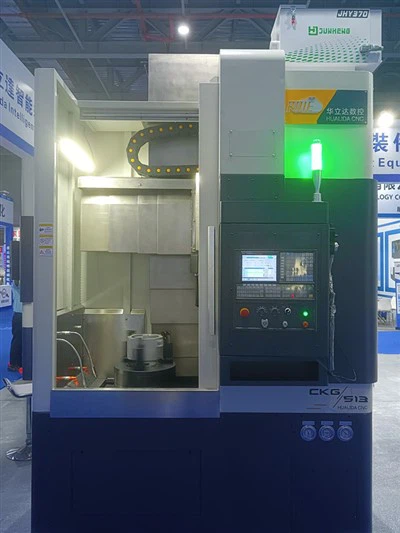
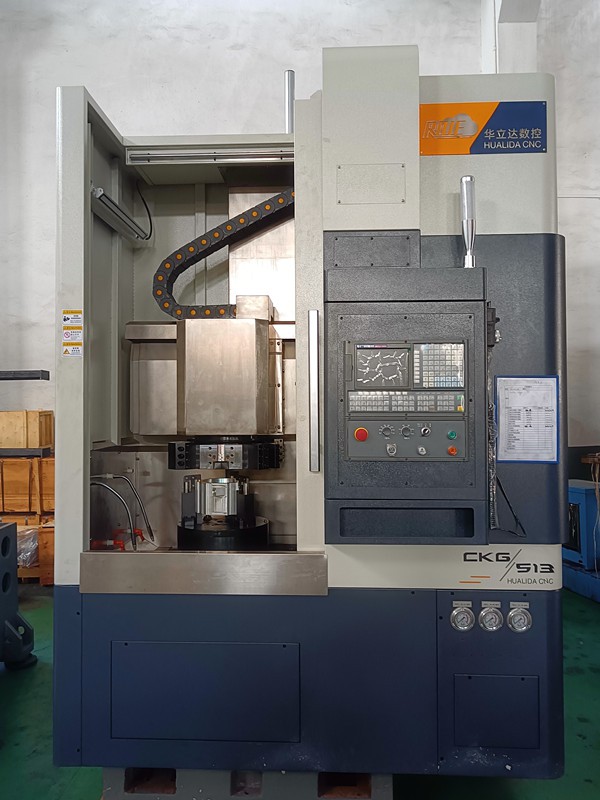
As a supplier of Hard Rail Vertical Lathes, I am often asked about the tool clamping methods used in these machines. Tool clamping is a critical aspect of any machining operation, as it directly affects the precision, efficiency, and safety of the process. In this blog post, I will delve into the various tool clamping methods employed in Hard Rail Vertical Lathes, their advantages, and considerations for optimal use.
Understanding the Importance of Tool Clamping
Before we explore the specific clamping methods, it's essential to understand why proper tool clamping is so crucial. In a Hard Rail Vertical Lathe, the tool is subjected to significant forces during the cutting process. These forces can cause the tool to vibrate, shift, or even break if not securely clamped. A poorly clamped tool can lead to inaccurate machining, reduced tool life, and potential damage to the workpiece or the machine itself. Therefore, choosing the right tool clamping method is vital for achieving high-quality results and ensuring the longevity of the equipment.
Common Tool Clamping Methods in Hard Rail Vertical Lathes
1. Collet Chucks
Collet chucks are one of the most widely used tool clamping methods in Hard Rail Vertical Lathes. They consist of a collet, which is a tapered sleeve that grips the tool, and a nut or a drawbar that tightens the collet around the tool. Collet chucks offer several advantages, including high concentricity, excellent gripping force, and quick tool change capabilities. They are particularly suitable for small to medium-sized tools and are commonly used in precision machining applications.
The high concentricity of collet chucks ensures that the tool is centered accurately in the spindle, minimizing runout and improving the surface finish of the workpiece. The gripping force of the collet is evenly distributed around the tool, reducing the risk of tool slippage during cutting. Additionally, collet chucks can be easily adjusted to accommodate different tool diameters, making them a versatile choice for a variety of machining tasks.
However, collet chucks also have some limitations. They are typically designed for specific tool diameters and may require different collets for different tool sizes. This can increase the cost and complexity of tool management. Moreover, collet chucks may not be suitable for very large or heavy tools, as they may not provide sufficient gripping force.
2. End Mill Holders
End mill holders are another popular tool clamping method in Hard Rail Vertical Lathes, especially for milling operations. They are designed to hold end mills securely in place and provide a stable platform for cutting. End mill holders typically feature a cylindrical body with a threaded hole or a collet for tool mounting. The tool is inserted into the holder and tightened using a set screw or a collet nut.
One of the main advantages of end mill holders is their ability to provide high torque transmission, which is essential for heavy-duty milling operations. They also offer good rigidity and stability, reducing the risk of tool deflection and improving the accuracy of the machining process. End mill holders are available in a variety of sizes and configurations to accommodate different end mill diameters and lengths.
However, end mill holders may require more time and effort to change tools compared to collet chucks. They also have a limited range of tool diameters that they can accommodate, which may require multiple holders for different tool sizes. Additionally, end mill holders may not be as precise as collet chucks in terms of concentricity, which can affect the surface finish of the workpiece.
3. Tool Posts
Tool posts are a traditional tool clamping method that is still widely used in Hard Rail Vertical Lathes, especially for turning operations. They consist of a base that is mounted on the tool slide and a tool holder that is attached to the base. The tool is inserted into the tool holder and secured using a set screw or a clamp.
Tool posts offer several advantages, including simplicity, versatility, and low cost. They can be easily adjusted to position the tool at different angles and heights, allowing for a wide range of machining operations. Tool posts are also suitable for a variety of tool shapes and sizes, making them a popular choice for general-purpose machining.

However, tool posts may not provide the same level of precision and stability as collet chucks or end mill holders. They are more prone to tool vibration and deflection, which can affect the quality of the machining results. Additionally, tool posts may require more skill and experience to set up and adjust correctly, which can increase the learning curve for operators.
4. Hydraulic Tool Holders
Hydraulic tool holders are a relatively new tool clamping method that is gaining popularity in Hard Rail Vertical Lathes. They use hydraulic pressure to grip the tool securely and provide a high level of precision and stability. Hydraulic tool holders consist of a hydraulic chamber, a piston, and a collet or a sleeve that grips the tool. When hydraulic pressure is applied to the chamber, the piston moves, causing the collet or the sleeve to tighten around the tool.
Hydraulic tool holders offer several advantages, including excellent concentricity, high gripping force, and vibration damping capabilities. They are particularly suitable for high-speed machining applications, as they can reduce the risk of tool chatter and improve the surface finish of the workpiece. Hydraulic tool holders also have a long service life and require minimal maintenance.
However, hydraulic tool holders are more expensive than other tool clamping methods and may require additional equipment, such as a hydraulic pump, to operate. They are also more complex to install and maintain, which can increase the cost and time required for setup. Additionally, hydraulic tool holders may not be suitable for all types of tools, as they may require specific tool geometries to work effectively.
Considerations for Choosing the Right Tool Clamping Method
When choosing a tool clamping method for a Hard Rail Vertical Lathe, several factors need to be considered. These include the type of machining operation, the size and shape of the tool, the required precision and surface finish, the production volume, and the cost.
- Type of Machining Operation: Different machining operations require different tool clamping methods. For example, turning operations typically require a tool clamping method that provides high stability and rigidity, such as a tool post or an end mill holder. Milling operations, on the other hand, may require a tool clamping method that provides high torque transmission and quick tool change capabilities, such as a collet chuck or a hydraulic tool holder.
- Size and Shape of the Tool: The size and shape of the tool also play a crucial role in determining the appropriate tool clamping method. Small to medium-sized tools can be effectively clamped using collet chucks or end mill holders, while large or heavy tools may require a more robust clamping method, such as a hydraulic tool holder or a custom-designed tool holder.
- Required Precision and Surface Finish: The required precision and surface finish of the machining operation also influence the choice of tool clamping method. For high-precision machining applications, a tool clamping method that provides excellent concentricity and low runout, such as a collet chuck or a hydraulic tool holder, is preferred. For applications where surface finish is critical, a tool clamping method that can reduce tool vibration and chatter, such as a hydraulic tool holder, may be more suitable.
- Production Volume: The production volume is another important consideration when choosing a tool clamping method. For high-volume production, a tool clamping method that provides quick tool change capabilities, such as a collet chuck or a hydraulic tool holder, can significantly improve productivity. For low-volume production or prototype machining, a more versatile and cost-effective tool clamping method, such as a tool post or an end mill holder, may be more appropriate.
- Cost: The cost of the tool clamping method is also a significant factor to consider. Collet chucks and tool posts are generally the most cost-effective options, while hydraulic tool holders are the most expensive. When evaluating the cost, it's important to consider not only the initial purchase price but also the cost of maintenance, tooling, and setup.
Conclusion
In conclusion, tool clamping is a critical aspect of any machining operation, and choosing the right tool clamping method is essential for achieving high-quality results and ensuring the longevity of the equipment. In a Hard Rail Vertical Lathe, several tool clamping methods are available, each with its own advantages and limitations. Collet chucks, end mill holders, tool posts, and hydraulic tool holders are some of the most commonly used tool clamping methods, and the choice depends on various factors, such as the type of machining operation, the size and shape of the tool, the required precision and surface finish, the production volume, and the cost.
As a supplier of Hard Rail Vertical Lathes, we understand the importance of providing our customers with the right tool clamping solutions. We offer a wide range of tool clamping options to meet the diverse needs of our customers, and our experienced technical team can provide expert advice and support to help you choose the most suitable tool clamping method for your application. If you are interested in learning more about our Hard Rail Vertical Lathes or our tool clamping solutions, please contact us for more information. We look forward to working with you to achieve your machining goals.
References
- ASME B5.54 - 2005, "Performance Evaluation of Computer Numerically Controlled Machining Centers."
- ISO 16084 - 2015, "Tool Clamping Devices for Machining Centers - Interface Dimensions."
- Klocke, F., & Eisenblätter, G. (2006). "Fundamentals of Machining and Machine Tools." Springer.