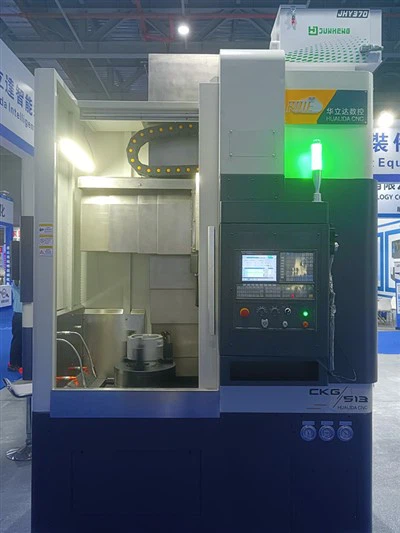
As a supplier of Vertical CNC Lathes, I often get asked about the types of materials these machines can handle. Well, let me tell you, the versatility of a Vertical CNC Lathe is pretty impressive. In this blog post, I'll break down the different materials that can be processed by these amazing machines.
Metals
Metals are probably the most common materials processed by vertical CNC lathes. The high precision and power of these machines make them ideal for working with a wide range of metallic substances.
Steel
Steel is one of the most popular materials in the manufacturing industry, and vertical CNC lathes can handle it like a pro. Whether it's mild steel, stainless steel, or high - strength alloy steel, these machines can cut, shape, and finish steel components with great accuracy. For example, in the automotive industry, vertical CNC lathes are used to produce engine parts made of steel, such as crankshafts and camshafts. The ability to perform heavy - duty cutting on steel is a key feature of Large Cutting Vertical Lathe models, which can handle large - scale steel workpieces.
Aluminum
Aluminum is another widely used metal, known for its lightweight and corrosion - resistant properties. Vertical CNC lathes can process aluminum with high speed and efficiency. The relatively soft nature of aluminum allows for faster cutting speeds compared to steel, which means higher productivity. In the aerospace industry, aluminum components like aircraft engine casings and structural parts are often machined using vertical CNC lathes. The precision of these machines ensures that the finished aluminum parts meet the strict quality standards required in aerospace applications.
Brass and Copper
Brass and copper are valued for their excellent electrical conductivity and aesthetic appeal. Vertical CNC lathes can create intricate designs on brass and copper workpieces, making them suitable for applications in the electrical and decorative industries. For instance, electrical connectors made of brass or copper can be precisely machined using these lathes. The smooth surface finish that can be achieved on brass and copper parts adds to their functionality and visual appeal.
Titanium
Titanium is a high - strength, low - density metal that is commonly used in the aerospace, medical, and automotive industries. Although titanium is more difficult to machine compared to other metals due to its high strength and low thermal conductivity, vertical CNC lathes, especially Heavy Cutting and Vertical Lathe models, are capable of handling titanium workpieces. These machines can perform deep cuts and achieve the required precision for titanium components such as aircraft landing gear parts and medical implants.
Plastics
Plastics have become increasingly important in modern manufacturing, and vertical CNC lathes can process a variety of plastic materials.
Acrylic
Acrylic is a transparent plastic known for its optical clarity and scratch - resistance. Vertical CNC lathes can cut and shape acrylic sheets to create products such as display cases, signage, and optical lenses. The ability to achieve smooth edges and precise dimensions on acrylic parts is crucial for these applications.
Nylon
Nylon is a strong and flexible plastic that is used in a wide range of applications, from mechanical parts to consumer products. Vertical CNC lathes can machine nylon to produce gears, bushings, and other components. The self - lubricating properties of nylon make it suitable for applications where low friction is required.
Polycarbonate
Polycarbonate is a tough and impact - resistant plastic. It is commonly used in the automotive, electronics, and construction industries. Vertical CNC lathes can process polycarbonate to create parts such as automotive headlight lenses, electronic enclosures, and architectural glazing. The precision machining of polycarbonate ensures that the finished parts meet the required specifications for strength and clarity.
Composites
Composites are materials made up of two or more different substances, typically a matrix and a reinforcement. Vertical CNC lathes can process some types of composites.
Carbon Fiber Reinforced Polymer (CFRP)
CFRP is a lightweight and high - strength composite material that is widely used in the aerospace and automotive industries. Vertical CNC lathes can machine CFRP to create components such as aircraft wings and automotive body panels. However, machining CFRP requires special tooling and techniques to prevent delamination and fiber pull - out.
Glass Fiber Reinforced Polymer (GFRP)
GFRP is another common composite material, known for its good mechanical properties and relatively low cost. Vertical CNC lathes can be used to machine GFRP parts for applications in the marine, construction, and electrical industries. The ability to cut and shape GFRP with precision allows for the production of custom - made components.
Ceramics
Ceramics are known for their high hardness, wear - resistance, and thermal stability. Although ceramics are difficult to machine, vertical CNC lathes can be used to process certain types of ceramics.


Alumina Ceramics
Alumina ceramics are widely used in the electronics, automotive, and aerospace industries due to their excellent electrical insulation and mechanical properties. Vertical CNC lathes can machine alumina ceramics to create parts such as electrical insulators and engine components. Specialized cutting tools and slow cutting speeds are required to machine alumina ceramics without causing cracks or chipping.
Zirconia Ceramics
Zirconia ceramics have high strength and toughness, as well as good biocompatibility. They are used in dental implants, cutting tools, and aerospace applications. Vertical CNC lathes can be used to machine zirconia ceramics to achieve the required precision for these applications.
In conclusion, the vertical CNC lathes we supply are capable of processing a wide variety of materials, including metals, plastics, composites, and ceramics. The versatility of these machines makes them a valuable asset in many industries. If you're in the market for a vertical CNC lathe or have specific machining needs for any of the materials mentioned above, I encourage you to get in touch with us for a detailed discussion and to explore how our machines can meet your requirements. We're here to help you find the right solution for your manufacturing needs.
References
- "Machining of Engineering Materials" by Stephenson and Agapiou
- "Handbook of Manufacturing Engineering and Technology" by Myer Kutz