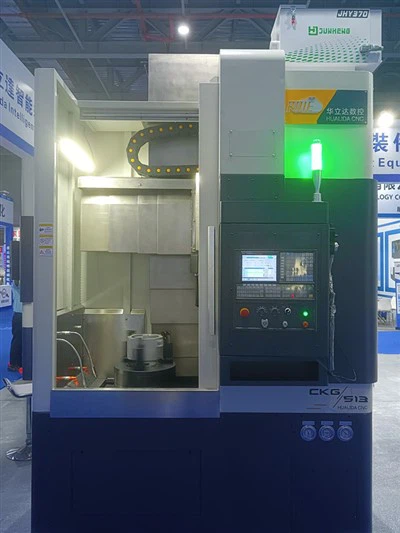
In the manufacturing world, CNC (Computer Numerical Control) turning and milling machines are like the unsung heroes, quietly but powerfully driving the production of countless components. As a supplier of CNC turning and milling machines, I've witnessed firsthand the diverse industries that rely on these precision tools. In this blog, we'll explore which industries have the highest demand for CNC turning and milling machines and why.
Automotive Industry
The automotive industry is one of the largest consumers of CNC turning and milling machines. With the constant demand for high - quality, precisely engineered parts, these machines play a crucial role in the production process.
Engine Components
Engines are the heart of any vehicle, and they require a multitude of components with tight tolerances. Pistons, crankshafts, and camshafts are just a few examples. CNC turning machines are used to create the cylindrical shapes of pistons with extreme precision, ensuring a perfect fit within the engine cylinders. Milling machines, on the other hand, are employed to create complex shapes and features on crankshafts and camshafts, such as the lobes and keyways. The use of CNC Turning and Milling Machine Tools allows for the production of these components with high repeatability, which is essential for the reliability and performance of automotive engines.
Transmission Parts
Transmissions also rely heavily on CNC machining. Gears, shafts, and housings are all produced using CNC turning and milling processes. Gears, in particular, require precise tooth profiles to ensure smooth power transfer and efficient operation. CNC machines can create these complex geometries with high accuracy, reducing noise and vibration in the transmission system. For more information on the CNC processes involved in automotive part manufacturing, you can visit CNC Turning and Milling.
Aerospace Industry
The aerospace industry has extremely high standards for precision and quality, making CNC turning and milling machines indispensable.
Aircraft Engine Parts
Aircraft engines operate under extreme conditions, and every component must be flawlessly manufactured. Turbine blades, for example, are critical parts that require intricate designs and precise dimensions. CNC milling machines are used to shape the complex airfoil profiles of turbine blades, which are essential for efficient engine performance. Additionally, CNC turning is used to create the shafts and other cylindrical components of the engine. The use of advanced CNC Lathe and Milling Machine technologies ensures that these parts can withstand the high temperatures, pressures, and stresses encountered during flight.
Structural Components
In addition to engine parts, aerospace structures also rely on CNC machining. Components such as wing spars, fuselage frames, and landing gear parts are all produced using CNC turning and milling processes. These parts need to be lightweight yet strong, and CNC machines can create complex shapes and thin - walled structures with high precision, helping to reduce the overall weight of the aircraft without sacrificing strength.


Medical Industry
The medical industry demands high - precision components for a variety of applications, and CNC turning and milling machines are well - suited to meet these requirements.
Surgical Instruments
Surgical instruments need to be extremely precise and reliable. Scalpels, forceps, and needles are just a few examples of medical instruments that are often produced using CNC machining. CNC turning can create the sharp and precise tips of needles, while milling machines can be used to shape the handles and other complex parts of surgical instruments. The use of CNC technology ensures that these instruments are of the highest quality, which is crucial for patient safety during surgical procedures.
Implants
Dental implants, hip implants, and other medical implants are also manufactured using CNC turning and milling processes. These implants need to be customized to fit each patient's unique anatomy, and CNC machines can produce parts with high accuracy based on digital models. The smooth surfaces and precise dimensions of implants produced by CNC machining help to ensure a better fit and reduce the risk of complications after implantation.
Electronics Industry
In the electronics industry, where miniaturization and high - precision manufacturing are key, CNC turning and milling machines are widely used.
Printed Circuit Board (PCB) Manufacturing
Although PCB manufacturing is often associated with etching and plating processes, CNC machining also plays an important role. CNC milling machines can be used to create the slots, holes, and cutouts in PCBs with high precision. This is especially important for high - density PCBs, where the spacing between components is very small. Additionally, CNC turning can be used to produce some of the metal components used in electronic devices, such as connectors and heat sinks.
Enclosures and Housings
Electronic devices need protective enclosures and housings, and CNC machining can produce these parts with high precision. The smooth surfaces and accurate dimensions of enclosures produced by CNC turning and milling machines ensure a proper fit for the internal components and provide an aesthetically pleasing appearance.
Defense Industry
The defense industry requires components that are not only precise but also durable and reliable. CNC turning and milling machines are used to produce a wide range of defense - related products.
Weapon Systems
Firearms, missiles, and other weapon systems rely on CNC machining for the production of critical components. Barrels, triggers, and missile guidance components are all manufactured using CNC turning and milling processes. The high precision of CNC machining ensures the accuracy and reliability of these weapon systems, which are essential for national security.
Military Vehicles
Military vehicles, such as tanks and armored personnel carriers, also use CNC - machined components. Engine parts, transmission components, and structural parts of military vehicles are all produced with the help of CNC turning and milling machines. These machines can create parts that can withstand the harsh environments and extreme conditions faced by military vehicles.
Why Choose Our CNC Turning and Milling Machines
As a supplier of CNC turning and milling machines, we understand the unique requirements of each industry. Our machines are equipped with the latest technology and features to ensure high precision, efficiency, and reliability.
High - Precision Machining
Our CNC Lathe and Milling Machine are designed to achieve extremely tight tolerances, which is crucial for industries such as aerospace and medical. With advanced control systems and high - quality cutting tools, we can produce components with the accuracy required by these demanding industries.
Flexibility and Customization
We offer a range of machines that can be customized to meet the specific needs of different customers. Whether you need a machine for small - batch production or high - volume manufacturing, we can provide a solution that fits your requirements. Our team of experts can also work with you to develop custom machining processes and tooling solutions.
After - Sales Support
We provide comprehensive after - sales support, including installation, training, maintenance, and repair services. Our goal is to ensure that your CNC turning and milling machines operate at peak performance throughout their lifespan.
If you are in need of CNC turning and milling machines for your industry, we invite you to contact us for a detailed discussion. Our experienced sales team can provide you with more information about our products and help you choose the right machine for your specific needs. Let's work together to take your manufacturing processes to the next level.
References
- "Automotive Manufacturing Technology" by John T. Black
- "Aerospace Manufacturing Processes" by Peter T. Mathews
- "Medical Device Manufacturing: A Practical Guide" by David W. Gloekler
- "Electronics Manufacturing Technology" by Ronald C. Dorf
- "Defense Manufacturing: Technologies and Processes" by George E. Dieter