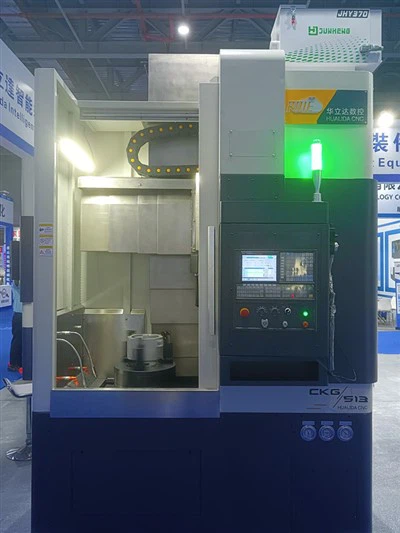
As a supplier of Heavy Vertical Lathes, I've witnessed firsthand the critical role that coolant temperature plays in the processing quality of these powerful machines. In this blog, I'll delve into the various ways in which coolant temperature can influence the performance and precision of heavy vertical lathes, and why it's essential for manufacturers to pay close attention to this often-overlooked factor.
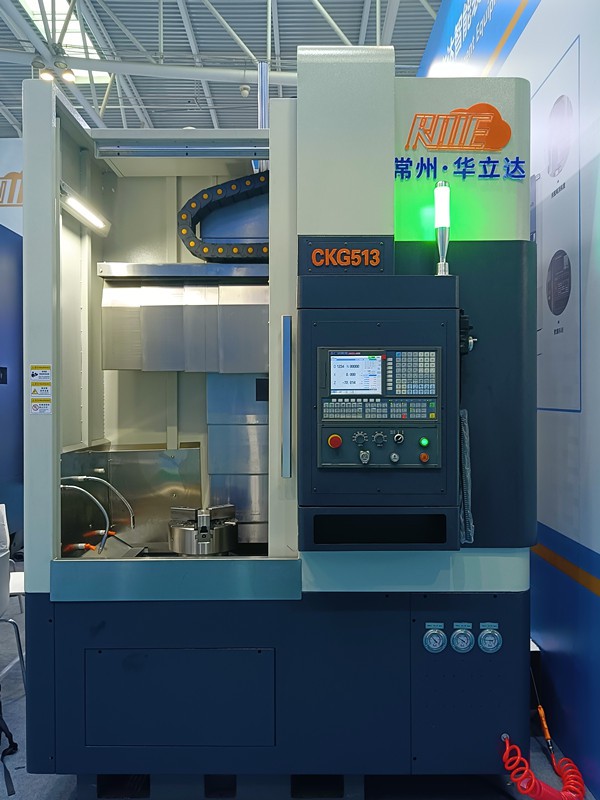
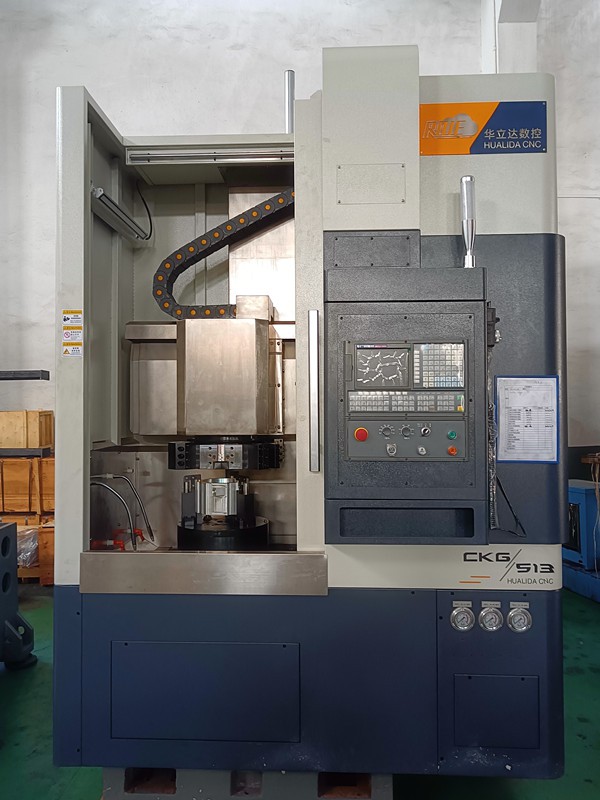
The Basics of Coolant in Heavy Vertical Lathes
Before we explore the impact of coolant temperature, let's first understand the primary functions of coolant in a heavy vertical lathe. Coolant serves several crucial purposes during the machining process. Firstly, it helps to dissipate the heat generated by the cutting tool and the workpiece. As the cutting tool interacts with the material, a significant amount of heat is produced due to friction. If this heat is not properly managed, it can lead to thermal expansion of the tool and the workpiece, which in turn can affect the dimensional accuracy of the finished product.
Secondly, coolant acts as a lubricant, reducing the friction between the cutting tool and the workpiece. This not only extends the life of the cutting tool but also improves the surface finish of the machined part. Additionally, coolant helps to flush away chips and debris from the cutting area, preventing them from interfering with the cutting process and potentially causing damage to the tool or the workpiece.
The Influence of Coolant Temperature on Tool Life
One of the most significant ways in which coolant temperature affects the processing quality of a heavy vertical lathe is through its impact on tool life. When the coolant temperature is too high, it can cause the cutting tool to wear out more quickly. High temperatures can lead to thermal softening of the tool material, reducing its hardness and cutting ability. This can result in increased tool wear, chipping, and even premature tool failure.
On the other hand, if the coolant temperature is too low, it can cause the coolant to become more viscous, reducing its ability to flow freely and effectively lubricate the cutting tool. This can also lead to increased friction and wear on the tool, as well as poor chip evacuation. Therefore, maintaining an optimal coolant temperature is crucial for maximizing tool life and ensuring consistent cutting performance.
The Effect of Coolant Temperature on Dimensional Accuracy
Another important aspect of processing quality is dimensional accuracy. As mentioned earlier, heat generated during the cutting process can cause thermal expansion of the tool and the workpiece. If the coolant temperature is not properly controlled, this thermal expansion can lead to dimensional errors in the finished part.
For example, if the coolant temperature is too high, the workpiece may expand more than expected, resulting in larger-than-desired dimensions. Conversely, if the coolant temperature is too low, the workpiece may contract, leading to smaller dimensions. These dimensional errors can be particularly problematic in applications where tight tolerances are required, such as in the aerospace or automotive industries.
To ensure dimensional accuracy, it's essential to maintain a stable coolant temperature throughout the machining process. This can be achieved through the use of a coolant temperature control system, which can monitor and adjust the coolant temperature as needed.
The Impact of Coolant Temperature on Surface Finish
The surface finish of a machined part is another critical factor in determining its quality. A smooth surface finish is often required for functional and aesthetic reasons, and the coolant temperature can have a significant impact on achieving this.
When the coolant temperature is too high, it can cause the chips to adhere to the cutting tool and the workpiece, resulting in a rough surface finish. High temperatures can also lead to the formation of built-up edge on the cutting tool, which can further degrade the surface quality. On the other hand, if the coolant temperature is too low, it can cause the coolant to freeze or form ice crystals, which can also damage the surface finish.
By maintaining an optimal coolant temperature, manufacturers can ensure that the chips are effectively flushed away from the cutting area, and the cutting tool remains sharp and clean. This can result in a smoother surface finish and improved overall part quality.
The Role of Coolant Temperature in Chip Evacuation
Proper chip evacuation is essential for a smooth and efficient machining process. If chips are not effectively removed from the cutting area, they can accumulate and interfere with the cutting tool, leading to poor cutting performance, increased tool wear, and even damage to the workpiece.
The coolant temperature can have a significant impact on chip evacuation. When the coolant temperature is too high, the chips can become more brittle and break into smaller pieces, which can be more difficult to flush away. Additionally, high temperatures can cause the coolant to evaporate more quickly, reducing its ability to carry the chips away from the cutting area.
Conversely, if the coolant temperature is too low, the coolant can become more viscous, making it more difficult for the chips to be carried away. Maintaining an optimal coolant temperature is crucial for ensuring proper chip evacuation and preventing chip-related issues.
Maintaining Optimal Coolant Temperature
To ensure the best processing quality, it's important to maintain an optimal coolant temperature in a heavy vertical lathe. This can be achieved through the use of a coolant temperature control system, which can monitor and adjust the coolant temperature as needed.
There are several types of coolant temperature control systems available, including chiller units, heat exchangers, and temperature sensors. Chiller units are designed to cool the coolant to a specific temperature, while heat exchangers can transfer heat from the coolant to a secondary fluid, such as water or air. Temperature sensors can be used to monitor the coolant temperature and provide feedback to the control system, allowing it to make adjustments as necessary.
In addition to using a coolant temperature control system, it's also important to regularly monitor and maintain the coolant. This includes checking the coolant level, pH balance, and concentration, as well as replacing the coolant as needed. By taking these steps, manufacturers can ensure that the coolant is functioning properly and providing the best possible performance.
Conclusion
In conclusion, the coolant temperature plays a crucial role in the processing quality of a heavy vertical lathe. It can have a significant impact on tool life, dimensional accuracy, surface finish, and chip evacuation. By maintaining an optimal coolant temperature and using a coolant temperature control system, manufacturers can ensure that their heavy vertical lathes are operating at peak performance and producing high-quality parts.
If you're in the market for a Heavy Vertical Lathe, Hard Rail Vertical Lathe, or Heavy Cutting and Vertical Lathe, I encourage you to reach out to us to discuss your specific needs. Our team of experts can provide you with the information and support you need to make an informed decision and ensure that you get the best possible machine for your application.
References
- Boothroyd, G., & Knight, W. A. (2006). Fundamentals of machining and machine tools. CRC press.
- Kalpakjian, S., & Schmid, S. R. (2013). Manufacturing engineering and technology. Pearson.
- Trent, E. M., & Wright, P. K. (2000). Metal cutting. Butterworth-Heinemann.