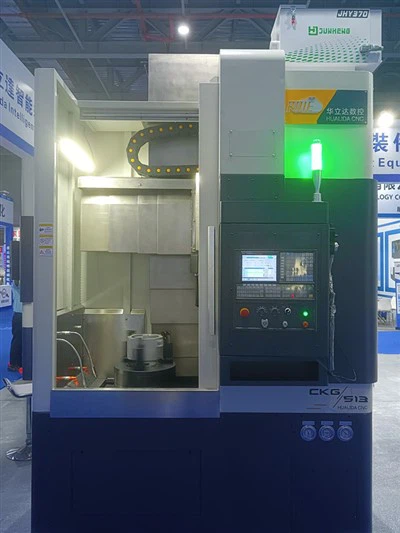
As a supplier of CNC Turning and Milling, I often get asked about the accuracy of CNC milling. In this blog post, I'll dive deep into what accuracy means in the context of CNC milling, the factors that affect it, and how we ensure high precision in our operations.
Understanding Accuracy in CNC Milling
Accuracy in CNC milling refers to the degree to which the final machined part conforms to the original design specifications. It is measured in terms of dimensional accuracy, geometric accuracy, and surface finish. Dimensional accuracy is about how closely the actual dimensions of the part match the intended dimensions. Geometric accuracy, on the other hand, pertains to the shape and orientation of features on the part, such as straightness, flatness, and perpendicularity. Surface finish is related to the smoothness of the machined surface.
In the world of manufacturing, even the slightest deviation from the design can lead to significant problems. For example, in the aerospace industry, a tiny error in the dimensions of a critical component can compromise the safety and performance of an aircraft. Therefore, achieving high accuracy in CNC milling is crucial for ensuring the quality and functionality of the final product.
Factors Affecting the Accuracy of CNC Milling
Machine Tool Quality
The quality of the CNC Turning and Milling Machine Tools plays a vital role in determining the accuracy of the milling process. High - quality machines are built with precision components and advanced control systems that can minimize errors. For instance, a well - calibrated spindle can rotate at a consistent speed, reducing vibrations and ensuring more accurate cuts. Additionally, machines with high - resolution encoders can provide more precise feedback to the control system, allowing for better control of the cutting tool's position.
Cutting Tools
The choice of cutting tools is another important factor. Different cutting tools have different levels of sharpness, wear resistance, and cutting performance. A dull or worn - out cutting tool can cause excessive cutting forces, which may lead to dimensional inaccuracies and poor surface finish. Moreover, the geometry of the cutting tool, such as the rake angle and the clearance angle, can affect the cutting process and the accuracy of the machined part. For example, a tool with an improper rake angle may cause the material to be deformed during cutting, resulting in dimensional errors.
Workpiece Material
The properties of the workpiece material, such as hardness, toughness, and thermal conductivity, can also impact the accuracy of CNC milling. Harder materials are more difficult to machine and may require higher cutting forces, which can cause tool wear and deflection. This, in turn, can lead to inaccuracies in the dimensions of the part. Materials with low thermal conductivity can cause heat to build up at the cutting zone, which may result in thermal expansion of the workpiece and the cutting tool, affecting the accuracy of the machining process.
Programming and Setup
The CNC program used to control the milling machine and the setup of the workpiece are critical for achieving high accuracy. A poorly written program may contain errors in the toolpath, feed rates, or spindle speeds, which can lead to incorrect machining. Additionally, improper setup of the workpiece, such as incorrect clamping or alignment, can cause the part to be machined out of tolerance. For example, if the workpiece is not properly aligned with the cutting tool, the dimensions of the machined features may deviate from the design specifications.
Environmental Conditions
Environmental factors, such as temperature, humidity, and vibration, can also have an impact on the accuracy of CNC milling. Temperature changes can cause the expansion or contraction of the machine components and the workpiece, leading to dimensional variations. High humidity can affect the performance of the cutting tools and the electrical components of the machine. Vibration from nearby machinery or the floor can cause the cutting tool to move erratically, resulting in poor surface finish and dimensional inaccuracies.
Ensuring High Accuracy in Our CNC Milling Operations
As a CNC Turning and Milling supplier, we take several measures to ensure high accuracy in our operations.

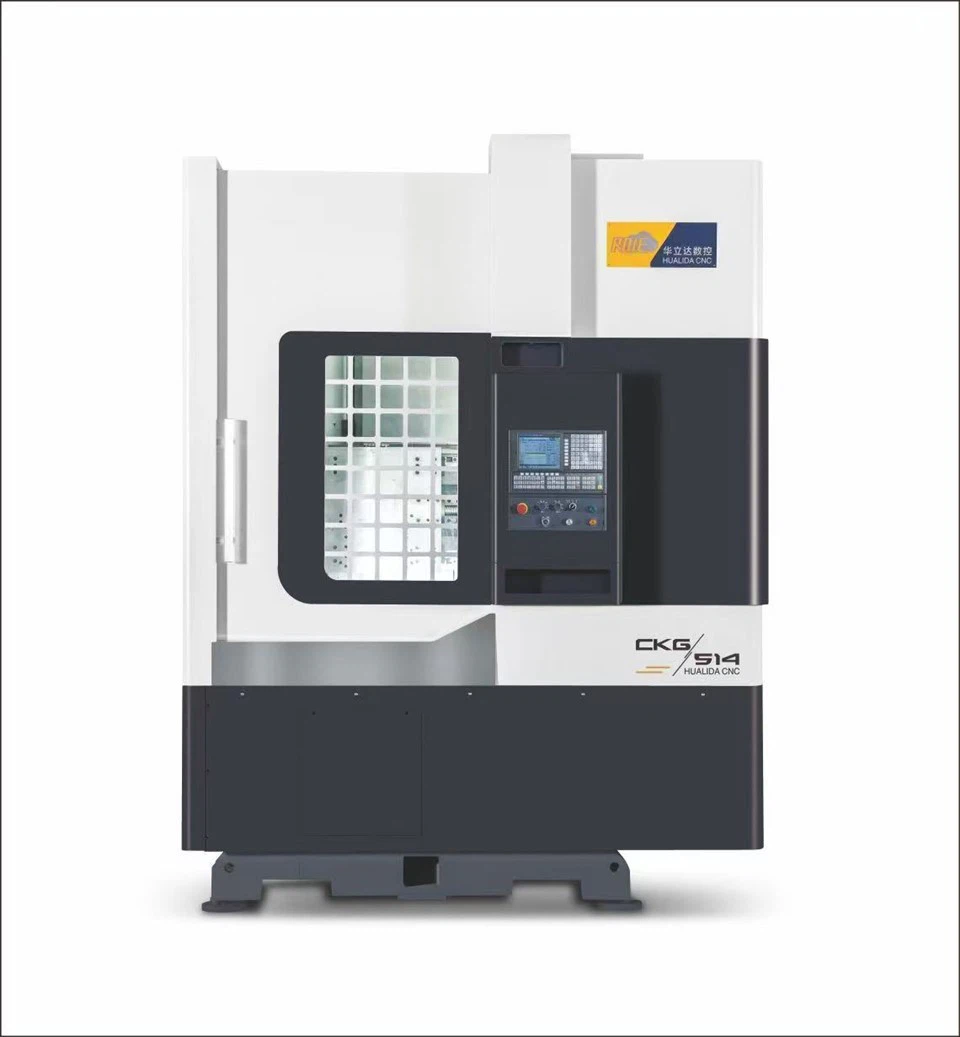
Machine Maintenance
We regularly maintain and calibrate our CNC Lathe and Milling Machine to ensure their optimal performance. This includes checking and adjusting the spindle alignment, the linear guides, and the ball screws. We also replace worn - out components in a timely manner to prevent any degradation in the machine's accuracy.
Tool Management
We carefully select the cutting tools based on the workpiece material and the machining requirements. We regularly inspect the cutting tools for wear and replace them when necessary. Additionally, we use tool presetting equipment to ensure that the cutting tools are set to the correct length and diameter, minimizing the setup time and improving the accuracy of the machining process.
Quality Control
We have a comprehensive quality control system in place to monitor the accuracy of the machined parts. We use advanced measuring equipment, such as coordinate measuring machines (CMMs), to measure the dimensions and geometric features of the parts. Our quality control technicians perform in - process inspections and final inspections to ensure that the parts meet the design specifications. If any deviations are detected, we take immediate corrective actions to improve the accuracy of the machining process.
Skilled Operators
Our operators are highly skilled and experienced in CNC milling. They are trained to understand the factors that affect the accuracy of the machining process and to take appropriate measures to ensure high precision. They are also responsible for programming the CNC machines, setting up the workpieces, and monitoring the machining process to ensure its smooth operation.
The Importance of Accuracy in Different Industries
Automotive Industry
In the automotive industry, accuracy is essential for the production of engine components, transmission parts, and suspension systems. High - precision machining ensures that these components fit together perfectly, reducing noise, vibration, and harshness (NVH) and improving the overall performance and reliability of the vehicle.
Medical Industry
In the medical field, CNC milling is used to produce surgical instruments, implants, and prosthetics. The accuracy of these components is critical for ensuring the safety and effectiveness of medical procedures. For example, a precisely machined implant needs to match the patient's anatomy exactly to ensure proper integration and functionality.
Electronics Industry
The electronics industry requires high - accuracy machining for the production of printed circuit boards (PCBs), connectors, and semiconductor components. Precise machining ensures the proper functioning of electronic devices, such as smartphones, laptops, and tablets, by ensuring the correct placement and alignment of components.
Conclusion
Accuracy is a fundamental aspect of CNC milling, and it is influenced by a variety of factors, including machine tool quality, cutting tools, workpiece material, programming and setup, and environmental conditions. As a CNC Turning and Milling supplier, we are committed to achieving the highest level of accuracy in our operations through machine maintenance, tool management, quality control, and the use of skilled operators.
If you are in need of high - precision CNC milling services, we invite you to contact us for a detailed discussion about your requirements. We have the expertise, equipment, and commitment to quality to meet your needs and deliver superior - quality machined parts.
References
- "CNC Machining Handbook" by Peter Smid
- "Modern Manufacturing Processes" by Mikell P. Groover
- "Metal Cutting Principles" by Paul Byers