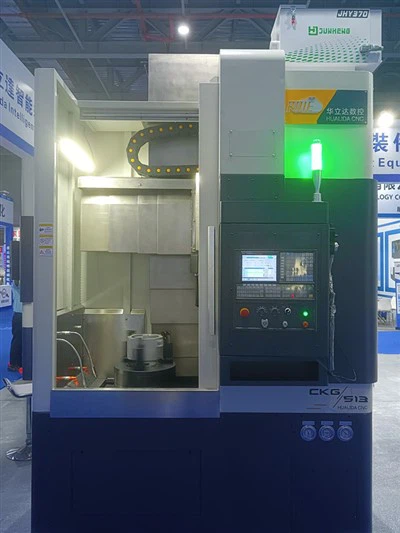
As a supplier of CNC Lathe and Milling Machine, I've witnessed firsthand the pivotal role that proper maintenance plays in the performance and longevity of these precision machines. In this blog, I'll delve into the maintenance requirements for a CNC lathe, sharing insights that can help you keep your equipment running smoothly and efficiently.
Regular Cleaning and Lubrication
One of the most fundamental maintenance tasks for a CNC lathe is regular cleaning. Chips, coolant, and debris can accumulate on the machine's surfaces, guides, and spindles, leading to increased friction, wear, and potential damage. To prevent this, it's essential to clean the lathe after each use.
Start by removing any loose chips and debris using a brush or compressed air. Pay special attention to hard-to-reach areas, such as the spindle nose, chuck jaws, and tool holders. Next, use a clean, lint-free cloth to wipe down the machine's surfaces, including the bed, headstock, and tailstock. For stubborn dirt and grime, you can use a mild cleaning solution recommended by the machine manufacturer.
In addition to cleaning, proper lubrication is crucial for the smooth operation of a CNC lathe. Lubricants reduce friction between moving parts, prevent wear and tear, and dissipate heat. Different parts of the lathe require different types of lubricants, so it's important to follow the manufacturer's recommendations.
The spindle, for example, typically requires a high-quality spindle oil. This oil should be changed at regular intervals, as specified in the machine's manual. The guideways and ball screws also need to be lubricated regularly using a suitable lubricant. Most CNC lathes are equipped with an automatic lubrication system that distributes lubricant to the necessary parts at predetermined intervals. However, it's still important to check the lubricant levels regularly and refill as needed.
Inspection and Calibration
Regular inspection and calibration are essential for maintaining the accuracy and precision of a CNC lathe. Over time, the machine's components can wear out or become misaligned, leading to dimensional inaccuracies in the parts being machined. By conducting regular inspections, you can identify and address potential issues before they cause significant problems.
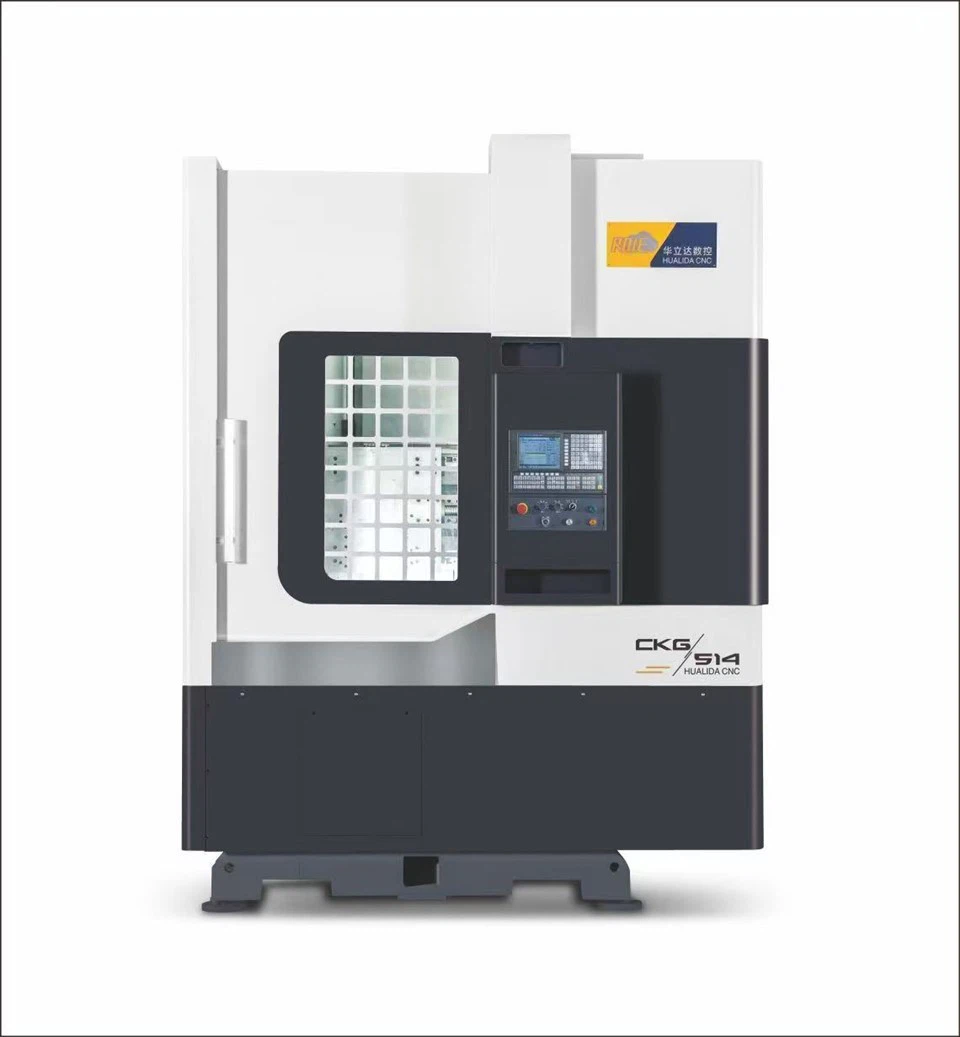

Inspect the machine's mechanical components, such as the belts, pulleys, and gears, for signs of wear, damage, or misalignment. Check the alignment of the headstock, tailstock, and tool post to ensure that they are properly positioned. The cutting tools should also be inspected regularly for wear and replaced when necessary.
Calibration is another critical aspect of CNC lathe maintenance. Calibration ensures that the machine's axes move accurately and that the cutting tools are positioned correctly. Most CNC lathes are equipped with built-in calibration functions that can be used to check and adjust the machine's accuracy. However, for more precise calibration, it may be necessary to use external measuring instruments, such as a laser interferometer or a ball bar.
Electrical and Control System Maintenance
The electrical and control systems of a CNC lathe are just as important as the mechanical components. These systems control the machine's operation, including the movement of the axes, the speed of the spindle, and the activation of the cutting tools. Any malfunction in the electrical or control system can lead to serious problems, such as machine downtime or inaccurate machining.
Regularly inspect the electrical wiring and connections for signs of damage, such as frayed wires or loose connections. Check the condition of the electrical components, such as the motors, drives, and controllers, and replace any faulty parts immediately. It's also important to keep the control panel clean and free of dust and debris, as this can cause electrical problems.
In addition to physical inspections, it's a good idea to perform regular software updates on the CNC lathe's control system. Software updates can improve the machine's performance, add new features, and fix any bugs or security vulnerabilities. Make sure to follow the manufacturer's instructions when performing software updates to avoid any potential issues.
Coolant System Maintenance
The coolant system of a CNC lathe plays a vital role in the machining process. Coolants help to reduce heat and friction during cutting, flush away chips and debris, and prevent corrosion of the cutting tools and workpiece. However, if the coolant system is not properly maintained, it can become a breeding ground for bacteria and fungi, which can contaminate the coolant and cause problems for the machine and the parts being machined.
Regularly check the coolant level in the reservoir and refill as needed. The coolant should also be filtered regularly to remove chips and debris. Most CNC lathes are equipped with a coolant filter that needs to be replaced at regular intervals. In addition, the coolant should be tested periodically to ensure that its concentration and pH level are within the recommended range.
If the coolant becomes contaminated or starts to smell bad, it should be drained and replaced immediately. When replacing the coolant, make sure to follow the manufacturer's instructions and use the recommended type of coolant.
Training and Operator Awareness
Proper maintenance of a CNC lathe also depends on the training and awareness of the operators. Operators should be trained on how to use the machine correctly, including how to perform basic maintenance tasks such as cleaning, lubrication, and inspection. They should also be aware of the importance of following the machine's operating and maintenance instructions.
Encourage operators to report any problems or abnormalities they notice during the operation of the CNC lathe. This can help to identify potential issues early on and prevent them from developing into more serious problems. Provide operators with the necessary tools and resources to perform their jobs safely and effectively, and make sure they have access to the machine's manual and other technical documentation.
Conclusion
Maintaining a CNC lathe is a complex and ongoing process that requires attention to detail and a commitment to following the manufacturer's recommendations. By implementing a regular maintenance schedule that includes cleaning, lubrication, inspection, calibration, electrical and control system maintenance, coolant system maintenance, and operator training, you can ensure that your CNC lathe operates at peak performance and lasts for many years.
If you're in the market for a high-quality CNC Lathe and Milling Machine, look no further. Our company offers a wide range of CNC Turning and Milling solutions, including state-of-the-art CNC Turning and Milling Machine Tools. Our machines are designed to meet the highest standards of quality and performance, and we provide comprehensive after-sales support to ensure that your investment is protected.
If you have any questions or would like to discuss your specific requirements, please don't hesitate to contact us. We're here to help you find the perfect CNC lathe and milling machine for your needs and provide you with the support and guidance you need to keep it running smoothly.
References
- "CNC Machine Tool Handbook" by Peter Gillespie
- Manufacturer's manuals for various CNC lathes